





Metal Candle Lamp
These metal candle lamp pieces bring sculptural illumination and period character into a room.
Metal Candle Lamp
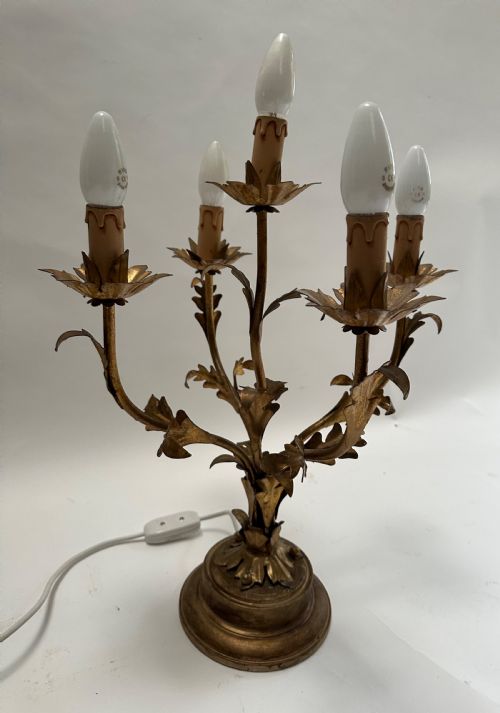
When you search for a metal candle lamp, you encounter items designed to hold candles or adapt to lighting, spanning from the Victorian era through the 1930s. The selection includes bouillotte desk lamps, wall sconces, standard lamps, and table lamps originating largely from France, alongside English and Dutch styles.
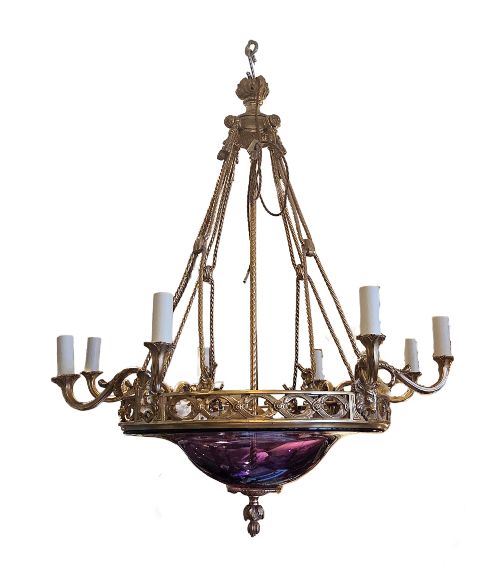
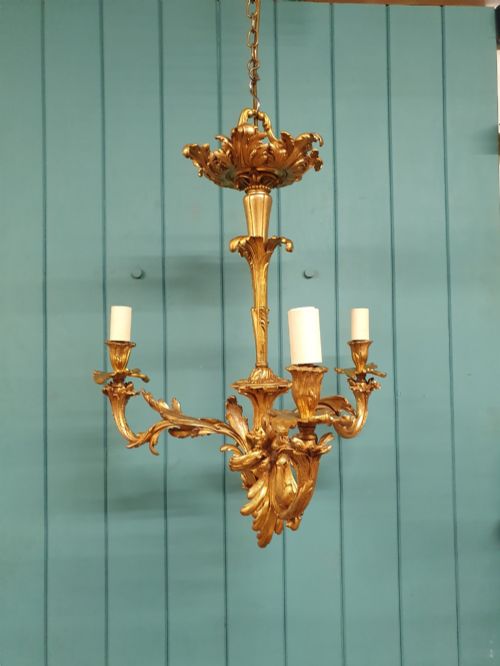
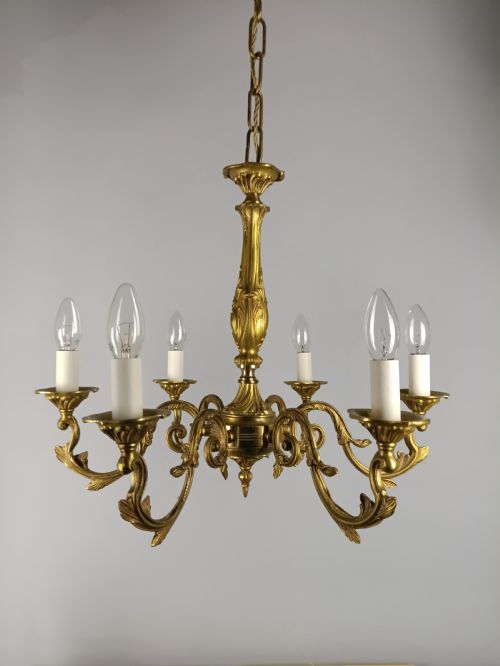
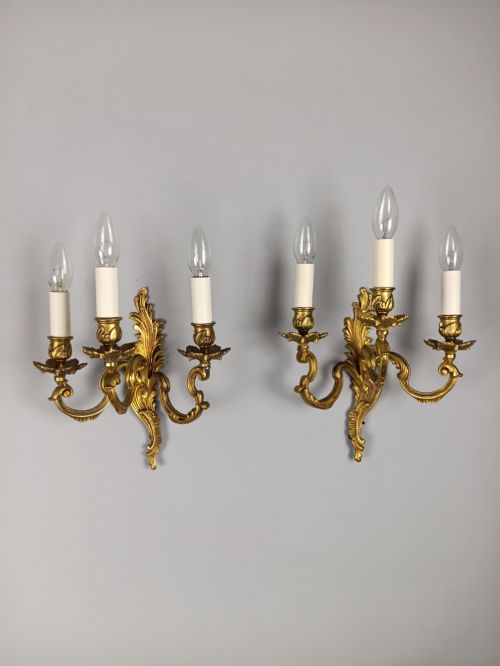
The most common iterations on this page combine brass, toleware, and gilt metal, often styled after French Chateau, Rococo, and Neoclassical traditions. These lighting fixtures function practically while serving as distinct decorative centerpieces for period interiors.
How they were made
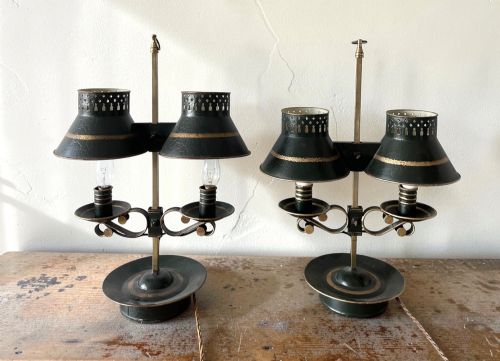
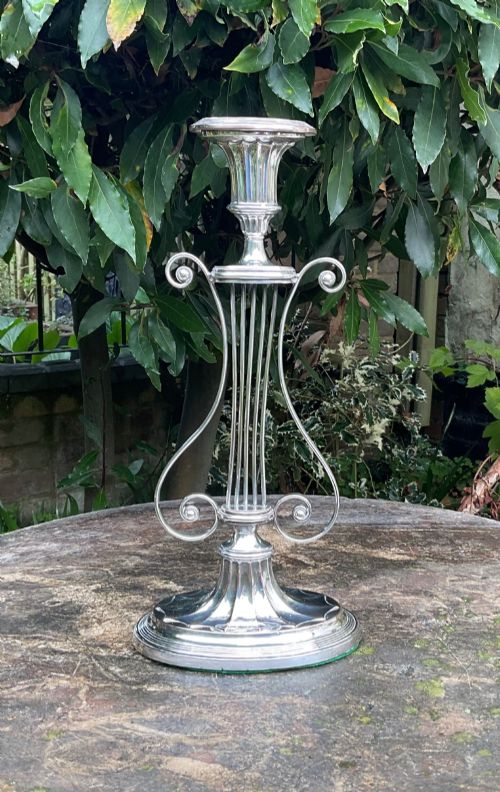
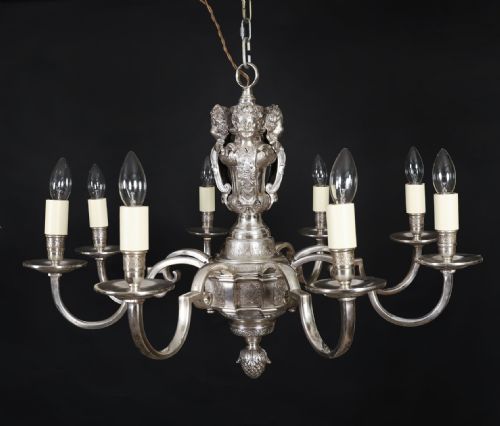
Construction relies heavily on metals such as brass, bronze, cast iron, and silver plate, shaped into solid frames, arms, and wall mounts. Painted and green toleware components frequently provide contrasting colour accents against polished or gilded metallic surfaces.
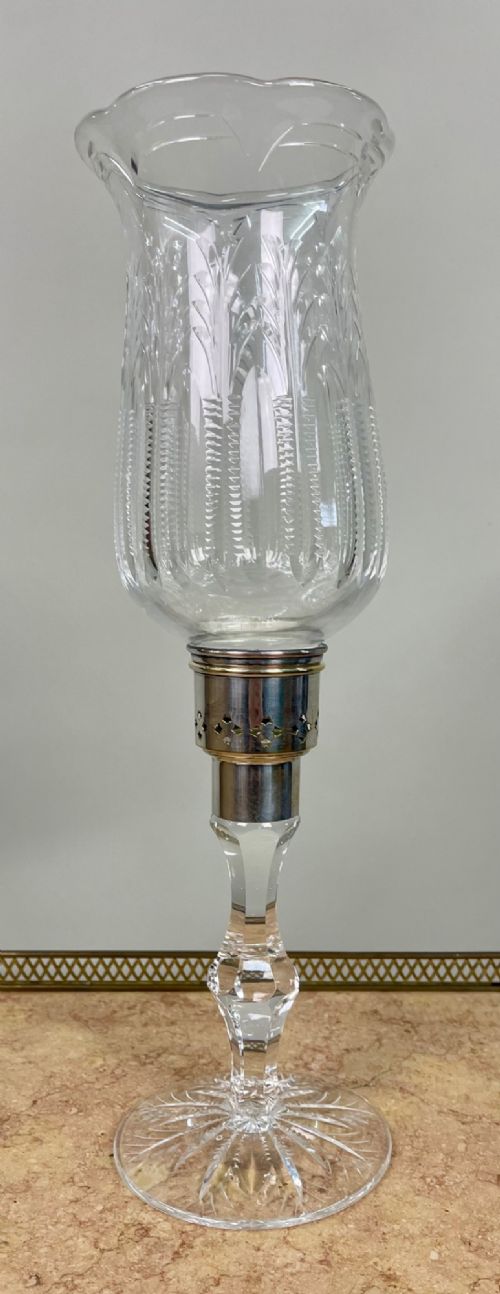
Techniques range from hand-gilding and bronze casting to nickel plating on travelling reading lamps and standard lamps. Crystal elements and cut glass occasionally supplement the primary metal structures to diffuse light.
Metal Candle Lamp Retail Price Guide 2026
Typical asking prices for metal candle lamp among the pieces listed under this phrase on Sellingantiques today, from the lower quarter to the upper quarter. They describe what is for sale here now, not the wider market.
Cherubs occasionally peek out from gilt metal wall sconces, watching over the room from the 1920s.
What varies in quality
The distinction between tiers rests upon the fineness of the metalwork, the weight of cast bronze or brass, and the delicacy of applied gilding. Pieces featuring hand-painted toleware shades and crisp, detailed casting display a superior level of craftsmanship.
Proportion and structural integrity also separate standard production from exceptional examples, particularly in multi-armed chandeliers and wall sconces where symmetry and secure joints matter.
Veritas Lamp Works
The Metal Candle Lamp Glossary
- Toleware
- Painted or lacquered sheet metalware, commonly seen in green or gold finishes on bouillotte lamps. This material offers both durability and rich colour contrast.
- Bouillotte lamp
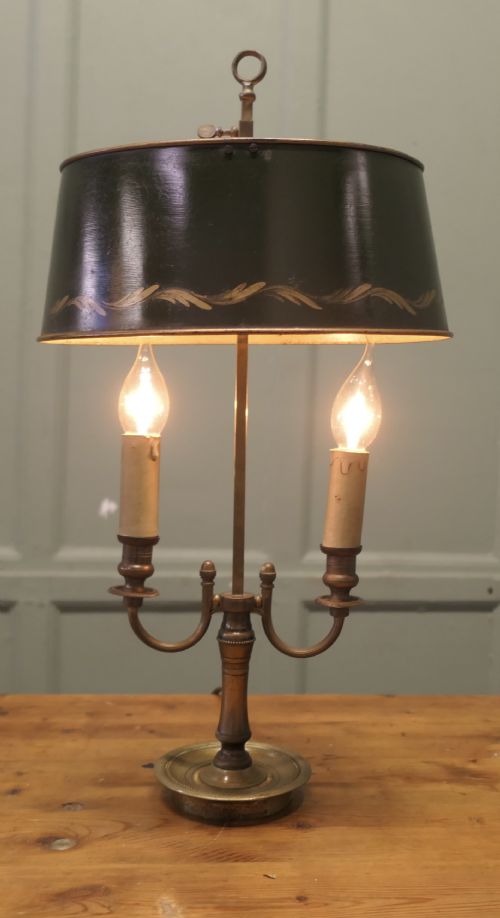
- An adjustable desk or table lamp featuring a central shade above a shallow tray base. These typically hold multiple candle arms.
- Gilt metal
- Metal coated with a thin layer of gold or gold-coloured substance for decorative effect. It provides the appearance of solid gold at a different weight.
- Wall sconce
- A lighting fixture fixed to a wall that uses brackets to support candles or bulbs. These extend outward to cast light across a room.
- Torchere
- A tall stand or floor lamp designed to hold a light source high above the floor. They often appear in pairs within period interiors.
Metal Candle Lamp: Frequently Asked Questions
What is a bouillotte lamp?
A bouillotte lamp is a traditional desk or table light featuring a central metal shade that moves up and down a vertical rod. It typically incorporates a shallow dish base and multiple candle arms.
Originating in France, these pieces combine toleware shades with brass or bronze structures, providing focused illumination for writing surfaces.
How do you style a metal candle lamp?
These lamps integrate well into traditional and period spaces as accent lighting on sideboards, desks, or console tables. Their metallic finishes reflect ambient light within a room.
Pairing matching wall sconces or placing a standard lamp in a corner helps create a cohesive period aesthetic without needing central ceiling lights.
What materials are used in these lamps?
Construction primarily involves metals such as brass, bronze, cast iron, and silver plate, alongside painted sheet toleware. Gilt surfaces and crystal details also appear frequently across the collection.
Each material dictates the weight and visual texture of the fixture, ranging from polished brass to painted green metal.
How do I date an antique metal lamp?
Dating relies on stylistic clues like Rococo Revival curves, Art Deco lines, or Victorian ecclesiastical forms, alongside manufacturing techniques such as nickel plating. The evidence spans from the nineteenth century through the 1930s.
Examining the casting quality, fastening methods, and material patination helps place the piece within its historical manufacturing period.