






Metal Base Vase
These metal base vase pieces combine sculptural metalwork with stable plinths, offering a solid decorative presence for traditional and period interiors.
Metal Base Vase
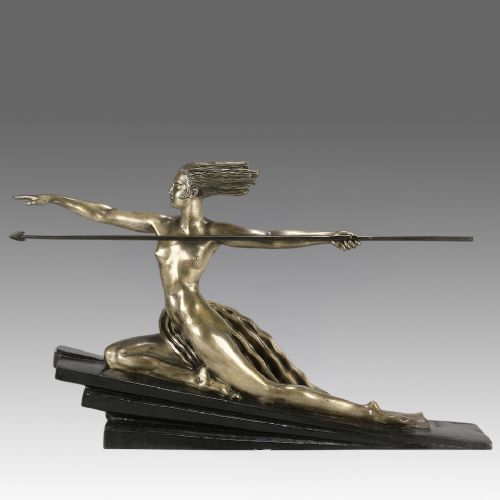
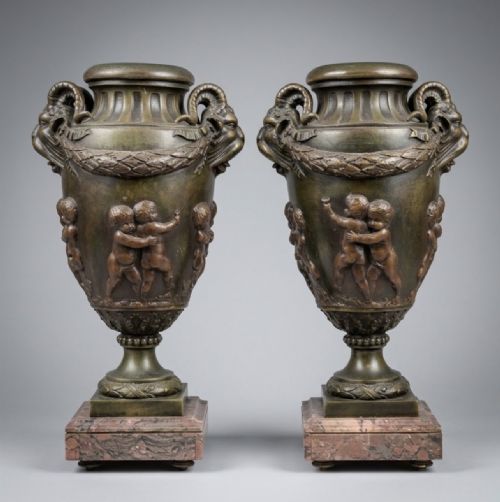
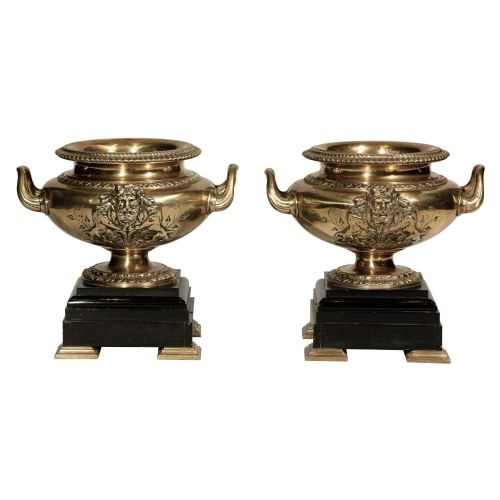
When searching for a metal base vase, collectors encounter diverse forms spanning the nineteenth and twentieth centuries, including campana urns, baluster vessels, and decorative garnitures. The metal base vase most frequently met on this page combines a bronze, spelter, copper-alloy, or silvered body mounted firmly upon a fitted marble or stepped plinth.
Originating from French Neoclassical, Chinese Export, Grand Tour, and Victorian traditions, these items serve primarily as ornamental urns, table lamps, and mantel centrepieces. The combination of cast metals and stone bases provides both visual contrast and physical stability for display.
Makers and workshops across Europe and Asia utilised distinct cultural idioms, ranging from Roman taste Grand Tour bronzes to high-relief Chinese copper-alloys. Buyers select these works for their architectural proportions and the interplay between lustrous metal surfaces and heavy mineral bases.
Materials and construction methods
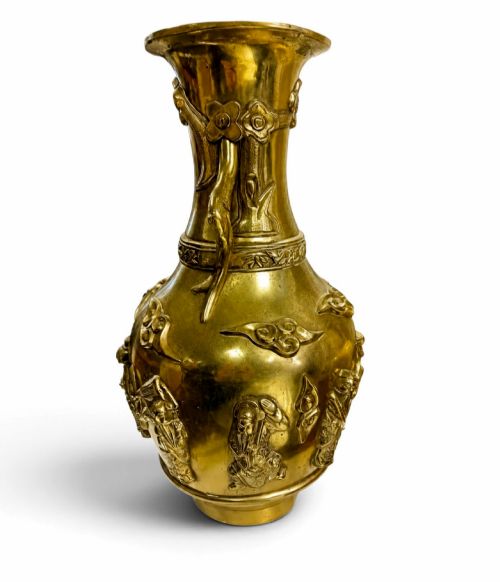
Artisans constructed these objects using bronze, spelter, copper-alloy, brass, and silvered metal, often combining them with white marble or black marble plinths. Casting techniques allowed for intricate high-relief decoration, such as Daoist immortals or classical foliate motifs.
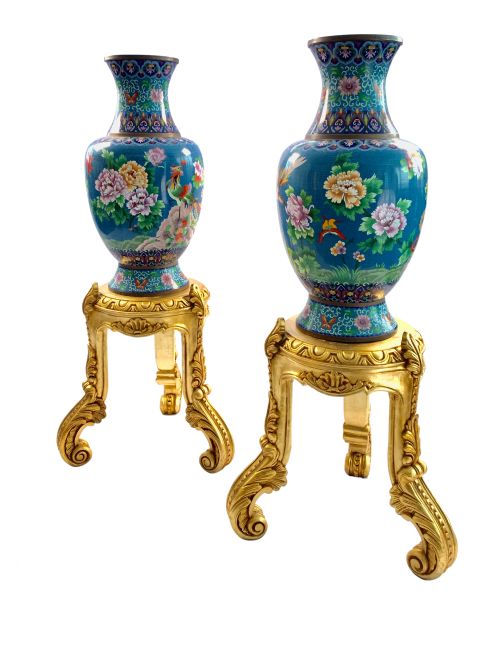
Surface ornamentation involved chasing, patination, and cloisonné enamelling, alongside the application of ormolu and silver plating. Plinths were precision-cut and polished to support the substantial weight of the upper vessel securely.
Metal Base Vase Retail Price Guide 2026
Typical asking prices for metal base vase among the pieces listed under this phrase on Sellingantiques today, from the lower quarter to the upper quarter. They describe what is for sale here now, not the wider market.
Listings feature items from the 19th century, 1900, and 1930, utilising bronze, marble, spelter, copper, and cloisonné enamel.
Distinctions in quality
The standard of execution in the metal casting dictates the upper tier of these pieces, where crisp chasing and deep relief separate fine studio work from commercial production. Heavy, well-proportioned marble plinths that sit flush and secure beneath the metal body indicate superior manufacturing care.
Original patination and integration between the metal vessel and its stone base preserve the integrity of the object. Pieces that retain their original lids, matching pairs, and crisp surface detailing command greater appreciation among collectors.
Lalique
The Metal Base Vase Glossary
- Campana urn
- A bell-shaped vessel with a flared rim, frequently mounted on a square plinth. This classical form originates from ancient Roman pottery and metalwork.
- Spelter
- A zinc alloy commonly utilised as a less expensive alternative to bronze during the nineteenth century. It accepts patination well to simulate heavier metals.
- Cloisonné
- An enamelling technique where metal wire is soldered to a base to form compartments, which are then filled with coloured paste and fired. Chinese workshops employed this method extensively.
- Grand Tour
- A cultural phenomenon of the nineteenth century where travellers collected classical antiquities and reproduction bronzes in Italy. These souvenirs often feature detailed patinated finishes.
- Ormolu
- Gilded bronze produced by applying a mercury and gold amalgam to a bronze base and heating it. This technique imparts a rich, lasting golden surface.
Metal Base Vase: Frequently Asked Questions
What is a metal base vase?
A metal base vase is a decorative vessel made from materials such as bronze, spelter, or copper-alloy that is mounted upon a fitted marble or stone plinth.
These pieces function as ornamental urns, garniture sets, or table lamps, combining sculptural metalwork with a stable mineral foundation.
How were these urns used historically?
Historically, these vessels served as decorative garnitures on mantelpieces, architectural ornaments in formal rooms, or souvenirs collected during European travels.
Their substantial weight and classical proportions made them suitable centrepieces for nineteenth-century reception rooms and libraries.
How do I care for marble and bronze?
Bronze and spelter surfaces require gentle dusting with a dry, soft cloth to protect the patinated finish from moisture and oils.
Marble plinths should be cleaned with a slightly damp cloth without harsh chemical detergents that can etch the polished stone.
How are French and Chinese pieces distinguished?
French pieces typically follow Neoclassical, Empire, or Grand Tour aesthetics with patinated bronze and white marble plinths.
Chinese examples often feature copper-alloys, high-relief Daoist motifs, or cloisonné enamel work rooted in traditional East Asian craftsmanship.