


Metal Architectural Salvage
Metal architectural salvage encompasses rescued structural components and decorative hardware that bring historical presence to gardens and interiors.
Metal Architectural Salvage
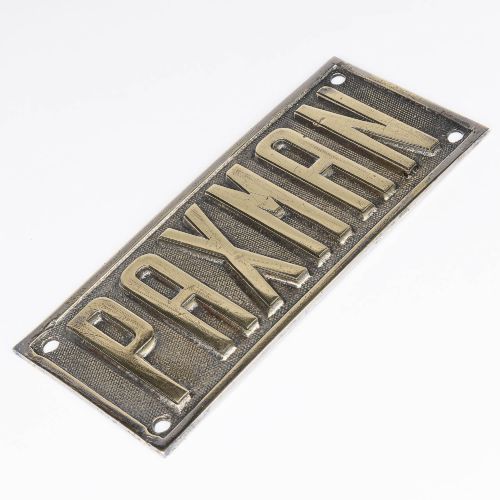
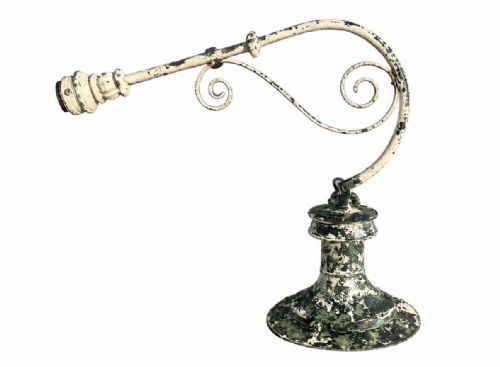
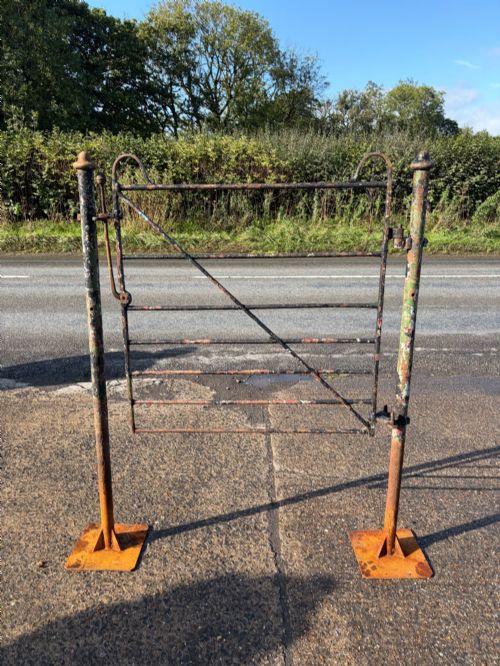
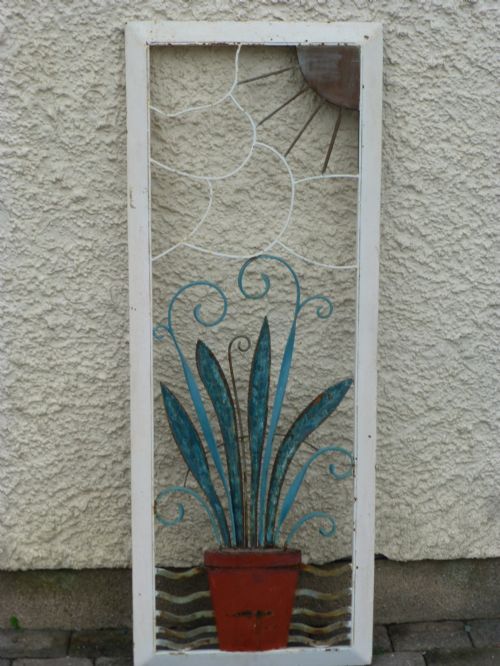
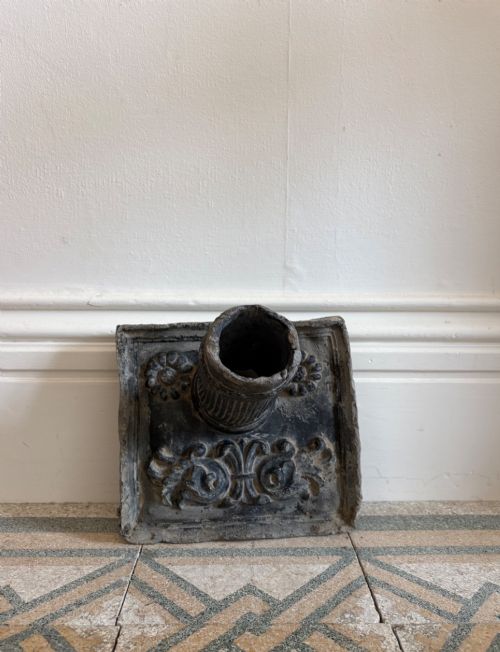
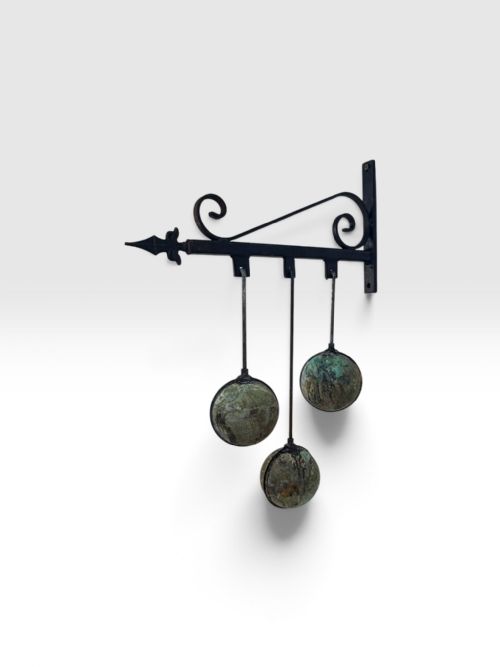
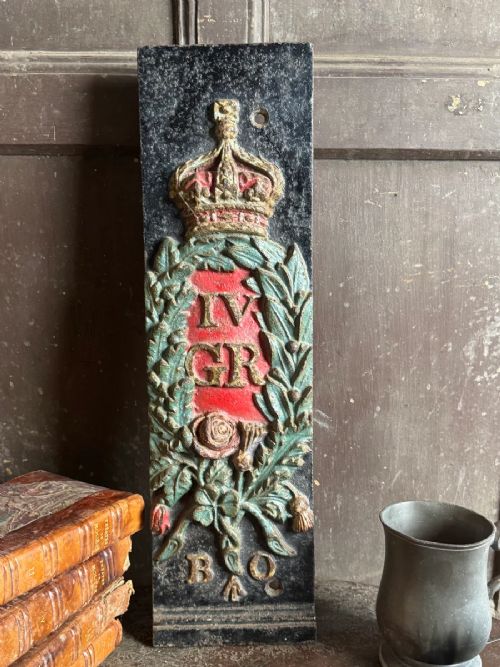
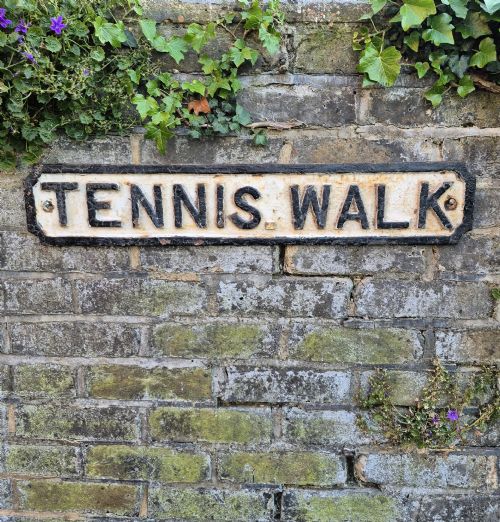
Metal architectural salvage covers a wide array of items removed from period buildings, including garden gates, door hardware, lanterns, trade signs, and wall plaques.
Buyers seeking metal architectural salvage frequently encounter pieces originating from the eighteenth, nineteenth, and early twentieth centuries, spanning Georgian, Victorian, and Edwardian styles.
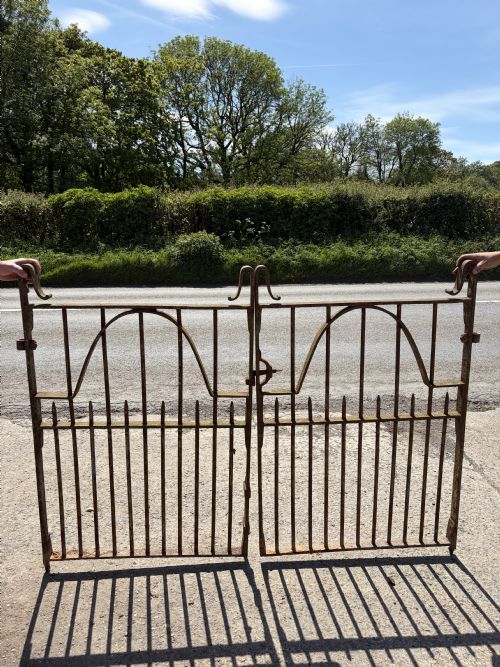
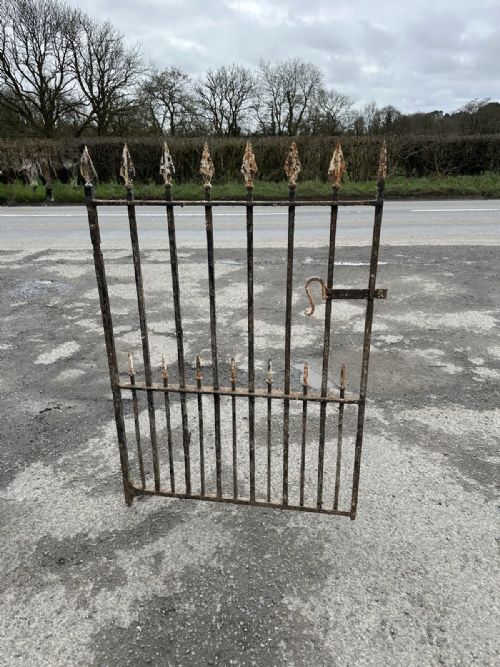
The selection ranges from large wrought iron estate gates and pedestrian field gates down to small items such as ceiling roses, door push plates, and servants' bell name plates.
Materials and Techniques
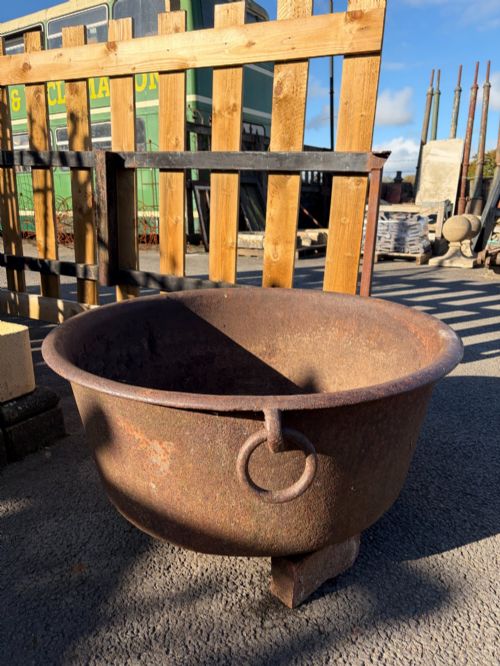
Blacksmiths and founders shaped these objects using wrought iron, cast iron, bronze, brass, and copper, often finishing surfaces with old paint or enamel.
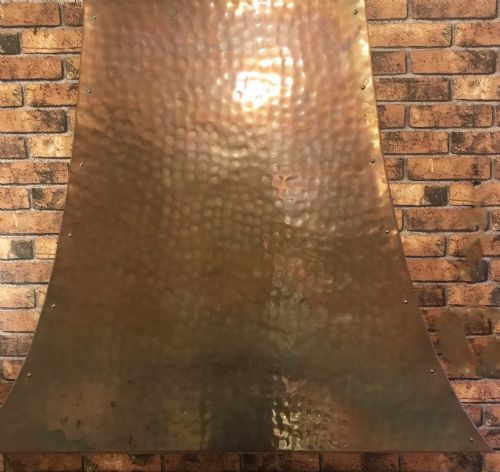
Manufacturing methods combine hand-hammered detailing and riveted construction with precision casting, creating durable structural pieces and intricate decorative elements.
Metal Architectural Salvage Retail Price Guide 2026
Typical asking prices for metal architectural salvage among the pieces listed under this phrase on Sellingantiques today, from the lower quarter to the upper quarter. They describe what is for sale here now, not the wider market.
Listings feature items formed from wrought iron, cast iron, copper, bronze, and brass across the Georgian, Victorian, and Edwardian periods.
Markers of Quality
Quality in these pieces depends on the crispness of the casting, the complexity of the blacksmith's forge work, and the integrity of the original surface patination.
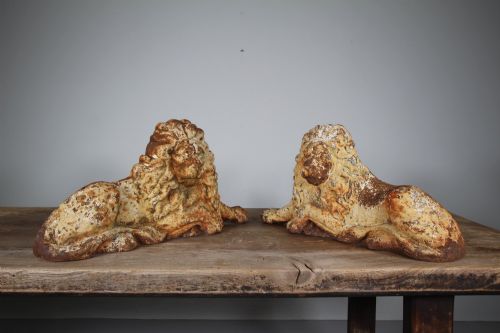
Items that retain their original brackets, matching pairs, or untouched historic paint finishes stand apart from altered or heavily restored examples.
Raymond Subes
The Metal Architectural Salvage Glossary
- Wrought iron
- Iron that has been heated and worked by hand with tools, known for its fibrous structure and resilience. It yields under bending rather than snapping like cast iron.
- Cast iron
- Molten iron poured into a mould to create rigid forms with detailed ornamentation. It provides sharp relief work for plates, brackets, and architectural crests.
- Overdoor pediment
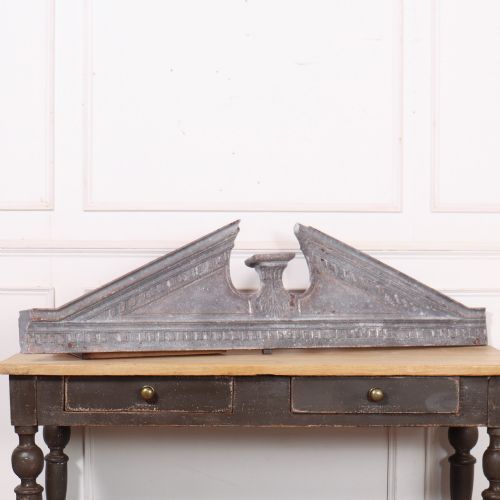
- A decorative architectural element positioned above a doorway. These large components frame entrances and display classical or period moulding profiles.
- Ceiling rose
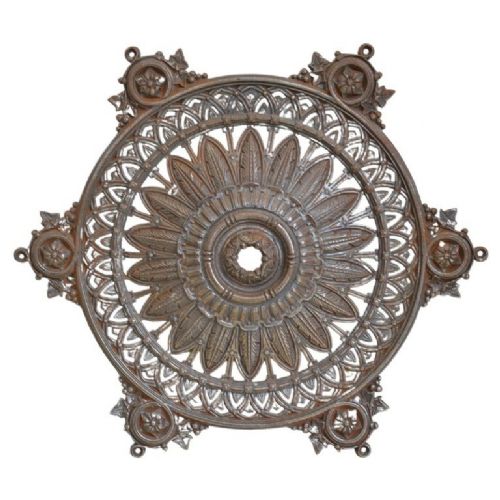
- A circular decorative moulding fixed to a ceiling around a light fitting or centrepiece. Cast iron examples feature relief patterns such as feathers and ivy.
- Strapwork
- Flat bands of metal arranged in scrolling or geometric patterns to reinforce gates and doors. This technique adds structural strength alongside visual rhythm.
- Weathervane
- A movable device mounted on a roof to show the direction of the wind. They often incorporate silhouette figures such as cockerels driven by air currents.
Metal Architectural Salvage: Frequently Asked Questions
What is metal architectural salvage?
These items are rescued building components, hardware, and decorative metalwork taken from older properties during demolition or renovation.
They offer a way to incorporate period character and solid metal craftsmanship into modern restoration projects.
How were old gates made?
Blacksmiths hammered and bent wrought iron bars by hand, securing joints with rivets or traditional collars before hanging them on sturdy posts.
Heavier elements utilised cast iron components to introduce decorative flourishes and structural rigidity.
How do I install heavy iron brackets?
Large brackets and gates require secure masonry anchors or timber fixings capable of supporting substantial weight without pulling free from walls.
Professional installation ensures that historic pieces remain stable and safe for everyday use.
Can exterior metal salvage stay outside?
Wrought iron and cast iron items withstand outdoor conditions well, especially when protected by traditional paint layers or natural oxidation.
Periodic inspection for moisture helps preserve the metal and prevents degradation of the original surface.