





Metal Accent Lamp
A metal accent lamp brings focused illumination and tactile period character to a room, drawing the eye with sculptural form.
Metal Accent Lamp
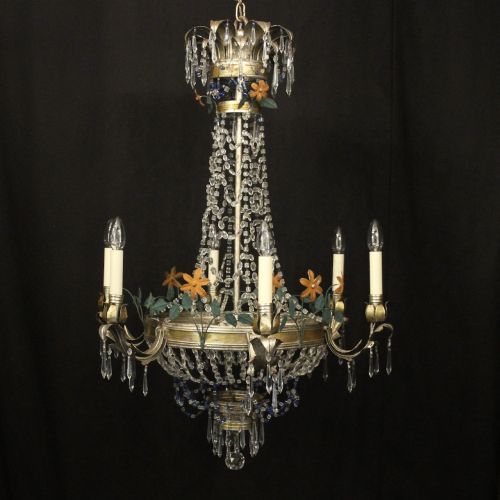
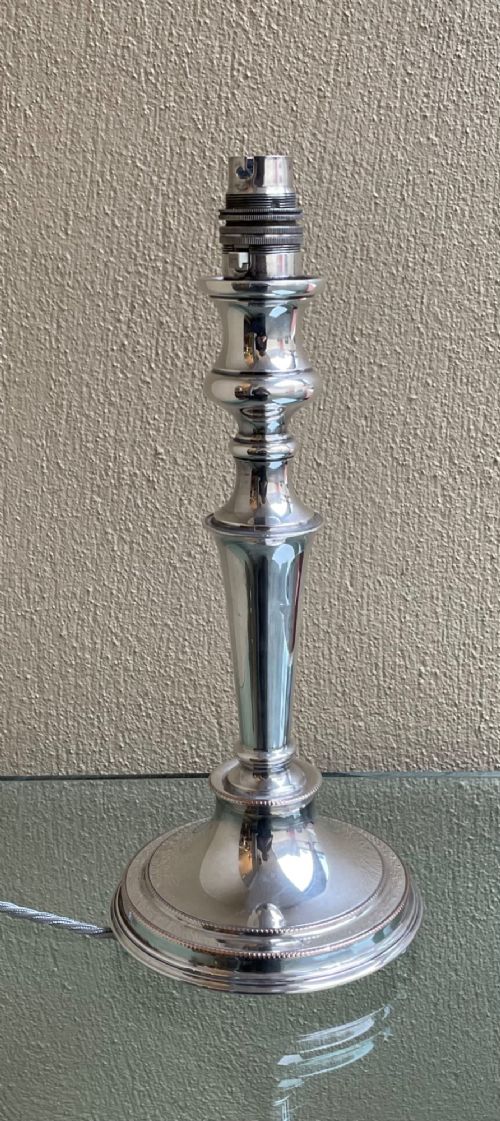
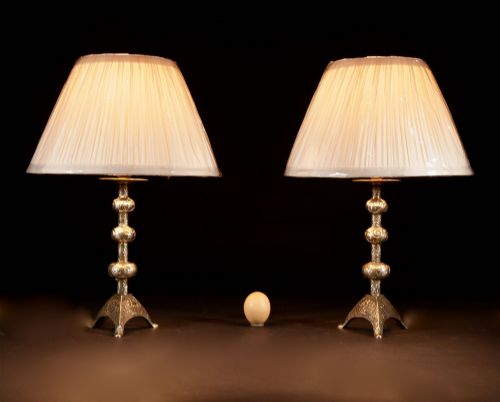
When you search for a metal accent lamp, you encounter a diverse array of lighting fixtures and supportive furniture primarily originating from the nineteenth and early twentieth centuries. These pieces encompass table lamps, standard floor lamps, and occasional tables mounted in metal, reflecting the shifting tastes of the Edwardian, Victorian, and Art Deco eras.
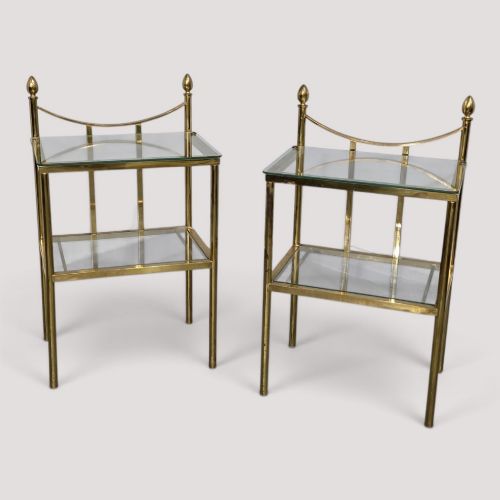
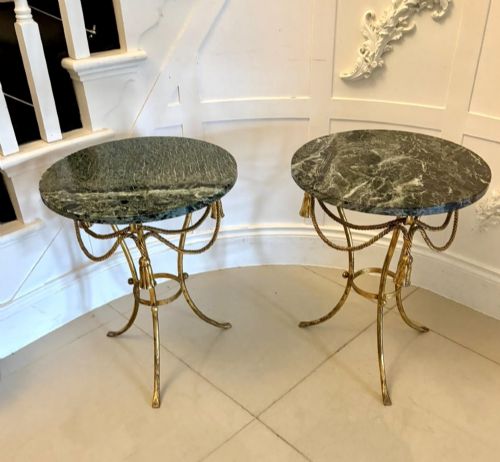
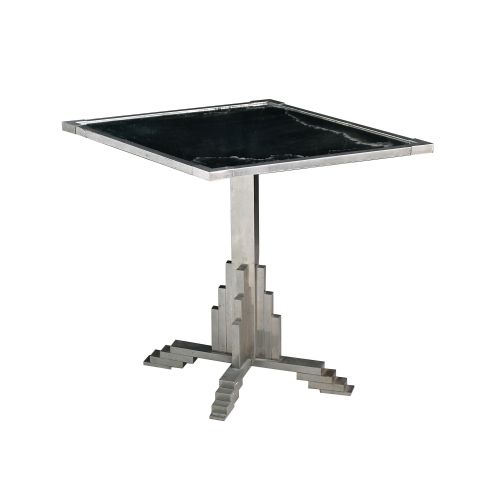
The selections you meet here lean heavily toward European craftsmanship, with French, Italian, and British designs dominating the inventory. Alongside traditional lighting, you will find occasional and side tables incorporating metal mounts, marble, and glass that function within the same decorative vocabulary.
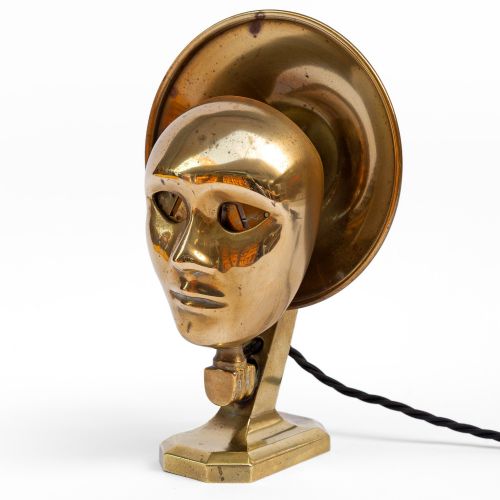
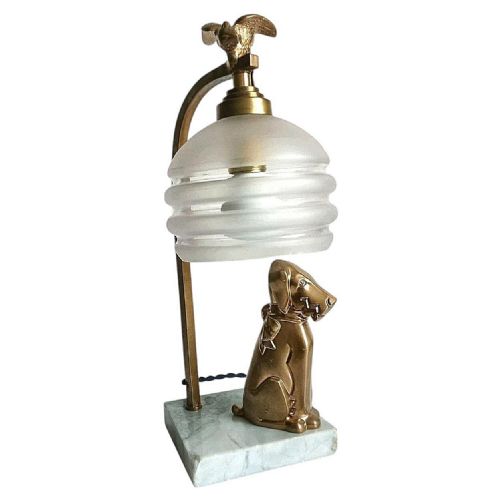
The forms range from figural novelties featuring dancers and animals to geometric Modernist creations and ornate Revival pieces. This variety ensures that a metal accent lamp can anchor a room either as a striking focal point or a subtle period detail.
Materials and construction
The construction of these pieces relies on a foundation of durable metals such as brass, bronze, copper, spelter, and chrome, frequently paired with contrasting elements like marble, onyx, and cut glass. Makers utilised casting, plating, and gilding techniques to achieve varied surface textures, from high-polish nickel to patinated bronze and silver gilt.
Lighting components were often integrated with decorative shades formed from frosted glass, fabric, or tôleware, while furniture pieces combined metal mounts with hardwoods like walnut and kingwood. These mixed-media constructions demanded skilled joinery and metalworking to ensure stability and aesthetic cohesion across both lamps and lamp tables.
Metal Accent Lamp Retail Price Guide 2026
Typical asking prices for metal accent lamp among the pieces listed under this phrase on Sellingantiques today, from the lower quarter to the upper quarter. They describe what is for sale here now, not the wider market.
Tennis players and film directors inspired nineteenth and twentieth-century metal founders just as much as cherubs and dogs did.
Distinctions in craftsmanship
Design integrity and the retention of original elements, including specialised glass shades or specific maker-signed components, elevate a piece significantly. Lesser examples may exhibit softer cast details, uniform factory finishes, or mismatched secondary materials that lack the hand-finished precision of superior workshops.
The Metal Accent Lamp Glossary
- Spelter
- A zinc alloy commonly utilised as a less expensive substitute for bronze in decorative figures and lamp bases, often finished with a bronze-look patination. It became particularly popular during the Art Nouveau period for sculptural casts.
- Ormolu
- A technique of applying finely ground high-carat gold to a bronze object using a mercury amalgamation process. This imparts a rich, warm golden finish seen on fine mounts and decorative hardware.
- Cloisonné
- An ancient technique for decorating metal object surfaces, in which enamel is held in place by thin flat strips of metal welded to the base. Pieces utilising this method showcase intricate, colourful patterns.
- Tôleware
- Enamelled or lacquered sheet metalware, frequently painted by hand with floral or gilt motifs. It was widely used for decorative lamp bodies and canisters in traditional interiors.
- Verde marble
- A dark green ornamental marble with distinctive white or lighter veining, frequently employed for heavy, stable lamp bases and decorative table tops.
Metal Accent Lamp: Frequently Asked Questions
What defines an Art Deco lamp?
Art Deco lighting is characterised by streamlined geometric forms, sleek chrome or nickel finishes, and stylised motifs inspired by machinery and modern speed. These pieces often incorporate frosted glass and bold silhouettes that reflect the design ethos of the interwar period.
Such lamps serve as strong focal points in contemporary interiors, pairing clean lines with functional illumination. Their metallic surfaces catch ambient light, adding a polished sophistication to living spaces.
How do I style a metal accent lamp?
A metal accent lamp works best when placed on a low-profile side table, sideboard, or desk where its sculptural qualities and warm illumination can be fully appreciated. Pairing a metallic base with contrasting textures like wood, marble, or textiles adds depth to a room's interior scheme.
Consider the period of the piece when selecting its surrounding decor to either create a cohesive historical vignette or a striking modern contrast. The compact footprint of an accent lamp allows it to sit comfortably in reading corners or hallway niches.
What is the difference between brass and bronze?
Brass is an alloy composed primarily of copper and zinc, yielding a bright yellow, gold-like appearance that can be polished to a high sheen or patinated to a darker tone. Bronze is an alloy of copper and tin, resulting in a heavier, darker, and more durable material prized for sculptural casting.
In antique lighting, bronze typically indicates a higher-end casting with finer detail, while brass offers a bright, reflective warmth. Both materials develop a natural patina over time that enhances their historical character.
How do I care for antique metal lamps?
Maintaining antique metal involves gentle dusting with a soft, dry cloth to prevent the accumulation of grime without disturbing the accumulated surface patination. Avoid harsh chemical cleaners or abrasive polishes, which can strip away original gilding, plating, or aged patinas.
For lamps with marble or glass components, use appropriate mild cleaners applied directly to the cloth rather than the piece itself. Ensuring the electrical wiring is inspected by a qualified professional preserves safety while retaining the original body.