





Merchant Storage Cabinet
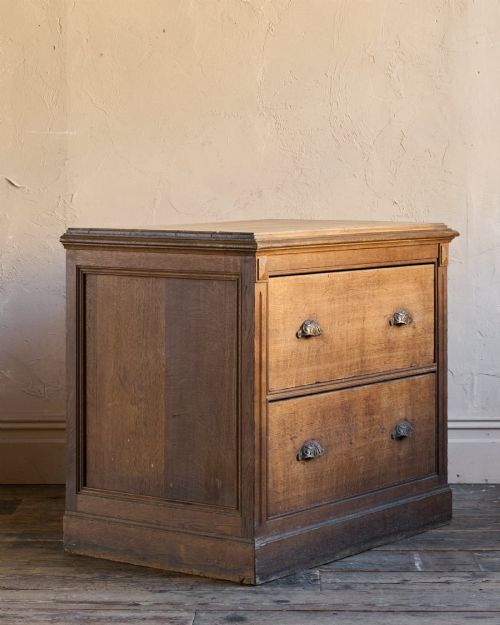
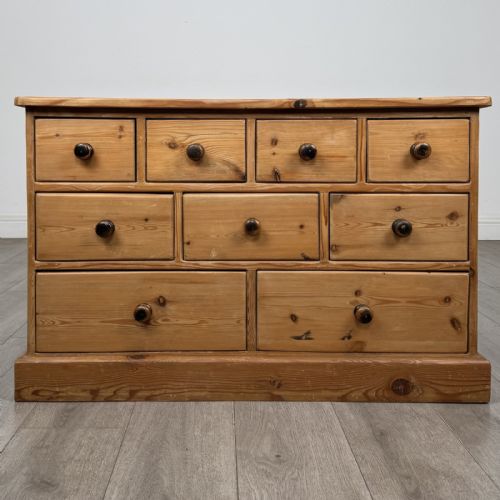
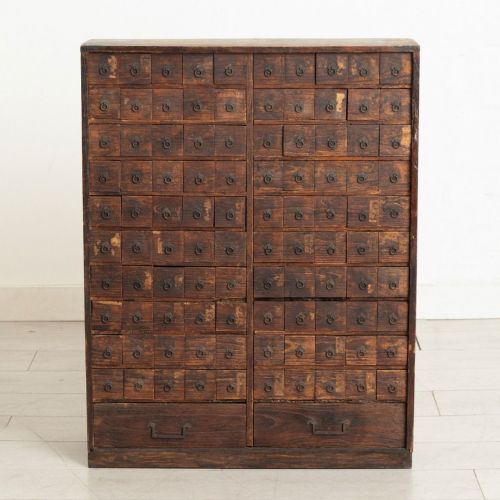
These merchant storage cabinet examples span large pine shop fittings and Japanese tansu chests built for practical utility and trade.
Merchant Storage Cabinet
A merchant storage cabinet serves commercial and domestic roles through multi-drawer configurations, ranging from British shop fittings and drapers chests to Japanese tansu chests. Buyers encounter robust pine banks of drawers alongside keyaki, elm, cedar, and kiri wood tansu pieces dating from the nineteenth century onward.
The form encompasses specialised storage types including apothecary cabinets, watchmakers tall banks, and office filing units. Nineteenth-century Victorian examples and Meiji period Japanese pieces dominate the available selection, reflecting traditional trade and mercantile use across different cultures.
Factors of quality in storage cabinets
Quality rests in the integrity of the multi-drawer construction and the preservation of original surfaces, whether painted pine or polished hardwood. The complexity of the drawer arrangement, from six up to twenty-five drawers, influences the scale and utility of the piece.
Original hardware such as brass pulls and iron mounts adds distinction, while provenance linking a cabinet to specific nineteenth-century businesses elevates its historical interest.
Merchant Storage Cabinet Retail Price Guide 2026
Typical asking prices for merchant storage cabinet among the pieces listed under this phrase on Sellingantiques today, from the lower quarter to the upper quarter. They describe what is for sale here now, not the wider market.
Listings feature nineteenth-century Victorian pine shop fittings alongside Japanese Meiji and Taisho period tansu chests constructed from elm, cedar, and keyaki.
Luxmore's of Ilfracombe
The Merchant Storage Cabinet Glossary
- Tansu
- A traditional Japanese mobile storage chest built for domestic or mercantile use. These pieces often feature numerous drawers and iron reinforcement brackets.
- Keyaki
- Japanese zelkova hardwood utilised for durable cabinet construction. It provides a strong grain structure suited to merchant chests.
- Haberdashery drawers
- Multi-drawer units originally designed for retail drapery and textile shops. They feature shallow banks of drawers to sort small stock.
- Bank of drawers
- A large furniture form comprising multiple stacked or aligned storage compartments. This configuration is typical of nineteenth-century shop fittings.
- Mizuya
- A Japanese kitchen storage tansu used for food and utensil organisation. These cabinets reflect traditional domestic joinery.
Merchant Storage Cabinet: Frequently Asked Questions
What is a merchant storage cabinet?
A merchant storage cabinet is a multi-drawer unit originally built for retail, trade, or domestic organisation. These pieces include British pine shop fittings and Japanese tansu chests.
They provide extensive compartmentalization through numerous drawers designed to hold small goods, textiles, or documents securely in a commercial setting.
Where do shop fitting cabinets come from?
Shop fitting cabinets originate from nineteenth-century retail environments such as drapery stores, watchmakers, and apothecary shops. They were constructed to display and organise trade inventory efficiently.
These pieces typically feature large banks of pine drawers, sometimes retaining their original painted finishes in cream or green.
How do I style a large bank of drawers?
A large bank of drawers functions well as a sideboard in a dining room or a focal storage piece in a hallway. Its extensive compartmentalization offers practical organisation for modern living.
Keeping the top surface uncluttered allows the utilitarian timber construction and original hardware to remain the visual focus of the room.