

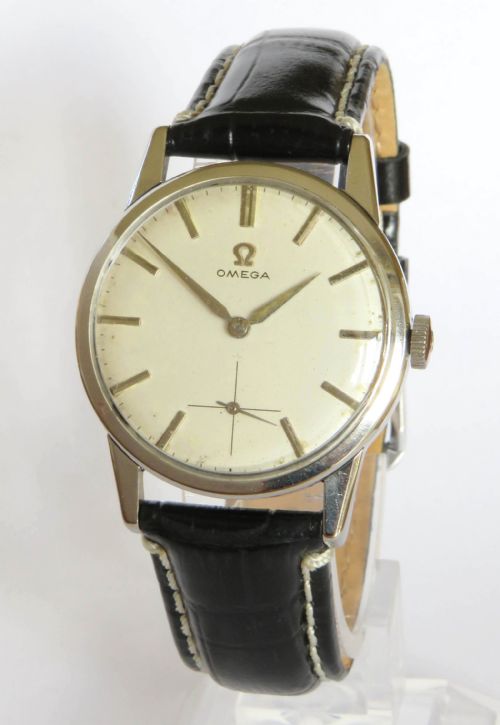
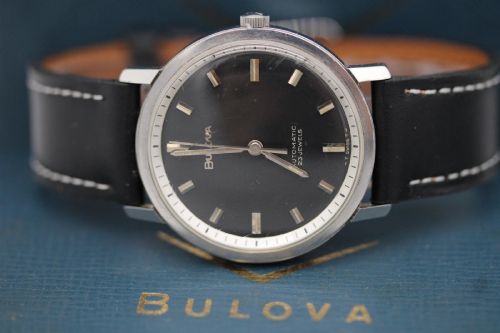
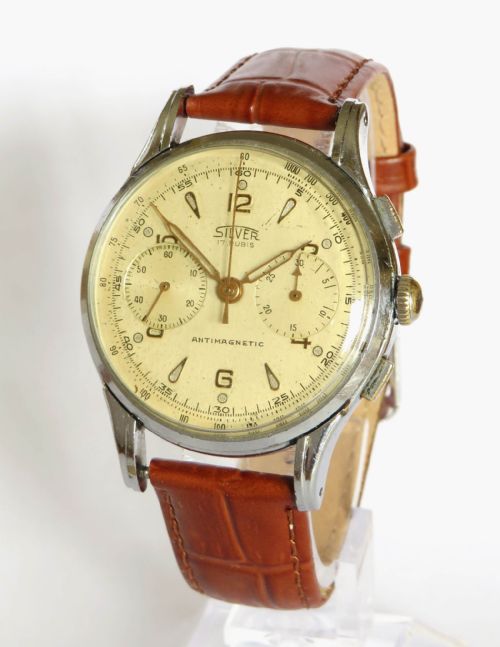
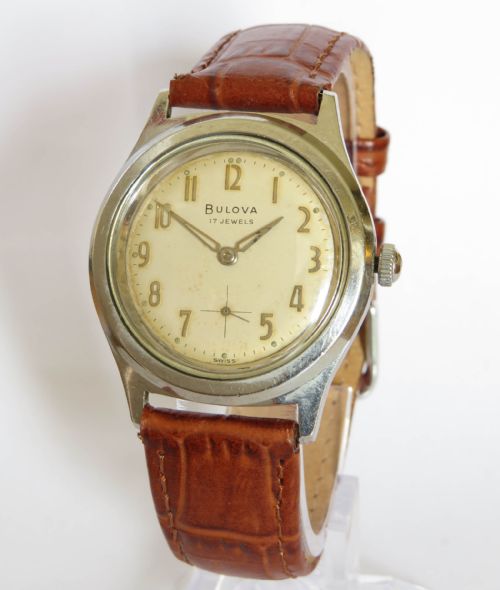
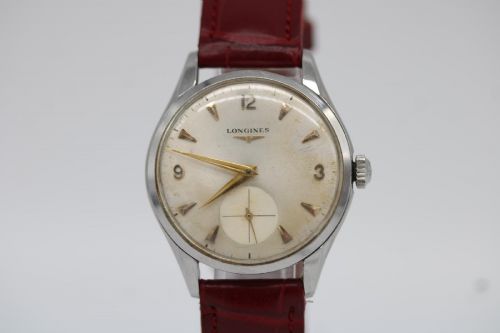
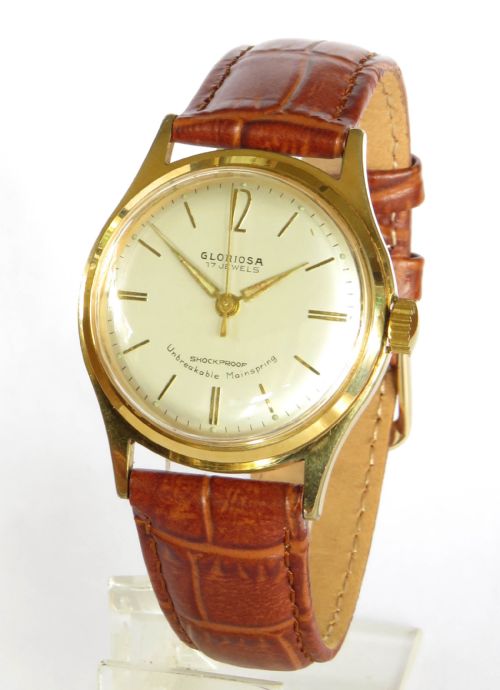
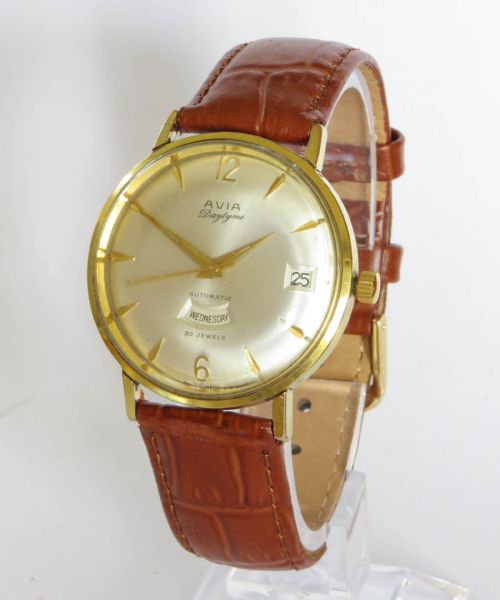
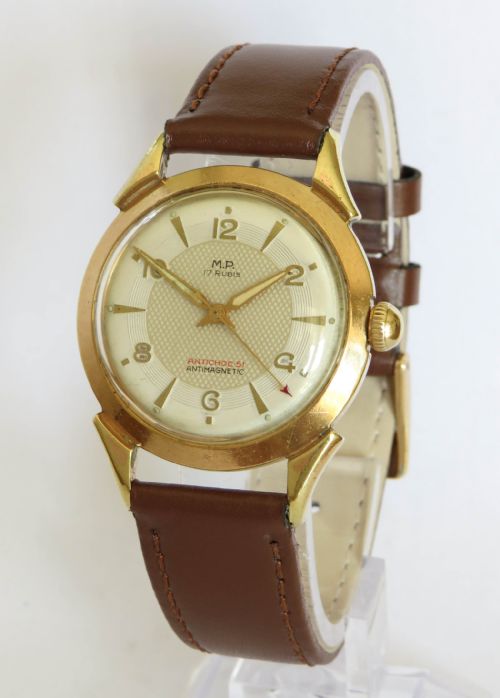
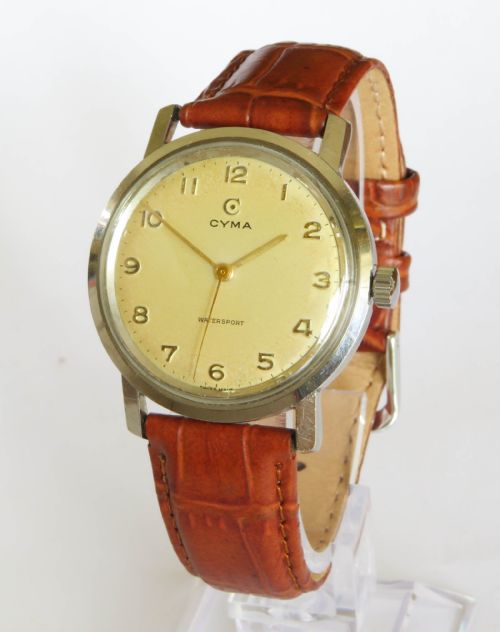
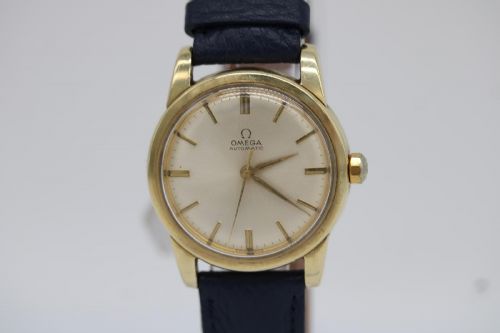
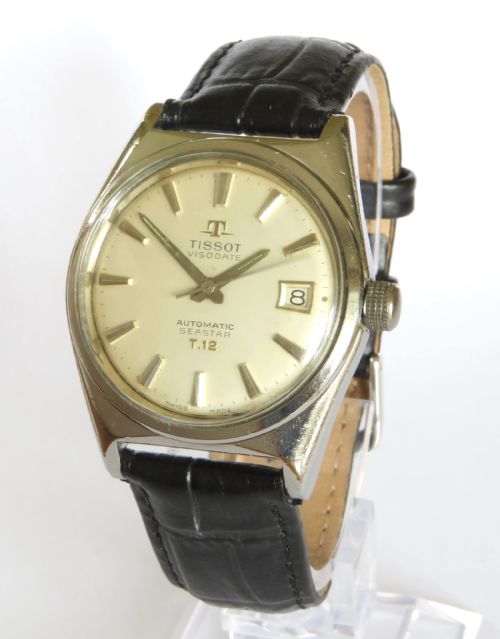

Mens Analogue Watch
A mens analogue watch offers mechanical timekeeping through traditional hands and dials, bringing mid-century character and reliable wristwear to daily rotation.
Mens Analogue Watch
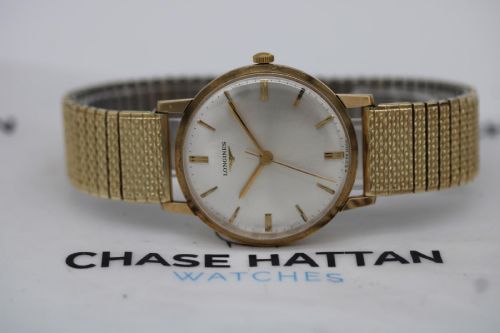
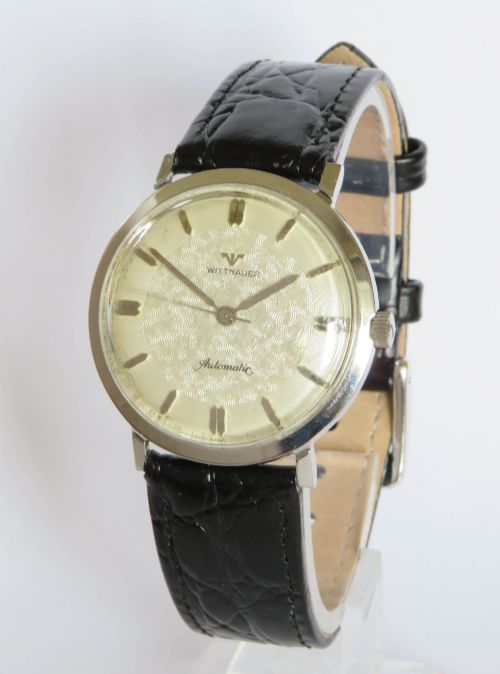
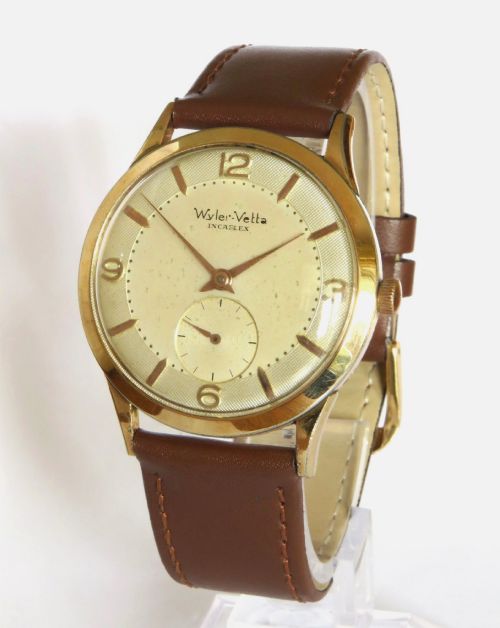
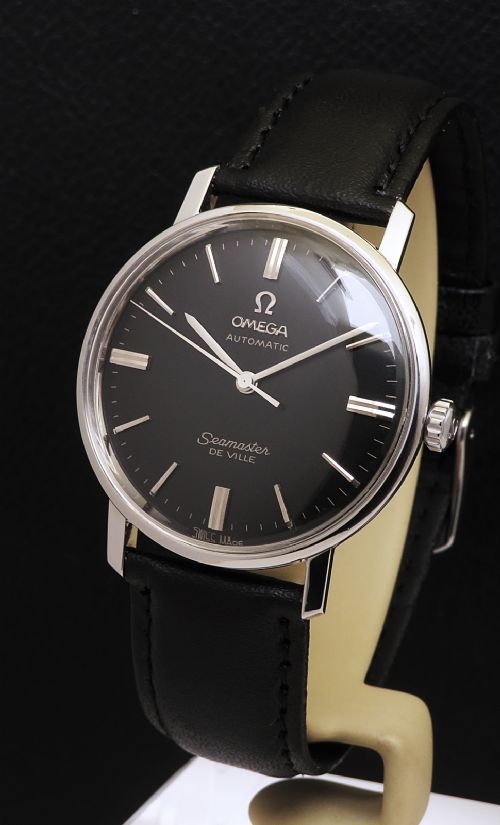
A mens analogue watch is a traditional timepiece displaying hours, minutes, and often seconds via moving hands on a dial. Buyers seeking this phrase encounter wristwatches originating primarily from the 1950s and 1960s, alongside select pieces from the 1940s and the nineteenth century.
The selections here span everyday mechanical instruments to automatic self-winding designs. These items frequently display Mid-Century Modern, Mid-Century, and Art Deco styles, reflecting the aesthetic shifts of their respective decades.
How they were made
Casing construction relies on durable metals including stainless steel, chrome-plated steel, chrome, and gold plate. These metals house delicate manual-wind and automatic movements while protecting the internal mechanics from daily wear.
Dials are shielded by glass or acrylic glass lenses, providing clear visibility of the markers. Leather straps complete the assembly, offering flexible and traditional wrist attachment.
Mens Analogue Watch Retail Price Guide 2026
Typical asking prices for mens analogue watch among the pieces listed under this phrase on Sellingantiques today, from the lower quarter to the upper quarter. They describe what is for sale here now, not the wider market.
Listings feature items spanning the nineteenth century through the 1960s, constructed in stainless steel, chrome, gold plate, and leather.
What varies in quality
Quality differences emerge in the complexity and finish of the internal movement, such as jewelled mechanisms and calibre specifications. Well-executed calibres and respected maker signatures distinguish the finer examples from standard production pieces.
The integrity of the external casing and dial preservation dictate overall desirability. Original finishing on dials and robust metalwork separate superior specimens from heavily altered alternatives.
Omega·Cyma·Antoremi·Longines·Tissot·Bulova·Smiths Astral·Ensign·Eterna·Girard Perregaux·Dogma Prima·Marvin·Felca·Technos Goldshield·Consul Dermaphile·Avia
The Mens Analogue Watch Glossary
- Analogue watch
- A timepiece that indicates time through hands moving across a graduated dial rather than digital digits. This traditional format defines the core of mechanical and quartz wristwear.
- Automatic
- A self-winding mechanical movement that uses the natural motion of the wearer's wrist to power the mainspring. This system removes the need for daily manual winding.
- Manual wind
- A mechanical movement requiring the user to turn the crown by hand to tension the mainspring. This traditional method has powered timepieces for centuries.
Mens Analogue Watch: Frequently Asked Questions
How do I wind a vintage watch?
Wind the crown gently clockwise between your thumb and forefinger until you feel resistance. Stop immediately to avoid over-tensioning the internal mainspring.
For automatic models, normal daily wrist movement provides the necessary energy. Manual versions require this daily or periodic winding to maintain operation.
Can I wear my vintage watch daily?
Many vintage timepieces handle regular daily wear provided they receive proper mechanical servicing. Regular care keeps the internal oils fresh and gears functioning smoothly.
Avoid exposing older watches to moisture unless waterproof ratings are explicitly confirmed. Treat them with care during vigorous physical activities.
What does automatic mean on a dial?
An automatic designation indicates a self-winding mechanical movement driven by an internal weighted rotor. The rotor swings with arm motion to keep the mainspring wound.
This technology gained widespread popularity during the mid-century period. It offers the traditional charm of a mechanical watch without requiring manual daily winding.
How do I tell a 1950s watch from a 1960s watch?
Fifties designs often lean toward classic dress aesthetics with rounded cases and subtle dial markers. Sixties pieces frequently embrace bolder geometry and cleaner modern styling.
Internal movement calibres and case stamps also provide clues to exact production eras. Comparing specific maker catalogues helps date individual examples accurately.