



Meiji Silvered Metal
These meiji silvered metal items are finely worked Japanese bronzes and mixed metal pieces, sought after for their intricate silver, gold, and bronze detailing.
Meiji Silvered Metal
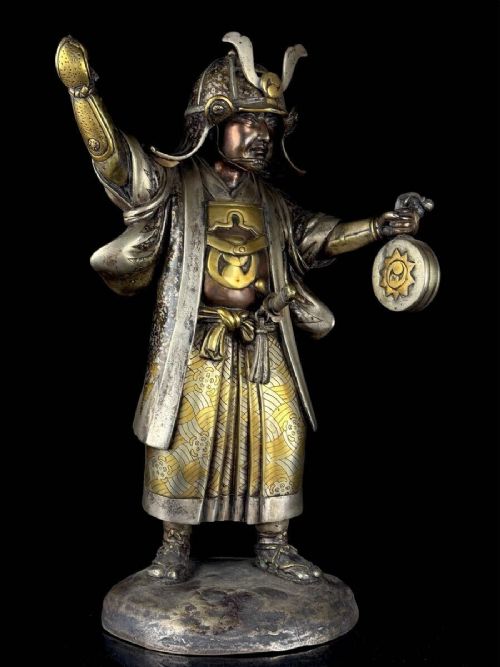
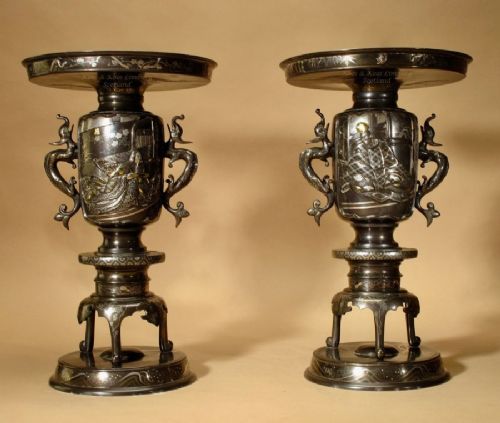
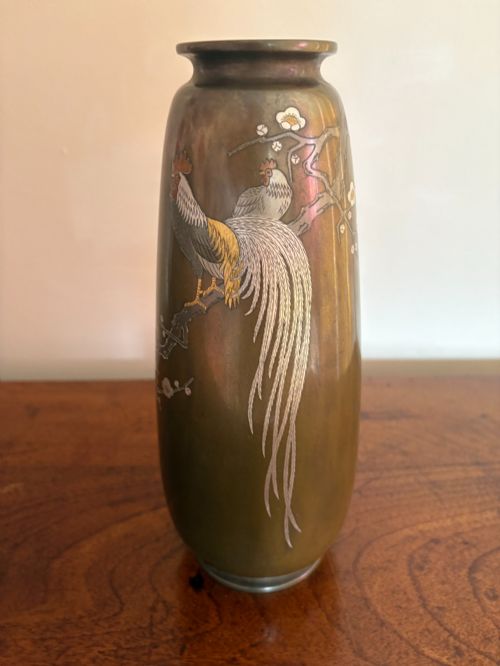
When you search for meiji silvered metal, you are looking at Japanese decorative arts spanning the late nineteenth and early twentieth centuries. The examples here include vases, sculptures, brush pots, sword fittings, incense burners, and decorative boxes.
The most common forms you will meet on this page are Japanese bronze and mixed metal vessels and cases. These objects originate from the Meiji period and surrounding decades, showcasing traditional metalworking techniques.
Pieces from this category bring distinct craftsmanship into a room through patinated bronze surfaces and inlaid precious metals. They range from utilitarian spectacle cases to large decorative vases and sculptural figures.
How they were made
These items rely primarily on bronze as a base material, shaped through casting and then finished with patination. Artisans applied overlays and inlays of silver and gold to create detailed pictorial and geometric designs on the dark metal surfaces.
Mixed metal techniques, often referred to as nunome-zogan or similar inlay methods, allowed craftsmen to hammer fine foils of silver and gold into cross-hatched incisions on the bronze. Additional elements like enamel, wood, silk cord, and gold inlay further enriched the construction of boxes, vases, and tsuba.
Meiji Silvered Metal Retail Price Guide 2026
Typical asking prices for meiji silvered metal among the pieces listed under this phrase on Sellingantiques today, from the lower quarter to the upper quarter. They describe what is for sale here now, not the wider market.
Materials documented across the inventory include bronze, silver, gold, enamel, wood, and silk cord.
What varies in quality
Quality in these metalwork pieces rests on the precision of the inlay work and the depth of the chased details. Finer examples display securely held silver and gold overlays that integrate harmoniously with the patinated bronze ground.
The sophistication of the subject matter and the weight of the bronze body also separate standard items from superior works. Signed pieces and those retaining complex mixed metal palettes demonstrate higher levels of workshop execution.
KANASAWA·Ando
The Meiji Silvered Metal Glossary
- Bronze
- A copper alloy traditionally used as the primary structural material for Japanese vases, boxes, and sculptural objects.
- Meiji Period
- The era in Japanese history lasting from 1868 to 1912, characterised by extensive production of high-quality metalwork for export and domestic use.
- Tsuba
- A traditional guard at the end of the grip of a Japanese sword, frequently cast in bronze and overlaid with precious metals.
- Mixed Metal
- A technique involving the combination of bronze, silver, gold, and other metals on a single object to create contrasting visual tones.
Meiji Silvered Metal: Frequently Asked Questions
What is meiji silvered metal?
These items are Japanese bronze objects from the late nineteenth and early twentieth centuries that feature silver overlays, inlays, and mixed metal decoration.
They encompass practical items like spectacle cases and brush pots alongside decorative vases, incense burners, and sculptural figures.
How do I identify a Meiji period piece?
Identification relies on observing the traditional bronze casting methods, specific surface patination, and the application of silver and gold inlays.
Many pieces carry signatures or marks from workshops active during the Meiji era between 1868 and 1912.
What are mixed metal bronzes?
Mixed metal bronzes are Japanese artefacts where craftsmen hammered silver, gold, and other metal foils into prepared surfaces on the bronze base.
This technique created intricate pictorial details, contrasting colours, and textures across vases, boxes, and sword fittings.
How should I care for these metal objects?
These items require gentle dusting with a soft, dry cloth to protect the delicate silver and gold inlays on the bronze surface.
Avoid using liquid cleaners or abrasive polishes that can strip the historic patination from the metal.