





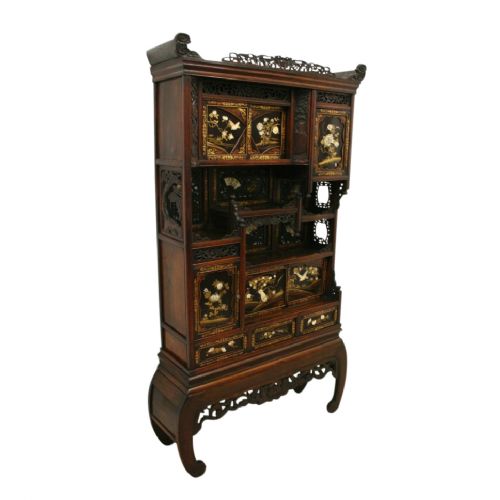

Meiji Lacquer Stand
These pieces of meiji lacquer stand furniture bring intricate Japanese artistry and rich timber craftsmanship directly into your interior.
Meiji Lacquer Stand
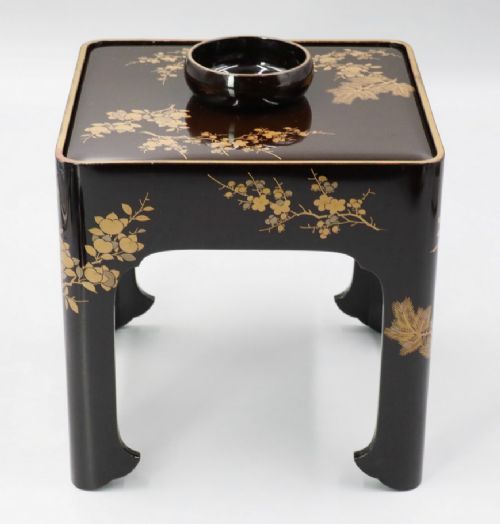
A meiji lacquer stand or associated cabinet brings traditional Japanese craftsmanship into British interiors, often taking the form of a shodana cabinet on a stand, a plant stand, or a display table.
The items span the late nineteenth and early twentieth centuries, intersecting with Victorian and Aesthetic Movement tastes that embraced exotic decorative arts.
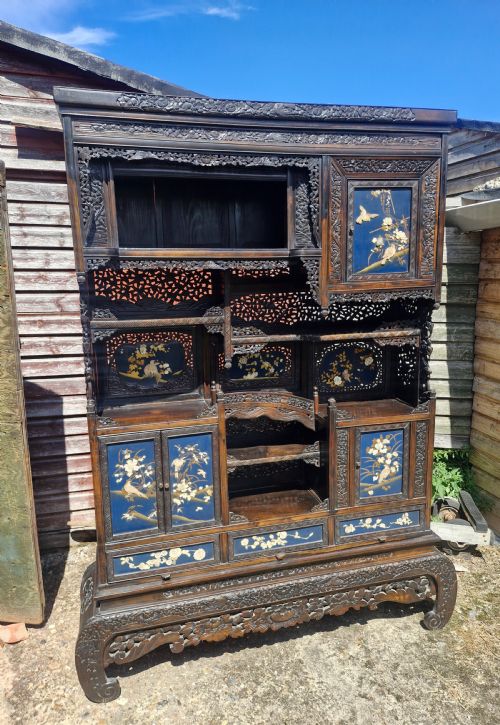
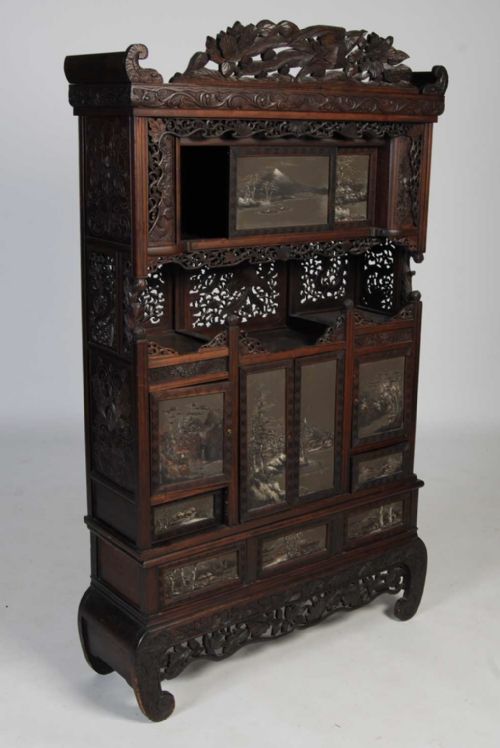
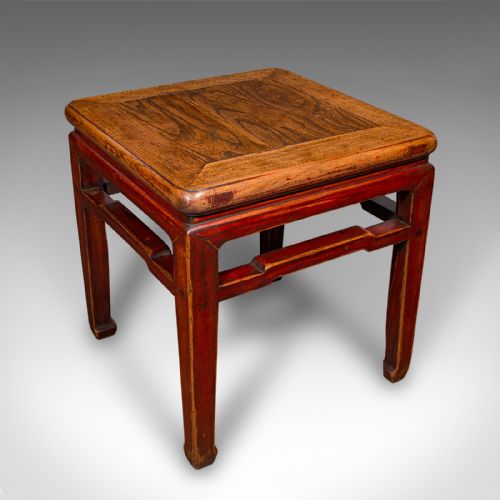
You will encounter various elevated forms on this page, including elaborate shibayama cabinets, elm tea tables, and low stands designed for display.
How they were made
Makers utilised timber substrates such as elm and assorted hardwoods, building sturdy frames for cabinets, plant stands, and display tables.
Surfaces received intricate layers of lacquer, often enriched with gold leaf, mother of pearl, and bone inlay to create pictorial or geometric scenes.
Certain pieces incorporate carved cinnabar lacquer or porcelain components, demonstrating the varied decorative techniques of the Meiji period.
Meiji Lacquer Stand Retail Price Guide 2026
Typical asking prices for meiji lacquer stand among the pieces listed under this phrase on Sellingantiques today, from the lower quarter to the upper quarter. They describe what is for sale here now, not the wider market.
Some elm tea tables double as kneeling furniture, proving that tea ceremonies and rigid posture once went hand in hand.
What varies in quality
The refinement of the surface decoration largely dictates the standard of a piece, distinguishing simple painted finishes from dense, multi-layered lacquerwork incorporating bone and mother of pearl inlay.
Structural complexity also plays a role, separating straightforward plant stands from elaborate shodana cabinets featuring intricate shelving and fitted compartments.
The integration of materials such as gold leaf and carved cinnabar indicates the level of artisan labour invested in the creation.
The Meiji Lacquer Stand Glossary
- Shodana
- A Japanese tabletop or cabinet featuring staggered shelving and small cupboards. These pieces are often mounted on stands.
- Cinnabar
- A carved red lacquer material built up in numerous layers before being deeply incised with motifs. It offers a distinct tactile surface.
- Shibayama
- A technique involving minute inlays of shell, ivory, bone, and metal to create decorative panels. This work often depicts flora and fauna.
- Aesthetic Movement
- A late nineteenth-century design style emphasising visual beauty over narrative or moral function. It drew heavy inspiration from Japanese art.
Meiji Lacquer Stand: Frequently Asked Questions
What is a shodana cabinet?
A shodana is a traditional Japanese cabinet featuring asymmetrical shelving and small doors. These were designed for displaying precious objects.
Many examples sit upon dedicated stands to elevate them within a room.
How do I care for lacquer furniture?
Lacquer surfaces require gentle treatment to avoid scratching or dulling the finish. Keep them away from direct sunlight and excessive heat.
Dust lightly with a soft, dry cloth without applying modern chemical polishes.
What is Shibayama inlay?
Shibayama refers to the delicate inlay of materials like mother of pearl, bone, and ivory into a lacquer or wood base. It creates raised, colourful pictorial effects.
This technique appears on fine Meiji period cabinets and decorative panels.
How do these pieces fit Victorian interiors?
Victorian collectors embraced Japanese design during the Aesthetic Movement, mixing exotic cabinets and stands with European furnishings.
Their dark woods and intricate details complemented eclectic nineteenth-century decorative schemes.