




Meiji Display Shelf
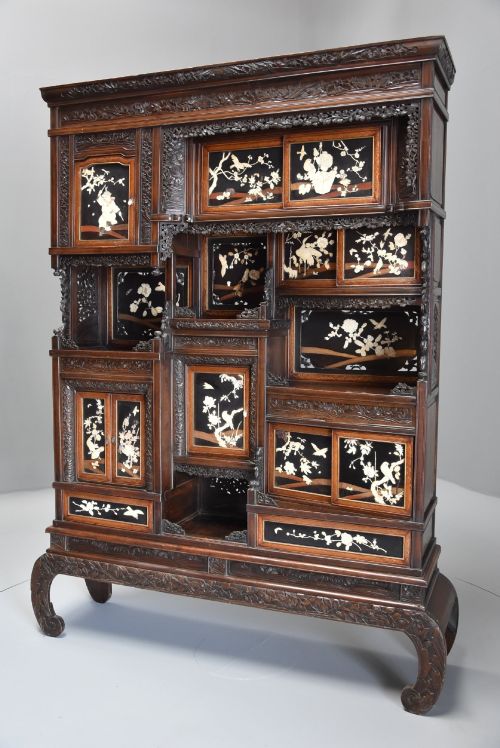
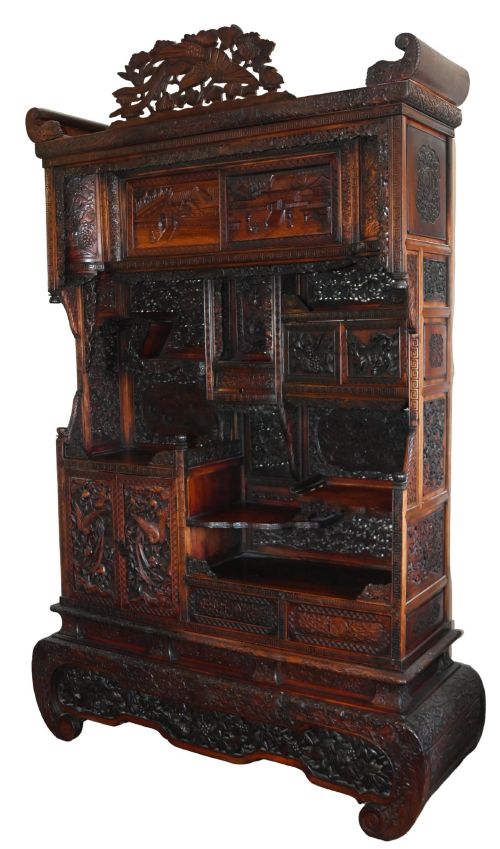
These meiji display shelf pieces are intricate wooden cabinets designed for showing treasures, offering exquisite craftsmanship from late nineteenth-century Japan.
Meiji Display Shelf
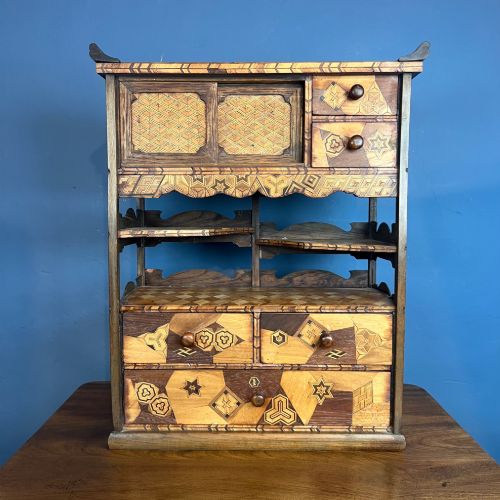
A meiji display shelf typically takes the form of a shodana or display cabinet originating from nineteenth-century Japan. These pieces reflect the artistic output of the Meiji period and Asian export traditions.
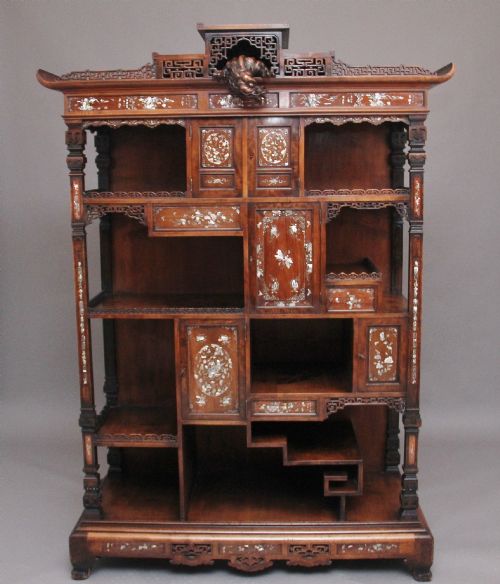
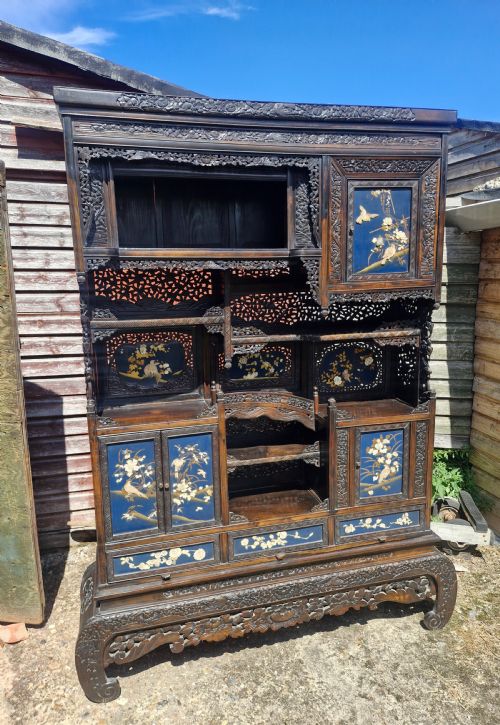
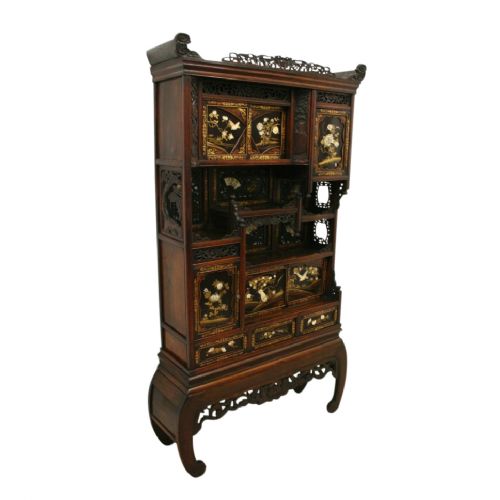
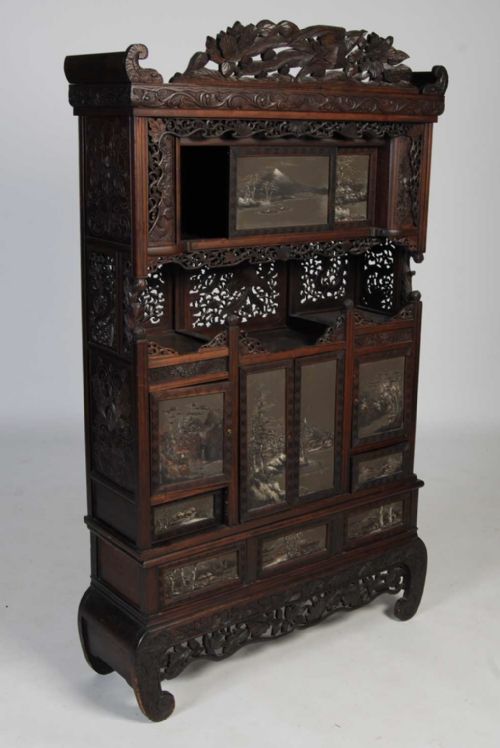
Buyers will encounter various forms on this page, including large cabinets, versions on stands, and French interpretations in the Japonisme style. The primary function remains the exhibition of small objects.
The construction spans the 1880s through to 1900, capturing a period of intricate woodcarving and decorative shelving designed for affluent homes.
How they were made
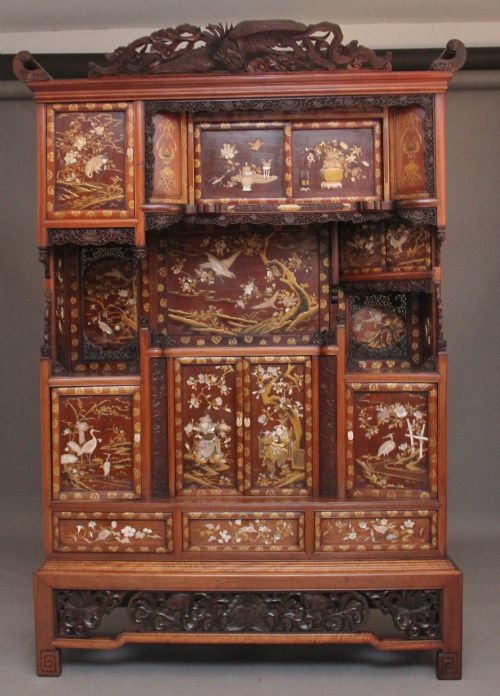
Hardwoods and rosewood form the structural foundation of these cabinets, shaped by skilled carvers into asymmetrical tiers and compartments. Lacquer provides a smooth, durable finish to the wooden surfaces.
Mother-of-pearl and bone inlay embellish the panels and doors, creating shimmering floral or avian motifs. Metal fittings often secure the corners and hinges while adding contrasting detail to the woodwork.
Meiji Display Shelf Retail Price Guide 2026
Typical asking prices for meiji display shelf among the pieces listed under this phrase on Sellingantiques today, from the lower quarter to the upper quarter. They describe what is for sale here now, not the wider market.
Materials documented across the inventory include hardwood, rosewood, lacquer, mother-of-pearl, bone, and metal.
What varies in quality
The depth and precision of the woodcarving separate standard cabinets from exceptional works, with finer pieces exhibiting deeply undercut motifs and flawless symmetry in their asymmetrical shelves.
The complexity of the inlay work also distinguishes the tier of craftsmanship, where meticulously fitted bone and mother-of-pearl create seamless pictorial scenes rather than simple geometric dots.
The Meiji Display Shelf Glossary
- Shodana
- A Japanese tiered display cabinet featuring asymmetrical shelving designed for ornaments and art objects. These pieces became central to nineteenth-century interior decoration.
- Meiji Period
- The era in Japanese history spanning from 1868 to 1912, characterised by the opening of trade with the West and distinctive decorative arts.
- Japonisme
- A Western artistic movement influenced by Japanese art and aesthetics, particularly prominent in late nineteenth-century Europe.
- Bone Inlay
- A decorative technique where small pieces of carved bone are embedded into wooden surfaces to form contrasting patterns.
Meiji Display Shelf: Frequently Asked Questions
How do I date a meiji display shelf?
Dating relies on stylistic markers and material evidence from the late nineteenth century, specifically between 1880 and 1900. Pieces from this era often bear the distinct influence of Meiji period craftsmanship and Asian export standards.
Examine the construction techniques and the integration of decorative elements like lacquer and inlay to determine the period of origin.
Where were these cabinets made?
These cabinets were primarily manufactured in Japan during the late nineteenth century for both local markets and the burgeoning export trade. Some related pieces reflect French interpretations created under the influence of Japonisme.
Master artisans utilised traditional woodworking methods to produce these elaborate display structures.
How should I display objects inside?
The asymmetrical shelving of a shodana invites the thoughtful arrangement of small ceramics, bronzes, or carved netsuke. Varying the height and scale of the objects complements the intentional irregularity of the tiers.
Ensure the cabinet is placed away from direct sunlight and extreme temperature fluctuations to protect the delicate lacquer and inlay work.