








Meiji Ceramic Art
Meiji ceramic art encompasses vases, plates, bowls, chargers, and figurines created during a dynamic period of Japanese manufacturing spanning the late nineteenth and early twentieth centuries.
Meiji Ceramic Art
Meiji ceramic art brings together diverse objects designed for both domestic display and international export during the late nineteenth and early twentieth centuries. The selection on this page centres on utilitarian and decorative vessels alongside sculptural forms.
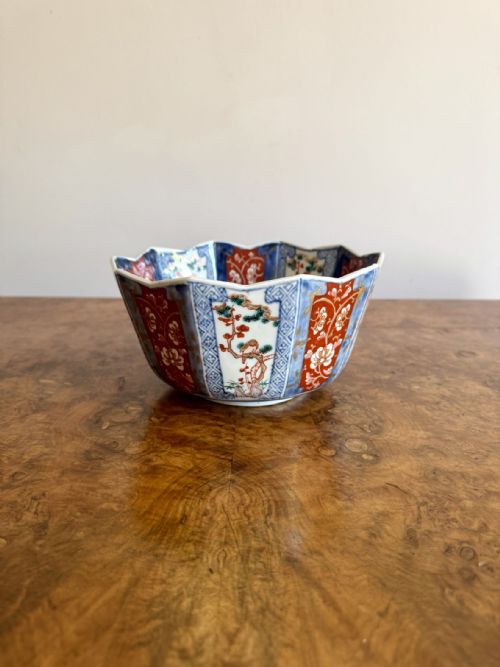
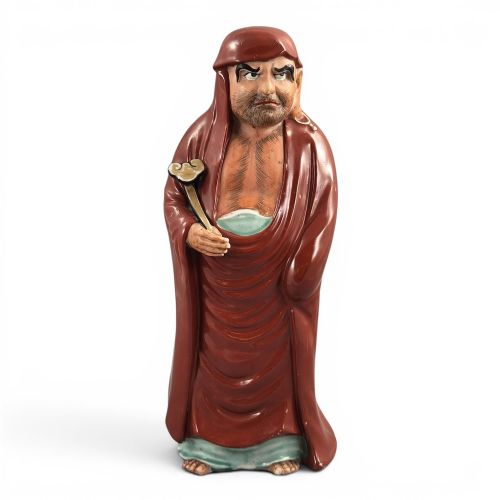
Vases, decorative plates, bowls, and chargers dominate the evidence, frequently rendered in traditional styles such as Japanese Imari and Satsuma. Figurines and okimono represent figures such as Bodhidharma, Jurojin, and Daikoku, capturing cultural narratives in porcelain, earthenware, and stoneware.
The objects originate from notable production centres like Kyoto and Yokohama, reflecting decades of manufacturing activity spanning the Meiji and Taisho periods. Collectors encounter everything from large garden jardiniere pieces to delicate hand-painted bowls.
Materials and Technique
Makers utilised porcelain, earthenware, and stoneware as primary bodies, shaping vessels on the wheel or forming sculptural figures by hand. Glazes applied to these surfaces ranged from standard transparent finishes to thick, tactile lavender flambe effects.
Decoration relied heavily on intricate paintwork, enamel, and gold leaf or gilt details to highlight complex figurative scenes and motifs. Specialised techniques included lacquer applied over black paint and specialised ceramic bodies like Sumida Gawa pottery.
Meiji Ceramic Art Retail Price Guide 2026
Typical asking prices for meiji ceramic art among the pieces listed under this phrase on Sellingantiques today, from the lower quarter to the upper quarter. They describe what is for sale here now, not the wider market.
Materials documented across the listings include porcelain, earthenware, stoneware, enamel, gold leaf, and lacquer.
Assessing Quality
Quality rests in the precision of the hand-painted detail and the complexity of the figural composition, particularly on Satsuma and Imari wares. Masterworks display confident brushwork and rich gilding that remain crisp across crowded scenes.
The handling of specialised glazes, such as flambe effects or layered lacquer over paint, distinguishes superior studio production from standard commercial output. Form and balance in sculptural okimono and thrown vessels further separate exceptional pieces from simpler utilitarian items.
Inoue Ryosai·Makuzu Kozan·Kinkozan·Hotoda
The Meiji Ceramic Art Glossary
- Okimono
- A small Japanese standalone ornamental carving or figure designed for display on a shelf or in a tokonoma alcove.
- Imari
- A style of Japanese porcelain decorated in underglaze blue and overglaze red, gold, and green, originating from the town of Arita.
- Satsuma
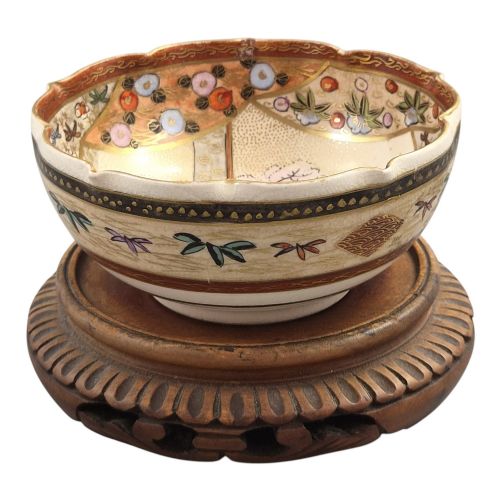
- A type of Japanese earthenware featuring a ivory crackle-glazed body decorated with polychrome enamels and gilt.
- Kutani
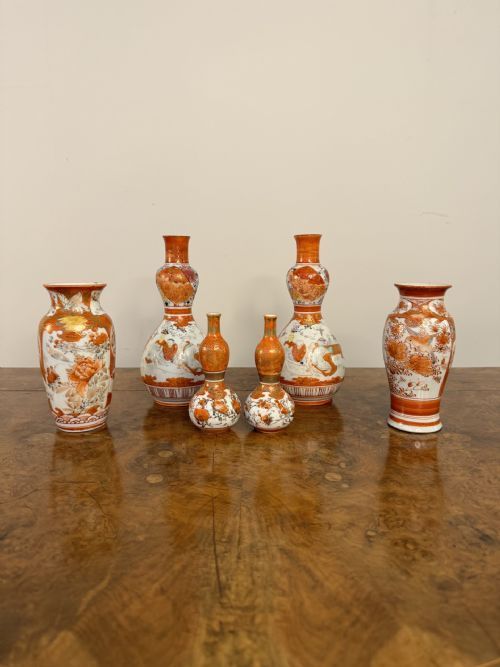
- Japanese coloured porcelain and pottery characterised by vibrant overglaze pictorial designs and rich palettes.
- Flambe
- A streaked or mottled ceramic glaze produced by metallic oxides undergoing reduction firing.
- Suiban
- A shallow ceramic basin or tray used for holding water, stones, or small plantings.
Meiji Ceramic Art: Frequently Asked Questions
What is Meiji ceramic art?
Meiji ceramic art comprises pottery and porcelain produced in Japan during the Meiji period, encompassing decorative vessels, plates, and sculptural figures.
These pieces reflect both traditional domestic aesthetics and items created for the export market using refined glazes and hand-painted decoration.
How do I identify Satsuma ware?
Satsuma ware is typically identified by its distinctive ivory-coloured earthenware body covered in a fine network of decorative crackle glaze.
Decoration on these pieces frequently incorporates detailed polychrome enamel painting and heavy gilding depicting figures, landscapes, or floral motifs.
What is Sumida Gawa pottery?
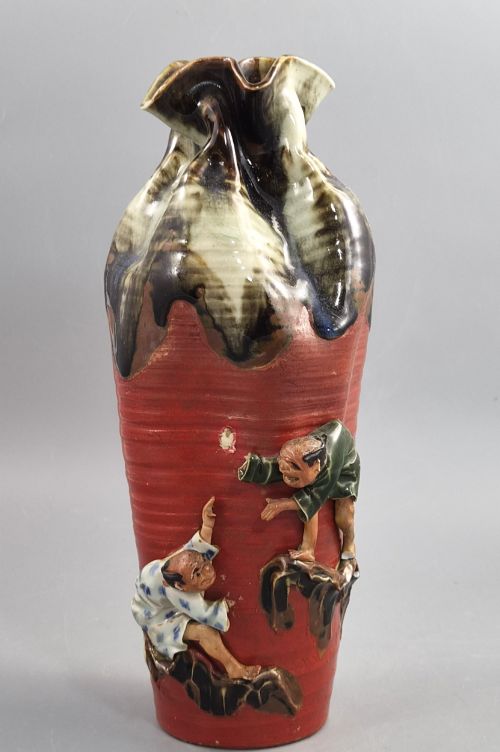
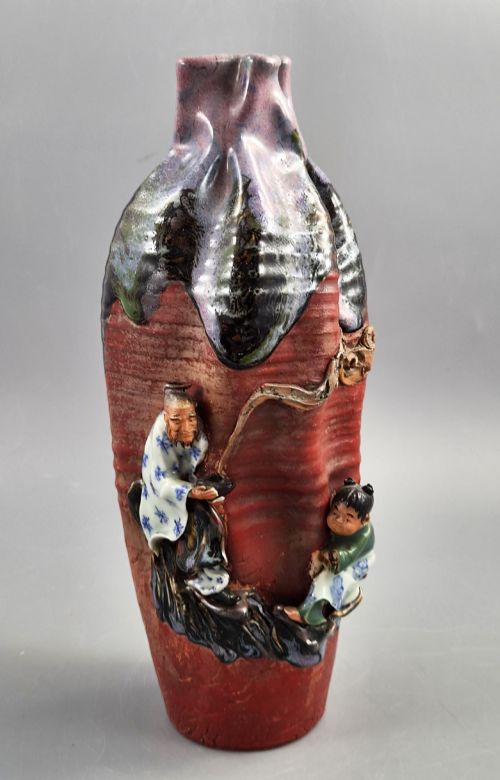
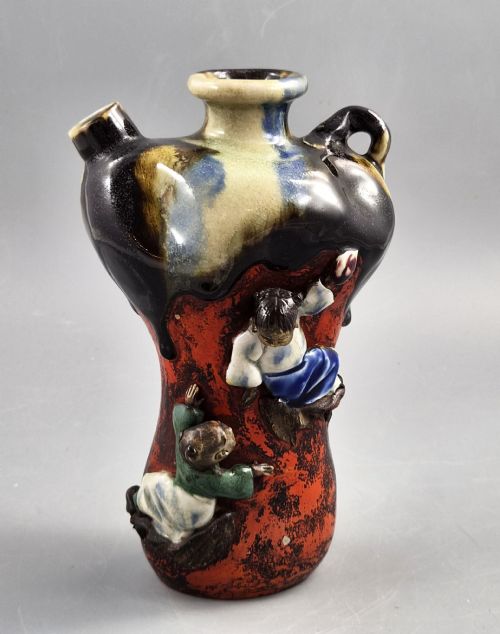
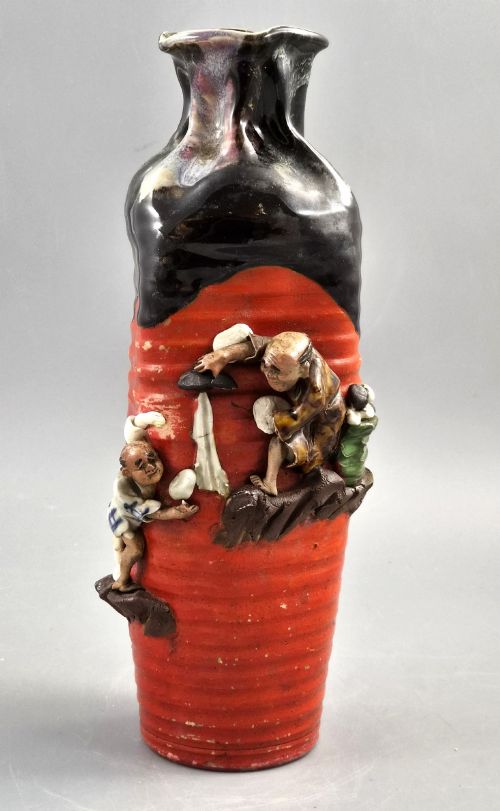
Sumida Gawa pottery originates from workshops associated with makers such as Inoue Ryosai, recognisable by its distinctive thick, flowing glazes.
These vessels often feature pinched rims and applied sculptural figures climbing up the exterior walls of the vase or brush washer.
How were Imari chargers used?
Imari chargers served primarily as large decorative display plates rather than functional tableware for dining.
Households placed these substantial porcelain pieces on stands or mounted them on walls to showcase their vibrant blue, red, and gold designs.