







Meiji Blue and White
Meiji blue and white pieces bring cobalt decoration and porcelain forms together for collectors seeking authentic Japanese craftsmanship.
Meiji Blue and White
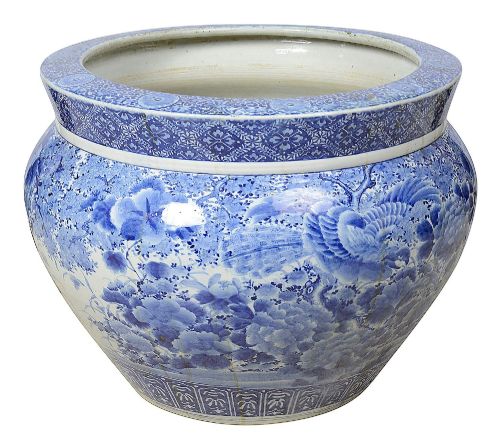
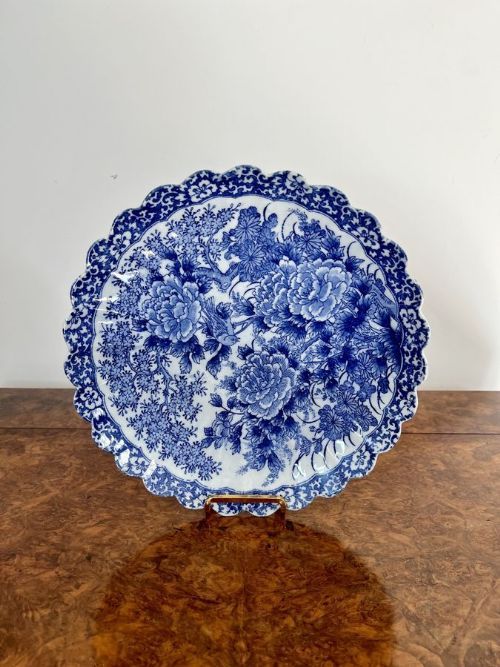
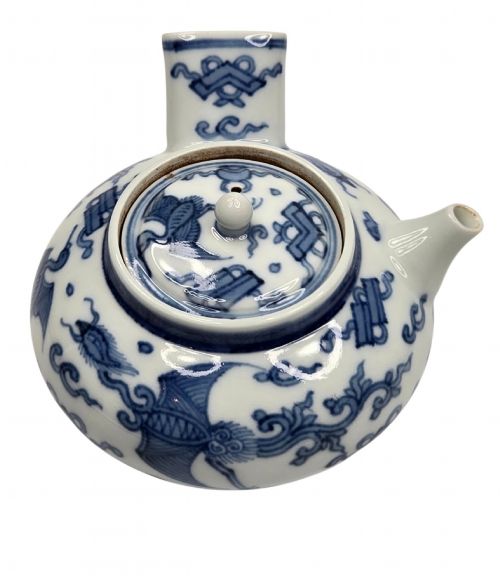
When you search for meiji blue and white, you encounter a selection of porcelain vessels, chargers, and plates originating from nineteenth-century Japan. The items span decorative chargers, table lamps, jardinieres, and smaller dishes, reflecting the varied output of the period.
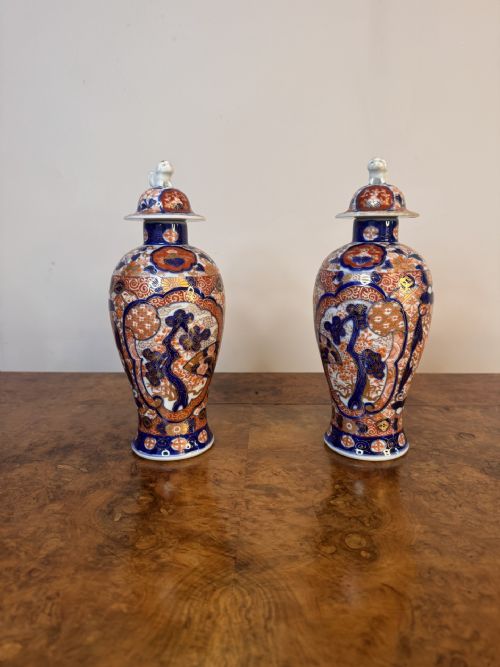
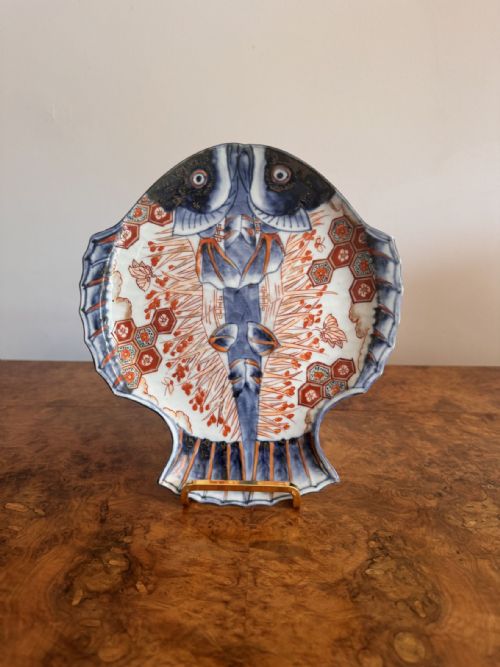
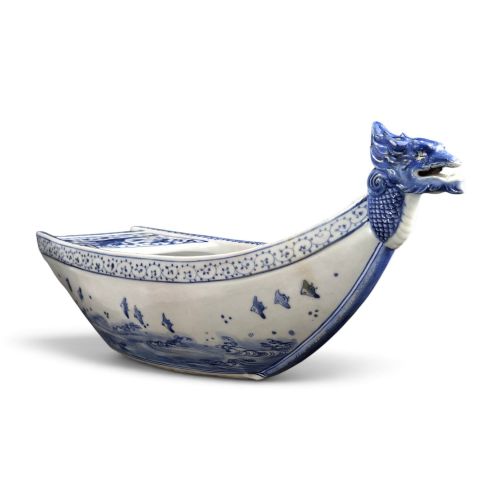
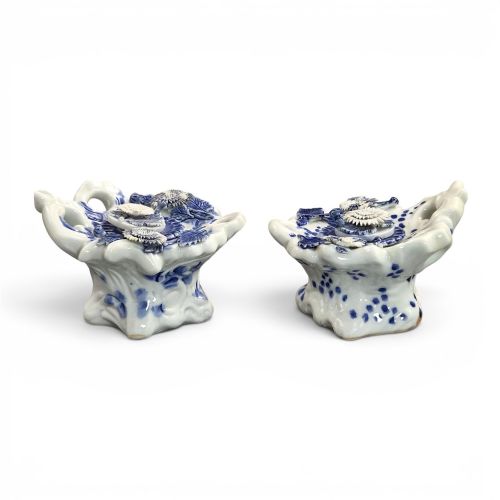
You are most likely to meet Imari patterns and Arita porcelain on this page, alongside Hirado and Kutani pieces. Forms range from scalloped bowls and fish-shaped plates to large floor vases and intricate dragon-head ship vessels.
The objects date predominantly from the nineteenth century into the early twentieth century, encompassing the Edo-Meiji transition and the Meiji period proper. Makers and potteries utilised traditional techniques to produce domestic wares and items destined for export.
Materials and technique
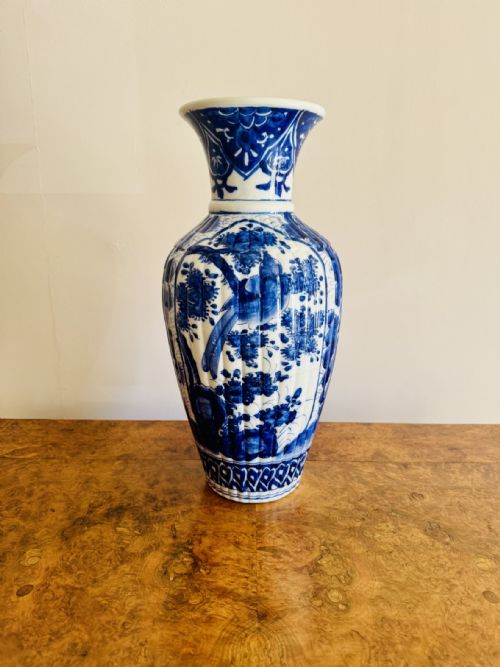
Potters utilised fine porcelain and ceramic bodies, applying cobalt underglaze to achieve the characteristic blue and white coloration beneath a clear glaze. Certain works incorporate enamel, gold leaf, and wooden elements or lacquer panels to add textural contrast.
Moulding, hand-painting, and throwing on the wheel formed the basis of production, supplemented by reticulation and sculpted details such as dragons and guardian lions. Kiln firing temperatures determined the vitrification of the porcelain and the depth of the cobalt underglaze.
Meiji Blue and White Retail Price Guide 2026
Typical asking prices for meiji blue and white among the pieces listed under this phrase on Sellingantiques today, from the lower quarter to the upper quarter. They describe what is for sale here now, not the wider market.
Materials recorded across the inventory include cobalt underglaze, gold leaf, lacquer panels, and natural wood.
Distinctions in quality
The refinement of the hand-painted brushwork sets finer examples apart, where cobalt application shows precision, depth, and control rather than hasty execution. Superior pieces exhibit crisp details in moulded or sculpted elements, such as scales on dragon vessels or reticulated patterns on koros.
The balance of the form and the clarity of the glaze influence overall desirability. Pieces retaining original elements, such as matched pairs, fitted boxes, or specialised wooden stands, demonstrate greater integrity.
Makuzu Kozan·Mikawachi Hirado
The Meiji Blue and White Glossary
- Imari
- A style of Japanese porcelain decorated in underglaze blue, iron red, and gold, named after the port from which it was shipped.
- Sometsuke
- Japanese porcelain decorated using cobalt underglaze, producing a blue and white design beneath a transparent glaze.
- Koro
- A traditional Japanese incense burner, often featuring pierced covers and decorative legs.
- Jardiniere
- A large ornamental pot or container designed to hold potted plants or flowers.
- Reticulated
- Openwork or net-like patterns carved into the ceramic body prior to firing and glazing.
Meiji Blue and White: Frequently Asked Questions
What defines meiji blue and white porcelain?
These pieces combine Japanese ceramic traditions with cobalt underglaze painting on porcelain bodies, produced during the late nineteenth and early twentieth centuries.
The category encompasses everyday wares alongside grand exhibition pieces created for both domestic use and export markets.
How were large chargers and jardinieres used?
Large chargers served as display items on walls or tables, while jardinieres held large potted plants within traditional interiors.
Their robust porcelain construction and decorative cobalt scenes made them suitable for prominent placement in reception rooms.
How do you distinguish Arita from Imari ware?
Arita refers to the production town and the broader porcelain tradition, which includes simple blue and white sometsuke pieces.
Imari represents a specific subset of Arita ware characterised by the addition of iron red and gold overglaze painting.
Where should these ceramics be placed at home?
Vessels and plates require stable display surfaces away from heavy foot traffic to protect delicate edges and raised glazes.
Natural light enhances the depth of the cobalt underglaze without exposing the porcelain to damaging direct sunlight.