

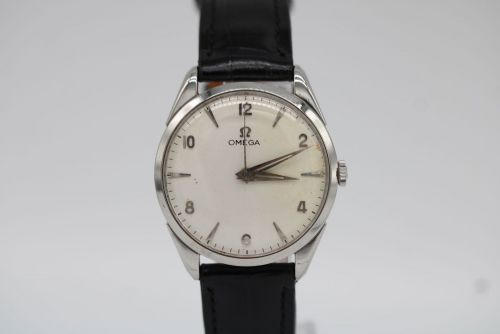


Mechanical Hand Wound Watch
A mechanical hand wound watch is a traditional timepiece powered by a mainspring that requires regular manual winding to keep time.
Mechanical Hand Wound Watch
A mechanical hand wound watch offers a tangible connection to traditional horology, relying entirely on manual energy rather than batteries. When you search for a mechanical hand wound watch, you encounter classic designs spanning the Edwardian era through the mid-century period.
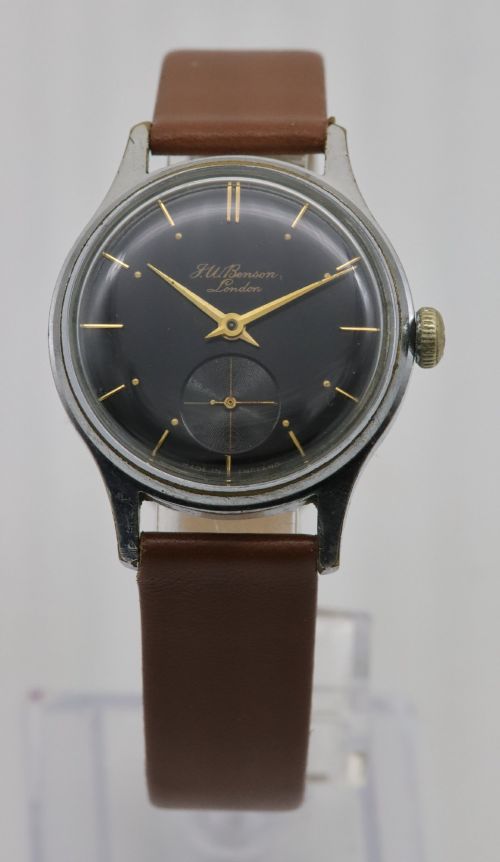
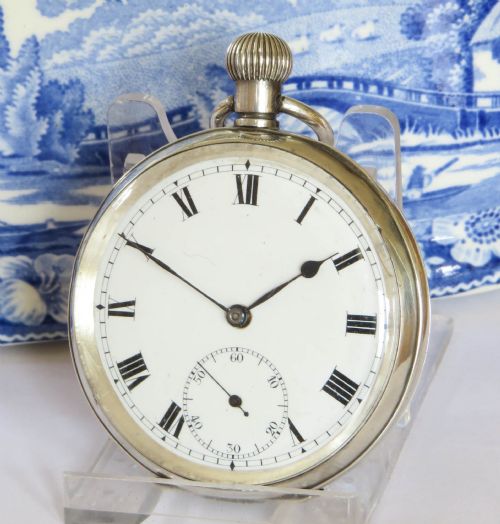
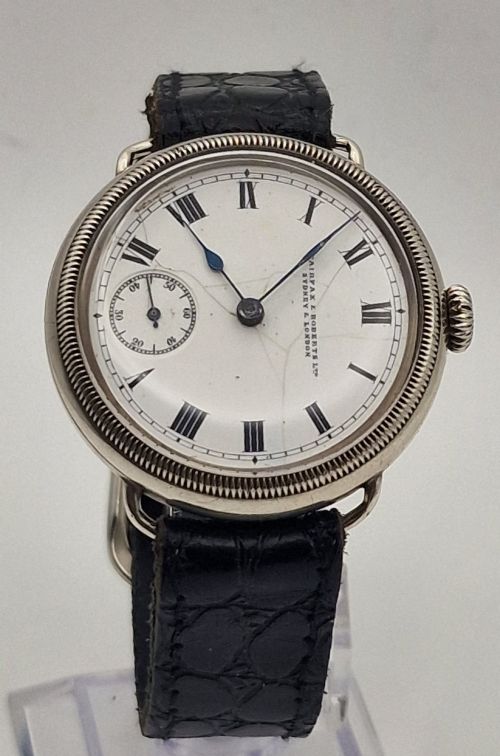
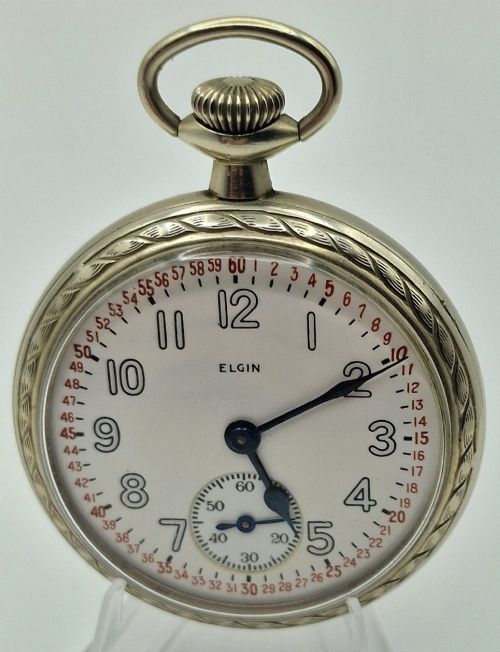
The selection ranges from pocket watches housed in silver cases to wristwatches styled with mid-century modern aesthetics or military origins. Wristwatches and pocket watches form the primary object types available in this category.
Makers such as JW Benson, Elgin, International Watch Company, Smiths, Omega, Tudor, and Rotary represent the standard origins found within these listings. Pieces typically date from the 1910s, 1940s, 1950s, and 1960s.
How they were made
Straps and attachments are commonly fashioned from leather to secure the wristwatches comfortably. Internal movements depend upon precise manual calibres designed to be wound by hand.
Mechanical Hand Wound Watch Retail Price Guide 2026
Typical asking prices for mechanical hand wound watch among the pieces listed under this phrase on Sellingantiques today, from the lower quarter to the upper quarter. They describe what is for sale here now, not the wider market.
Listings incorporate materials spanning leather, stainless steel, glass, acrylic, enamel, steel, silver, and nickel across multiple decades.
What varies in quality
The grade of materials used for the case, such as solid gold versus plated metals, sets the baseline for a watch's standing. Finer examples feature superior metal purity and robust internal calibres built by established makers.
The presence of original components and documented servicing history influences the overall standard of a timepiece. Preserved dials and authentic casings distinguish higher tier specimens from heavily altered pieces.
JW Benson·Elgin·International Watch Company·Smiths·Omega·Tudor·Rotary
The Mechanical Hand Wound Watch Glossary
- Manual wind
- A movement mechanism that requires the wearer to turn the crown by hand to tension the mainspring. This term describes watches that operate without batteries.
- Calibre
- The specific internal mechanical movement manufactured for a watch. Collectors use this term to identify the exact engineering design inside the case.
- Pocket watch
- A portable timepiece designed to be carried in a pocket rather than worn on the wrist. These pieces frequently feature protective hinged covers and silver cases.
- Wristwatch
- A timekeeping instrument secured to the wrist by a strap or bracelet. Leather and metal bands are typical for holding these wearable pieces.
- Enamel
- A glassy substance applied to metal surfaces through fusion under high heat. This material frequently provides a smooth finish for watch dials.
Mechanical Hand Wound Watch: Frequently Asked Questions
How often should I wind my watch?
Most manual wind timepieces require winding once every twenty-four to forty-eight hours to maintain continuous operation. Establishing a consistent daily routine helps preserve the tension on the mainspring.
Twisting the crown until resistance is felt ensures the spring reaches full capacity without overwind strain. Care should be taken to avoid forcing the crown past its natural stopping point.
Are these watches suitable for daily wear?
Many vintage wristwatches function well for everyday use provided they receive proper care and routine maintenance. Respecting their age means avoiding exposure to water and heavy impacts.
Pairing a vintage piece with modern attire offers a subtle elegance rooted in mid-century design. Regular servicing by a professional watchmaker keeps the internal mechanism running reliably.
How do I identify the period of a watch?
Stylistic cues such as dial typography, case geometry, and lug shapes provide initial clues regarding the decade of manufacture. Art Deco examples display geometric lines, whereas mid-century pieces favour cleaner minimalist layouts.
Maker signatures and internal movement serial numbers often allow for a more precise dating of the piece. Comparing these details against known historical production eras clarifies the timeline.
What is the difference between pocket and wrist watches?
Pocket watches are larger portable timepieces designed to slip into waistcoat or jacket pockets, often secured with a chain. Wristwatches attach directly to the arm via a strap for immediate visual access.
Both formats rely on mechanical hand wound movements but serve different practical carrying preferences. Pocket watches frequently originate from earlier periods like the Edwardian era.