


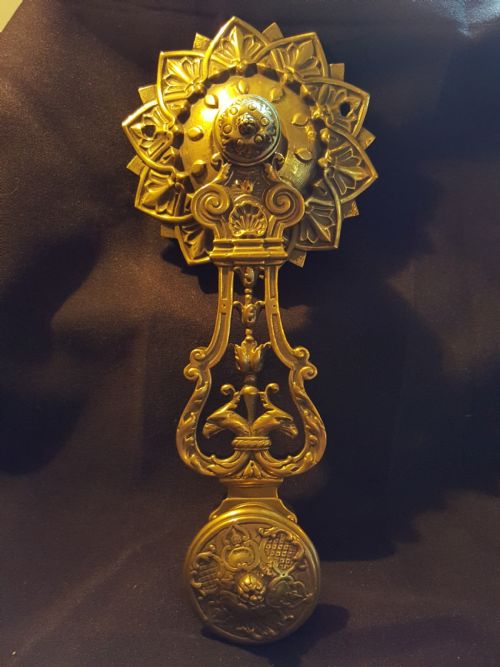
Mechanical Call Bell
These mechanical call bell pieces are heavy, dependable desk accessories that summon service with a crisp strike.
Mechanical Call Bell
A mechanical call bell is a functional desk accessory designed for counters, reception desks, and domestic service. These pieces originate from periods spanning the Georgian era through to the 1920s, with Victorian examples appearing most frequently.
The selection includes standard desk bells alongside novelty animal forms, wall bells, and heavy architectural hardware. Buyers encounter designs ranging from simple polished brass counter models to ornate French rococo revival bell ringers.
Forms vary from utilitarian servants' call systems to decorative sterling silver reception pieces intended for prominent display. Each variation serves the fundamental purpose of producing a clear ring via internal spring or plunger mechanisms.
How they were made
Construction relies heavily on cast brass, polished brass, and solid bronze, often paired with cast iron internal mechanisms for weight and durability. Metal components are cast and hand-finished to achieve either a bright polished surface or a dark patinated finish.
Higher-tier examples incorporate sterling silver plating or solid sterling silver mounts, sometimes bearing hallmarks from assay offices such as Chester. Certain distinctive models combine polished brass with natural horn or feature sculptural animal figures like pigs.
The internal spring and plunger mechanisms are engineered to deliver a sharp acoustic strike with minimal pressure. Assembly involves precise mechanical fitting to ensure the dome resonates clearly when the plunger is depressed.
One remarkably cheerful Victorian desk accessory takes the physical form of a polished pig ready to ring out for service.
What varies in quality
Quality rests primarily on the crispness of the casting detail and the resonance of the metal dome. Ornate rococo revival or novelty figural pieces demand finer foundry work than plain utilitarian desk models.
The choice of primary material elevates a piece, moving from standard cast iron and brass up to heavy sterling silver or combinations involving horn. Original surface patination and the retention of a bright, clear tone when rung distinguish superior specimens.
The Mechanical Call Bell Glossary
- Counter bell
- A stationary mechanical bell placed upon a shop counter or hotel desk to summon assistance. These devices usually feature a plunger mechanism mounted on a heavy base.
- Sterling silver
- A silver alloy containing 92.5 percent pure silver by mass, utilised for high-end novelty and reception bells. Pieces often carry hallmarks indicating the date and place of assay.
- Servants bell
- A mechanical wall or desk bell used within larger households to communicate with domestic staff. These systems range from single desk units to complex wall-mounted annunciators.
- French rococo revival
- A decorative style popular in the nineteenth century characterised by asymmetrical scrollwork, C-scrolls, and naturalistic plant motifs. Bell bases cast in this manner display intricate, flowing ornamentation.
Mechanical Call Bell: Frequently Asked Questions
How do mechanical call bells work?
These desk accessories operate through an internal spring and plunger mechanism. Pushing the top button drives a small internal hammer against the inside of the metal dome to create the sound.
The strike is instantaneous and mechanical, requiring no electricity or batteries. The weight of the heavy brass or bronze base keeps the bell stable during use.
Where were these bells used?
They served in domestic households, retail shops, hotels, and offices. Servants bells managed communication below stairs, while counter bells handled customer service.
Smaller novelty versions sat upon private writing desks or reception tables. Their placement depended entirely on the need to summon attention promptly.
How do I date a brass bell?
Dating relies on stylistic clues, manufacturing techniques, and any accompanying hallmarks. Victorian pieces often display heavy cast brass construction and distinct revival ornamentation.
Silver models frequently feature stamped assay office marks and date letters. Comparing the form and patination to known period pieces clarifies the decade of manufacture.
Are antique desk bells still functional?
Most surviving examples remain fully operational if their internal springs are intact. The robust construction of brass, bronze, and cast iron ensures long-term mechanical durability.
Gentle regular use does not harm them, provided the striking mechanism is not forced. They continue to function precisely as they did over a century ago.