

Mechanical Art Deco Timepiece
A mechanical art deco timepiece brings precision engineering together with the geometric elegance of the early twentieth century.
Mechanical Art Deco Timepiece
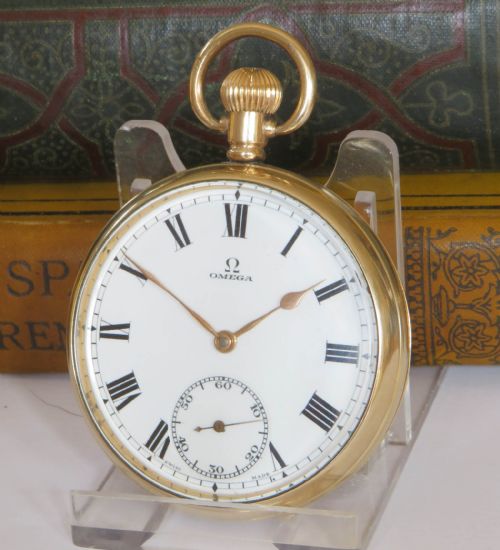
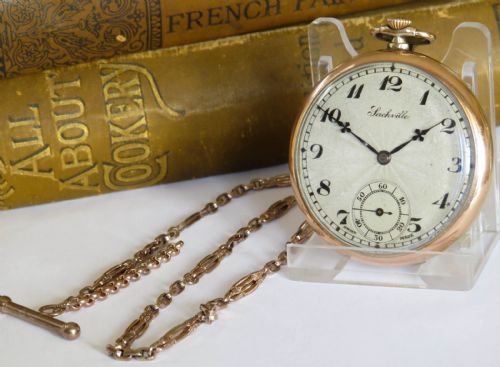
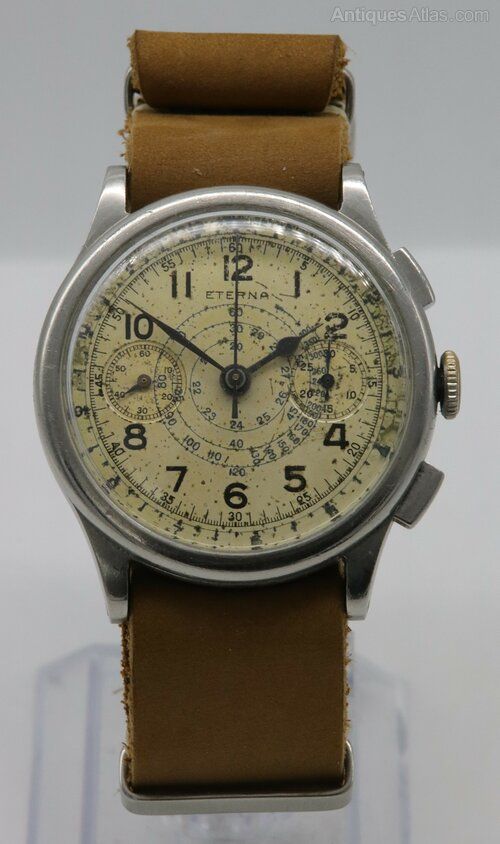
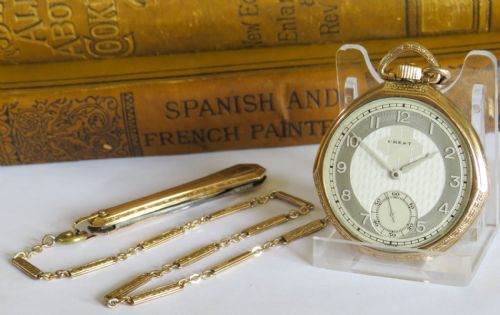
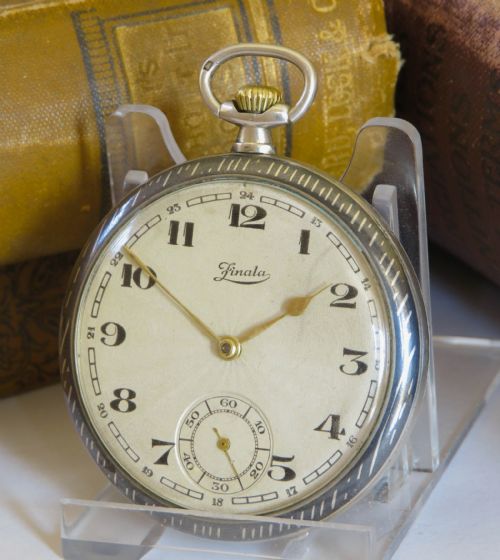
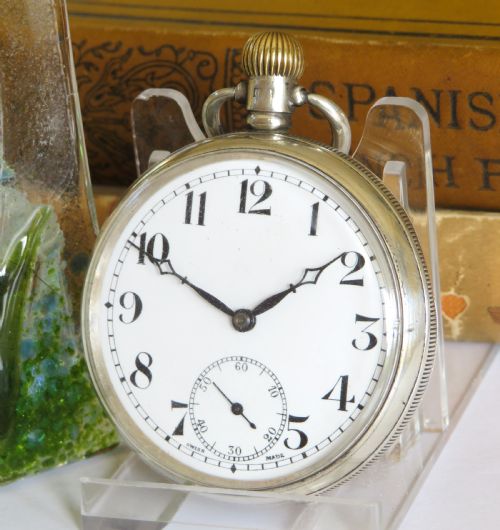
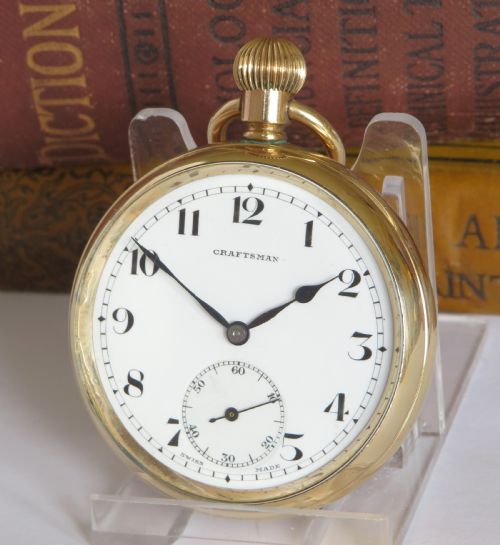
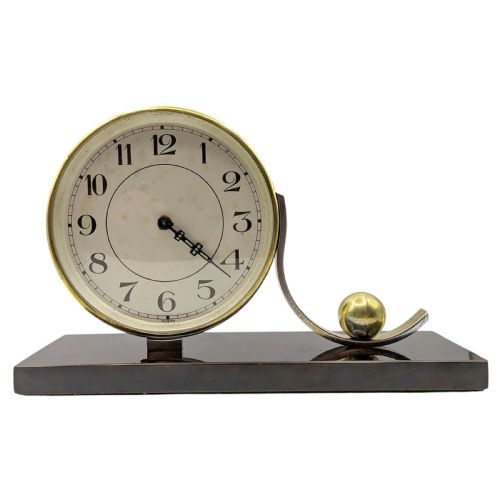
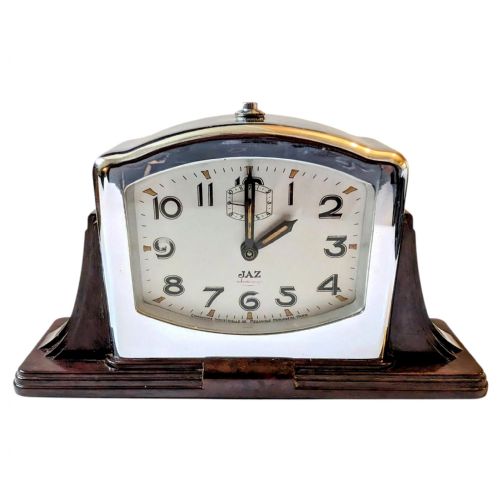
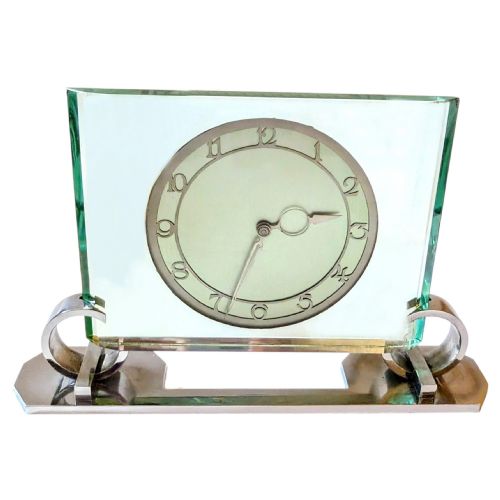
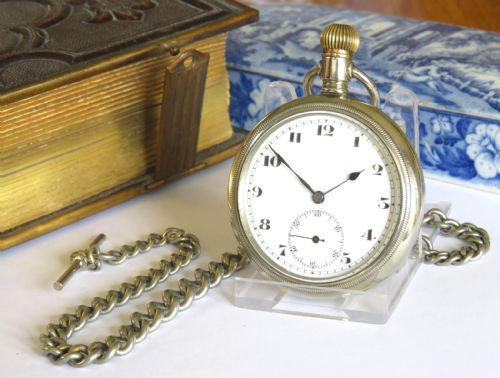
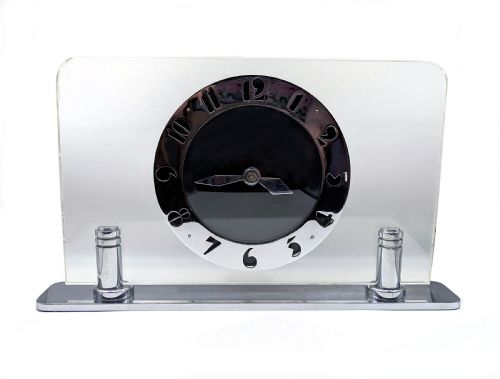
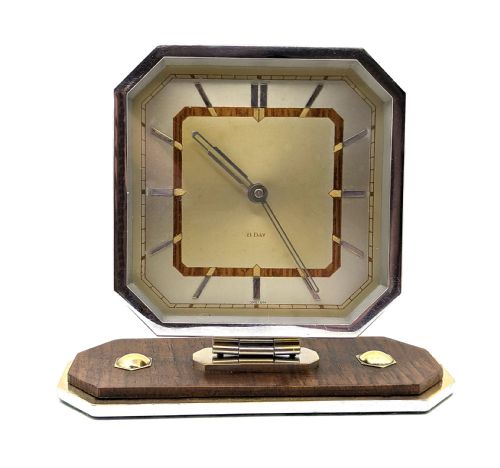
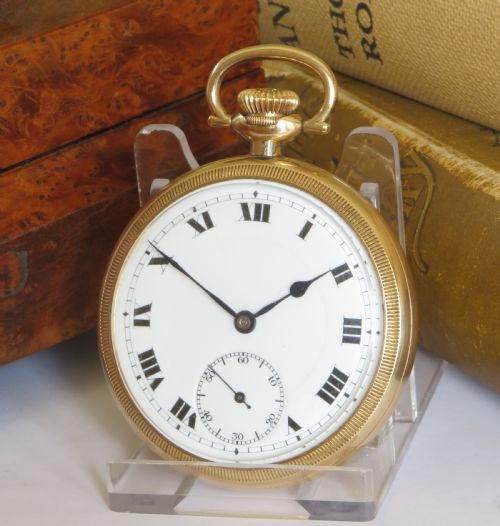
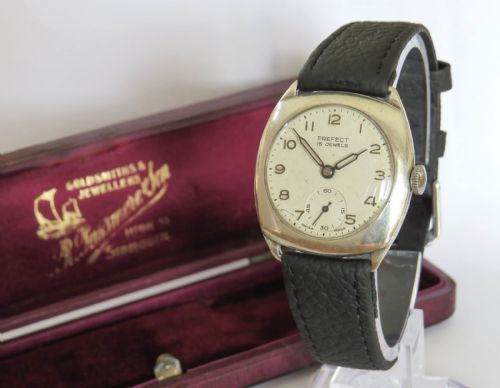
A mechanical art deco timepiece spans a variety of forms designed to measure time through manual or spring-driven movements, encompassing pocket watches, wristwatches, and desk, wall, and mantel clocks. These objects emerge predominantly from the 1920s and 1930s, though pieces span from the 1900s through to the 1960s.
Pocket watches and wristwatches dominate the smaller scale, often housed in metals such as gold plate, stainless steel, or silver, while larger domestic items appear as desk clocks, travel clocks, and wall clocks.
French, English, and Swiss makers provide the majority of these items, integrating materials like bakelite, glass, marble, and chrome into distinct geometric and modernist silhouettes.
How they were made
Makers construct these movements using brass and steel components housed within cases formed from chrome-plating, rolled gold, solid gold, or stainless steel.
Dials and bezels incorporate glass, enamel, and occasionally niello decoration, while structural bases and surrounds utilise moulded bakelite, marble, or polished walnut.
Some travel clocks fold neatly into their own leather cases, ready to keep time on the sleeper train.
What varies in quality
The sophistication of the internal movement and the reputation of the workshop dictate the standing of a piece, with established Swiss and English makers achieving greater precision.
Material selection also defines the tier, separating standard chrome-plated casings from those cast in solid gold, white gold, or fitted with specialist glass and marble housings.
Omega·Eterna·Tavannes·Silvana·Jaz·Smiths Clockmakers·Mauthe·Zenith·Elgin·Cyma·Bulova
The Mechanical Art Deco Timepiece Glossary
- Bakelite
- An early synthetic plastic used to form moulded clock cases and desk bases. It provides a distinct tactile surface and rich colour depth characteristic of the period.
- Chronograph
- A watch equipped with a stopwatch function alongside standard timekeeping. These mechanisms require intricate gear arrangements within the movement.
- Niello
- A black metallic alloy used as an inlay on engraved metal surfaces. It creates sharp contrast against silver pocket watch cases.
- Carillon
- A set of tuned bells within a clock that plays a musical chime on the hour. French wall clocks frequently utilise this acoustic setup.
- Mystery clock
- A timepiece where the hands appear to move without any visible mechanical connection to the movement. These designs rely on concealed glass discs.
Mechanical Art Deco Timepiece: Frequently Asked Questions
How do I wind a mechanical art deco timepiece?
Most pocket watches and wristwatches require a gentle rotation of the crown until resistance is felt. Desk and wall clocks use a key inserted into the dial or face to tension the internal mainspring.
Care must be taken not to overwind the spring, as this can damage the internal gearing and escapement mechanism.
Can I wear an art deco wristwatch daily?
These vintage pieces tolerate regular wear provided they receive proper care and periodic servicing. Many feature manual wind movements rather than automatic self-winding systems.
Protection from moisture and heavy impact remains essential, as vintage water resistance standards do not match modern equivalents.
What is an 8 day clock movement?
An 8 day movement refers to a clock that operates for approximately eight days on a single wind before requiring tensioning. This design reduced the frequency of winding for domestic clocks.
Such movements appear frequently in larger desk, travel, and mantel formats from this era.
How do I identify a modernist art deco clock?
Modernist pieces favour stark geometric lines, asymmetrical layouts, and industrial materials like chrome and glass over traditional floral ornamentation. Dials often feature stylised Arabic numerals and stepped bezels.
Bakelite and polished metals further emphasise the clean, machine-age aesthetic typical of the 1930s.