






Matching Side Tables
Matching side tables offer dual utility and visual symmetry, uniting function with period design.
Matching Side Tables
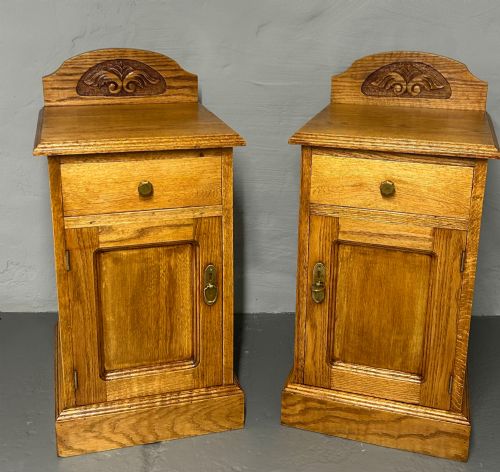
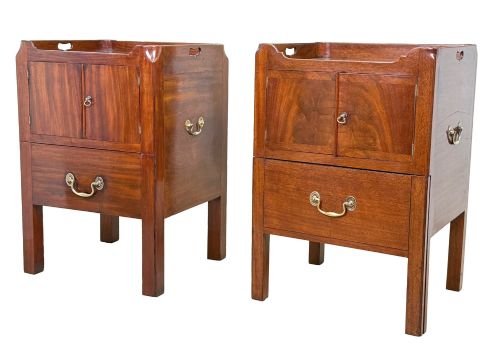
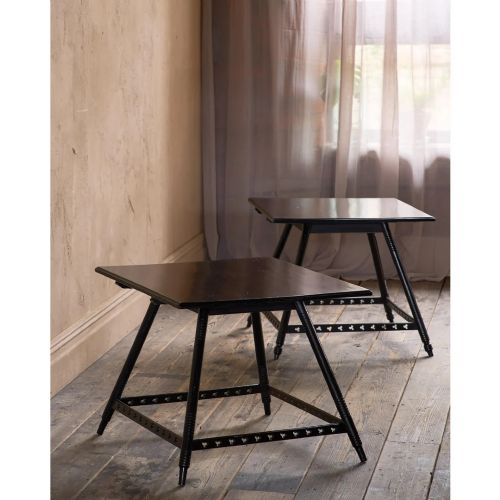
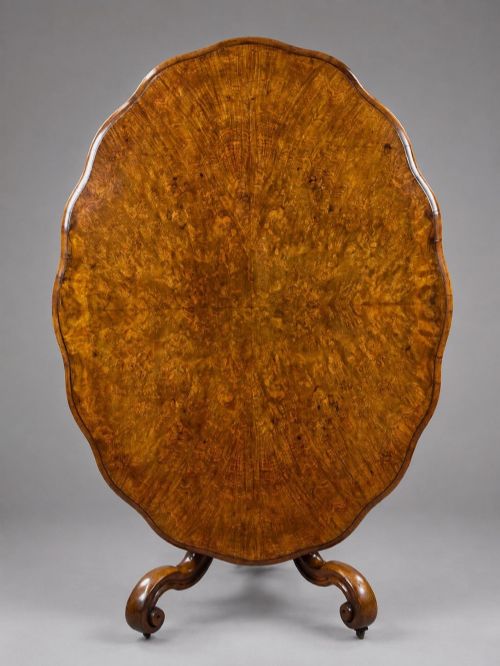
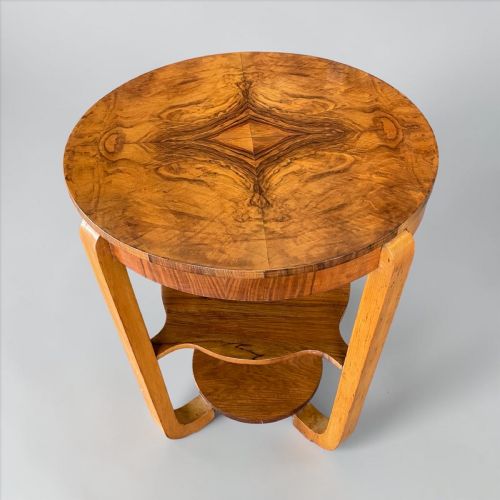
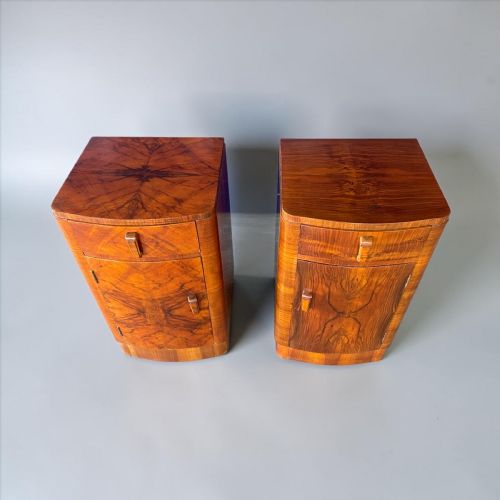
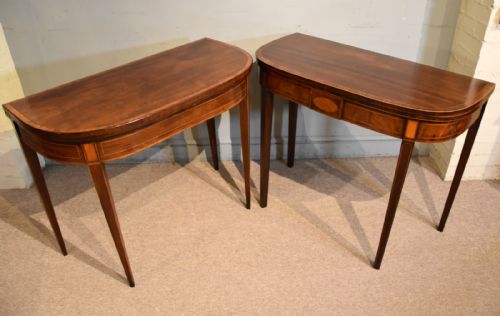
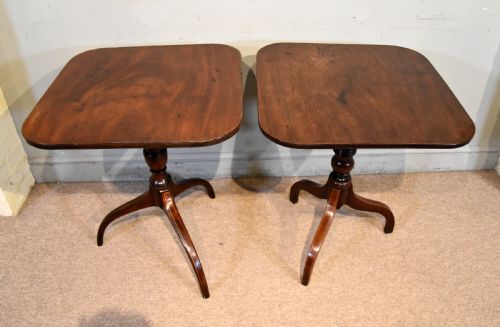
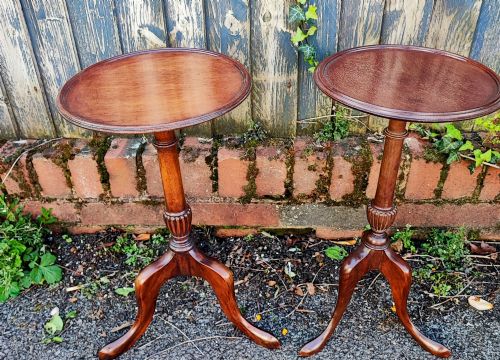
When you search for matching side tables, you encounter pairs designed to balance a room, frequently spanning bedside cabinets, occasional tables, and plant stands. The selection leans heavily into Art Deco walnut cabinetry and Regency mahogany tripod pieces.
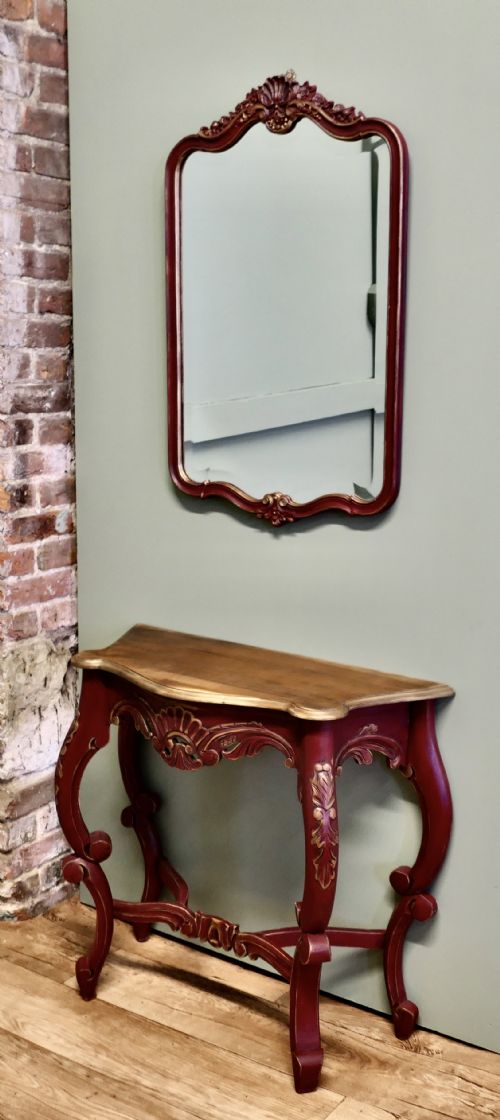
Forms range from console sets with mirrors to three-tiered modernist tiers and octagonal occasional tables. These pieces serve functional placement beside seating or beds while maintaining proportional harmony across a space.
Origins stretch from eighteenth century workshops to nineteen-thirty European studios, encompassing diverse regional cabinetry traditions. Buyers find both strict identical pairs and thoughtfully matched sets created from kindred timbers.
What varies in quality
Quality rests in the precision of the pairing and the selection of timber veneers. Sets that share identical grain movement or thoughtful matching demonstrate superior workshop execution.
Execution of decorative details like inlay, carving, and structural stability dictates the standing of a piece. Finer examples retain crisp mouldings and cohesive patination across both items in the set.
Matching Side Tables Retail Price Guide 2026
Typical asking prices for matching side tables among the pieces listed under this phrase on Sellingantiques today, from the lower quarter to the upper quarter. They describe what is for sale here now, not the wider market.
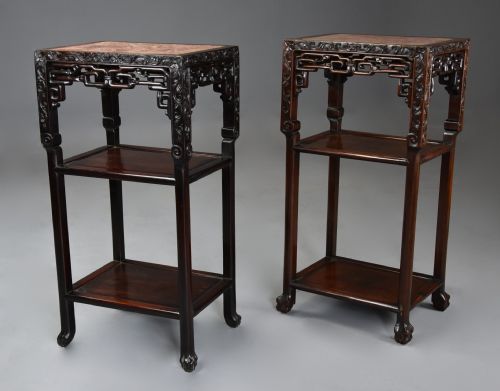
Listings feature woods such as mahogany, walnut, maple, oak, and Chinese hardwood across periods spanning the eighteenth through the twentieth centuries.
Liberty & Co·Gillows·Hille
The Matching Side Tables Glossary
- Matched pair
- Two separate items sharing period, form, and material that were brought together to function as a pair. They exhibit strong visual harmony despite originating from independent commissions.
- Burr walnut veneer
- Thin slices of decorative burr wood applied to a stable core timber. This technique produces swirling, organic grain patterns prized in cabinet making.
- Tripod table
- A small freestanding table supported by a central pillar above three splayed legs. This form gained prominence during the Georgian and Regency eras.
- Hongmu
- A traditional Chinese term for dense hardwoods used in fine furniture. These timbers offer exceptional weight and dark coloration.
- Etagere
- A set of open shelves for displaying small objects or books. These tiered structures provide vertical storage within compact floor footprints.
Matching Side Tables: Frequently Asked Questions
How do I style matching tables?
Place matching tables symmetrically to anchor a bed or a pair of armchairs. Ensure lamps or decorative objects share similar scale to maintain the visual balance.
Allow enough clearance around each piece so the pair reads as a deliberate focal point rather than cluttering the layout.
Are matched pairs original?
Matched pairs often consist of individual pieces created around the same time that share identical dimensions, timbers, and aesthetic qualities. Dealers curate these items together because their pairing enhances the room.
Examine the secondary woods and construction methods to confirm the pieces belong to the same era and workshop tradition.
How do I care for wood surfaces?
Dust timber surfaces regularly with a soft cloth and avoid placing them in direct sunlight. Maintaining stable room humidity prevents the timber and veneer from drying out.
Apply a quality wax periodically to nourish the polish and protect the grain from minor marks.
What defines Art Deco tables?
Art Deco tables feature streamlined geometries, smooth surfaces, and rich veneers like burr walnut or elm. Designers embraced modern simplicity while celebrating luxurious materials.
These pieces often incorporate tiered structures, tambour doors, or cylindrical cabinet bodies suited to nineteen-thirty interiors.