




Matched Dining Chairs
Matched dining chairs bring together gathered seating sets that share a consistent period, timber or style.
Matched Dining Chairs
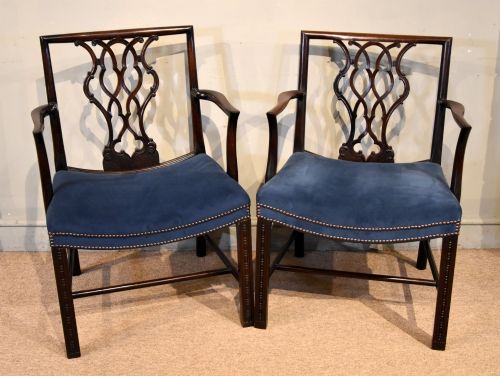
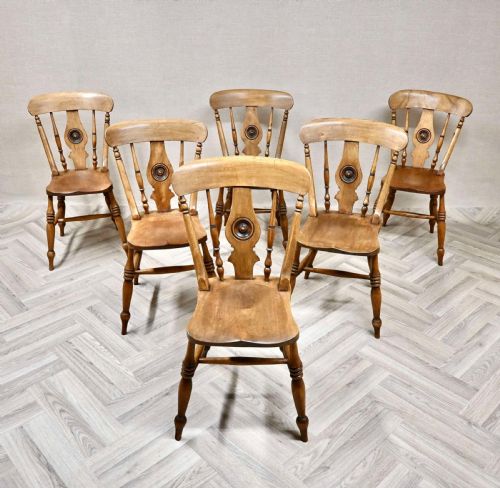
Matched dining chairs comprise sets and pairs gathered from various origins, bringing together pieces that share a common timber, period or design lineage rather than leaving the room disjointed. Buyers searching for matched dining chairs will encounter everything from modest kitchen country seats to formal mahogany suites.
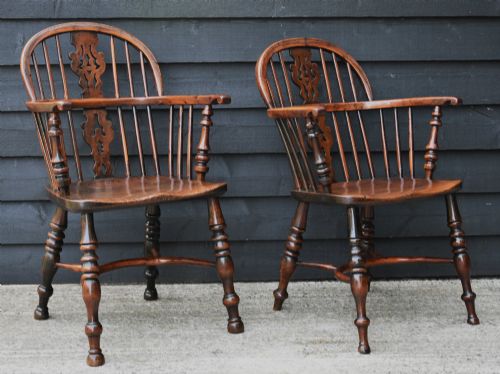
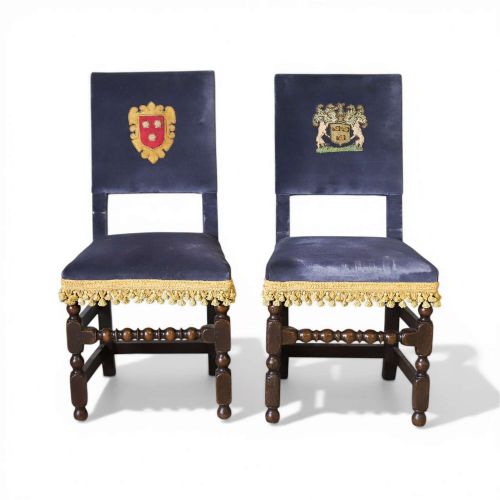
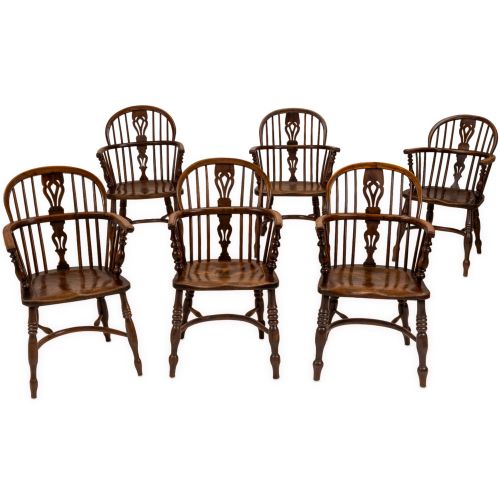
The selections span English country styles, 17th-century Scottish craftsmanship, Georgian forms and later revival pieces. Windsor designs in yew and elm sit alongside mahogany sets and bentwood bistro chairs.
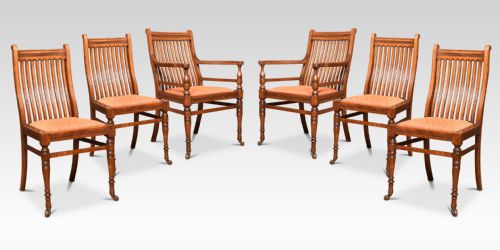
Armchairs, side chairs and larger suites appear across the periods, allowing buyers to seat gatherings of various sizes around a table with a cohesive visual theme.
Materials and construction
Timbers such as mahogany, oak, yew, elm, beech and brass define the construction of these seats, often paired with upholstery in velvet, silk damask or plain fabric. Wood turners utilised local hardwoods for country models, while urban cabinet makers shaped dense mahogany for formal dining rooms.
Construction methods range from traditional Windsor framing with crinoline stretchers to sturdy mortise and tenon joints in oak and mahogany frames. Bentwood techniques appear in lighter bistro models, relying on steam to curve the timber into resilient shapes.
Matched Dining Chairs Retail Price Guide 2026
Typical asking prices for matched dining chairs among the pieces listed under this phrase on Sellingantiques today, from the lower quarter to the upper quarter. They describe what is for sale here now, not the wider market.
Periods represented span from the 17th century through the Georgian and Victorian eras up to 1930.
Evaluating quality and cohesion
Quality rests upon the precision of the matching process, the integrity of the timber and the fidelity of the period details. A set where proportions, patination and wood grain align closely demonstrates superior curation compared to groups hastily gathered together.
The depth of carving, the stability of the joinery and the original condition of the wood surfaces distinguish finer examples. Finer sets maintain uniform wear and consistent timber selection across every chair in the group.
Gillows·James Shoolbread
The Matched Dining Chairs Glossary
- Windsor chair
- A wooden chair built with a solid sculpted seat into which the legs and back spindles are separately bored and wedged. These chairs often feature yew or elm construction.
- Armchair
- A chair with supports for the arms, frequently used as the head seat at a dining table. They complement matching side chairs.
- Crinoline stretcher
- A bent metal or wooden reinforcer linking the legs of a chair together in a continuous curve. It provides extra rigidity to the lower frame.
- Side chair
- An upholstered or wooden chair built without armrests, designed specifically for dining tables. These make up the majority of larger matched sets.
- Damask
- A reversible figured fabric woven on a jacquard loom with patterns visible on both sides. Silk damask appears on formal revival dining seats.
Matched Dining Chairs: Frequently Asked Questions
How do I choose matched dining chairs?
Begin by assessing the size of your dining table and the number of diners you need to seat regularly. Consider whether you prefer the rustic charm of yew and elm kitchen chairs or the formal elegance of mahogany.
Check that the height and arm clearance of the chairs suit your table surface. Cohesion in timber tone or period style will tie the room together effectively.
Can I mix armchairs with side chairs?
Pairing armchairs with side chairs is a traditional arrangement for dining rooms. The armchairs typically sit at the head and foot of the table, while side chairs line the lengths.
Ensure the seat heights match so all diners sit at a comfortable level relative to the tabletop. Matching wood types or upholstery will maintain visual harmony.
How do I care for antique wooden chairs?
Keep wooden dining chairs away from direct heat sources and strong sunlight to prevent the timber from drying out or splitting. Dust them regularly with a soft, dry cloth.
Apply a traditional wax polish occasionally to nourish the grain and protect the finish. Avoid using modern silicone sprays that can damage antique surfaces over time.
What defines a matched set?
A matched set consists of individual chairs that share identical design characteristics, timber, period and proportions. They may have been gathered together later rather than sold as one original workshop batch.
Look for consistent patination, similar turning details and uniform dimensions across the group. This ensures the seating looks intentional around the dining table.