

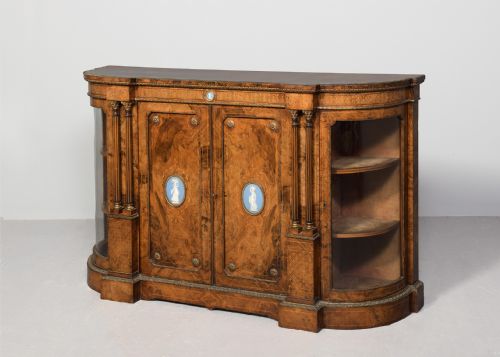


Marquetry Parlor Cabinet
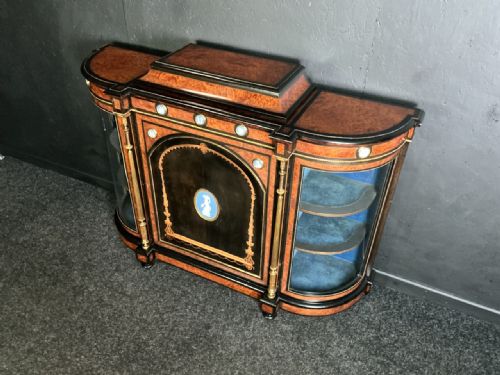
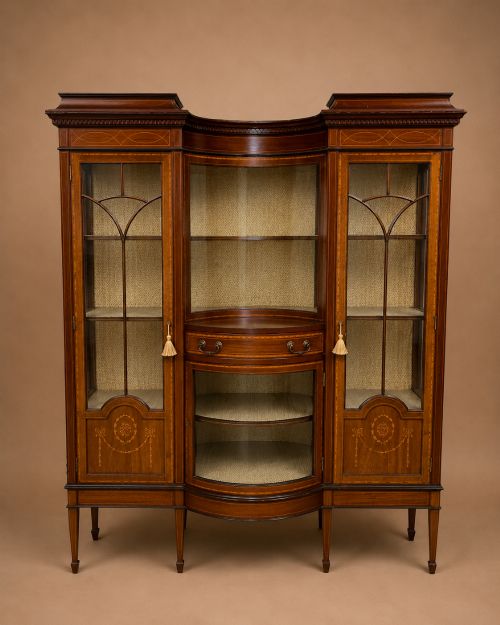
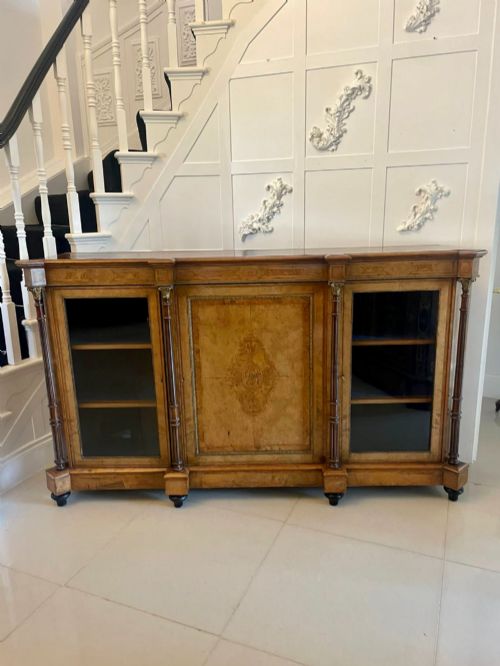
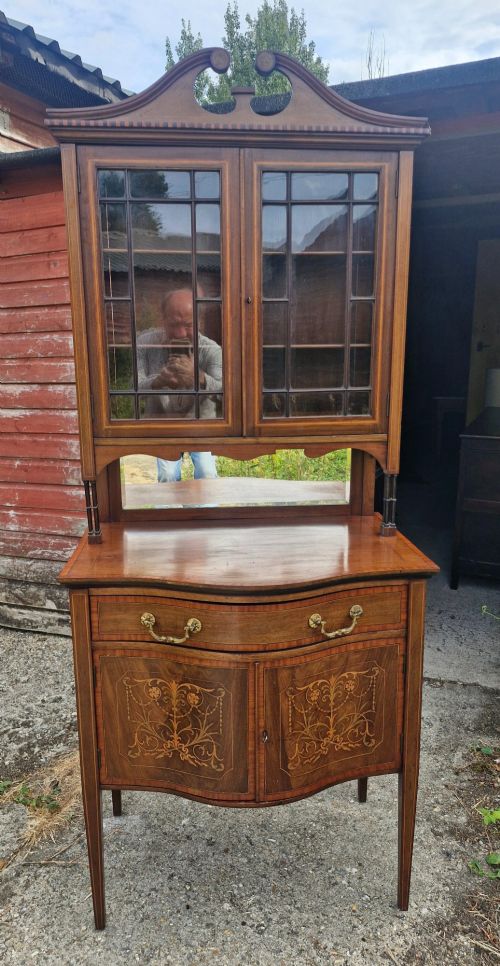
These marquetry parlor cabinet pieces bring intricate inlaid wood and glass display space into a room, originating mostly from Victorian and Edwardian periods.
Marquetry Parlor Cabinet
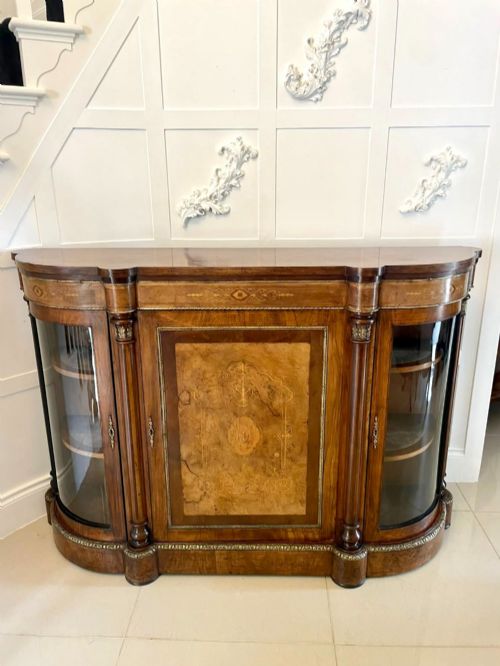
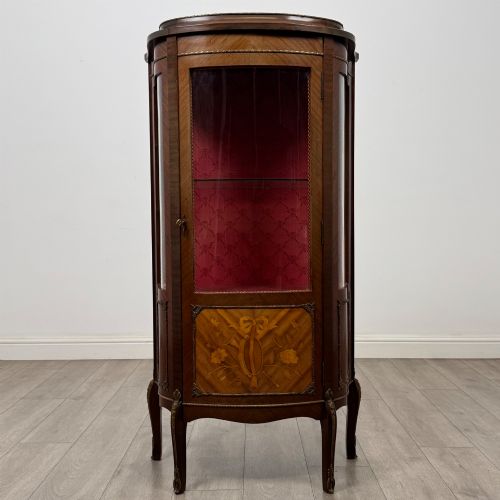
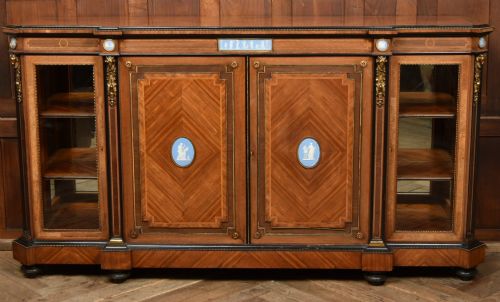
A marquetry parlor cabinet serves as a display piece or credenza for a reception room, combining storage with decorative wood surfaces. These items appear primarily in Victorian and Edwardian periods, stretching from the mid nineteenth century into the early twentieth century.
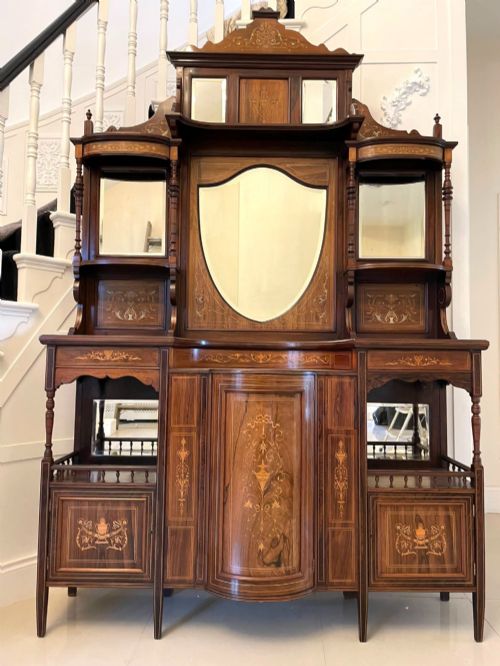
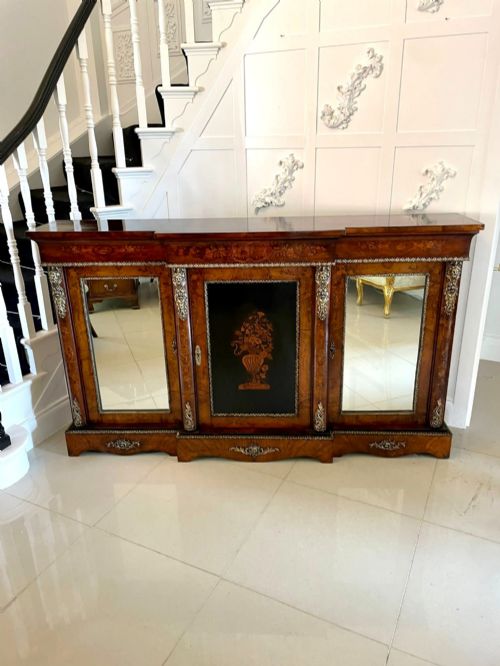
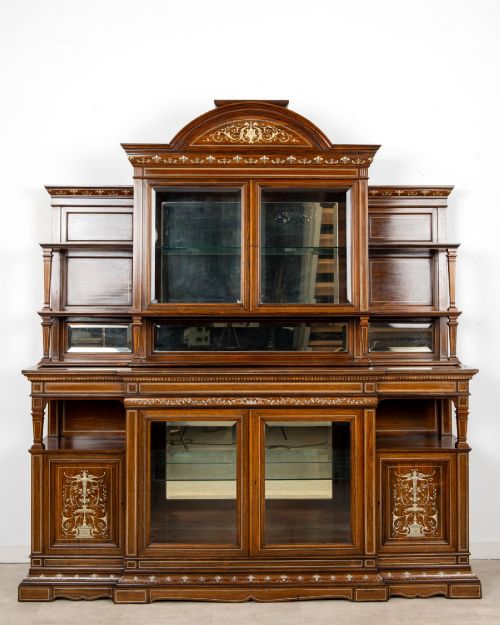
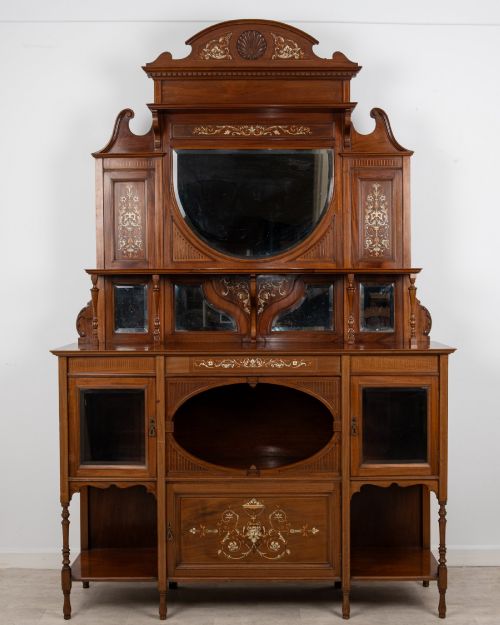
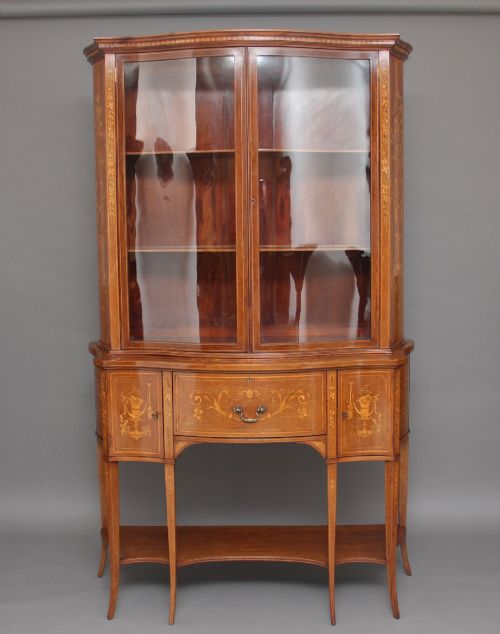
The form shifts between low credenzas, side cabinets, and taller display cabinets with glass doors or mirror backs. Burr walnut, rosewood, and mahogany provide the primary carcases for these parlor furnishings.
How they were made
Cabinet makers utilised dense timbers like rosewood, mahogany, and burr walnut as the structural base for intricate wood veneers. Satinwood and other contrasting timbers were cut and fitted by hand into floral or geometric marquetry patterns across the doors and panels.
Mounts in cast brass and ormolu often accent the corners, while internal elements incorporate glass shelving, velvet lining, and occasionally a fitted writing drawer. Mirror glass forms the backing of several display variations, reflecting light through the cabinet.
Listings feature marquetry parlor cabinets constructed from rosewood, burr walnut, and mahogany, spanning the Victorian and Edwardian eras.
What varies in quality
The precision and complexity of the wood inlay determine the standard of a marquetry parlor cabinet, alongside the choice of figured burr veneers. Cabinets designated as exhibition quality display finer hand-cut details and more elaborate ormolu mounts than standard utility pieces.
The structural integrity of the timber carcase and the retention of original glass, brass hardware, and interior mirrors dictate the condition and overall integrity of surviving examples from the nineteenth century.
Collinson & Lock·Edwards & Roberts
The Marquetry Parlor Cabinet Glossary
- Marquetry
- Decorative veneer work formed by fitting together small pieces of wood, ivory, or metal to create pictorial or geometric designs on a furniture surface. This technique defines the visual character of parlor cabinets.
- Credenza
- A low dining or parlor cabinet, frequently fitted with doors and central display sections, popular throughout the Victorian era. These pieces often incorporate mirrored backs and ormolu mounts.
- Ormolu
- Gilded bronze ornamentation applied to furniture mounts and feet during the nineteenth century. It adds metallic contrast to dark woods like rosewood and walnut.
- Burr walnut
- Wood taken from the wart or burl of a walnut tree, yielding swirling grain patterns prized by cabinet makers. It forms the primary surface for many mid Victorian credenzas.
- Chiffonier
- A low sideboard or cabinet featuring shelves or a small superstructure on top. The form provides enclosed storage beneath a display surface.
Marquetry Parlor Cabinet: Frequently Asked Questions
Where were parlor cabinets placed?
These cabinets sat in Victorian and Edwardian reception rooms or parlors to display decorative ceramics and glassware.
Their glass doors and mirrored backs helped brighten formal sitting spaces by reflecting natural window light.
How do I date a cabinet?
Dating relies on timber choices, stylistic cues, and construction methods recorded across the Victorian and Edwardian periods. Burr walnut and heavy ormolu mounts typically point to mid nineteenth century production, while lighter mahogany and satinwood inlay often indicate Edwardian work.
Art Nouveau and Aesthetic Movement pieces introduce distinct linear motifs that separate them from standard revival styles.
What is the difference between a credenza and a display cabinet?
A credenza is typically a low, wide sideboard or cabinet designed with central and side cupboards, sometimes featuring a mirror back. A display cabinet stands taller with glass panels intended primarily for viewing collections.
Both forms utilise fine marquetry and timber veneers across their exterior surfaces.
How do I care for antique marquetry?
Preserving these surfaces requires stable room temperatures away from direct sunlight and excessive humidity. Regular dusting with a dry cloth protects the delicate veneer and inlaid timber details.
Wax polishing should happen sparingly to maintain the natural finish on walnut, rosewood, and mahogany.