






Marquetry Games Box
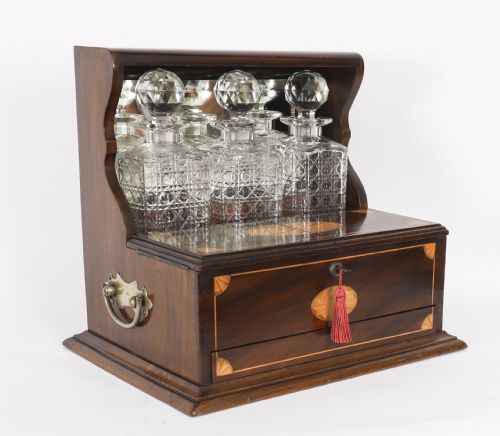
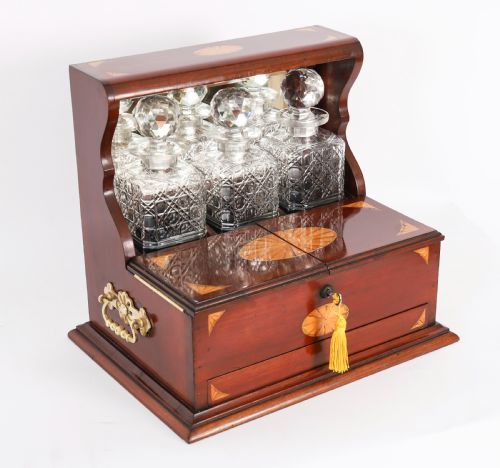
A marquetry games box brings together intricate wood inlay and traditional tabletop pastimes, offering a tactile focal point for any study or drawing room.
Marquetry Games Box
A marquetry games box combines decorative wood veneers with compartments designed for pastimes like chess, backgammon, and cribbage. These pieces span the nineteenth century, with Victorian examples appearing frequently alongside earlier Regency work.
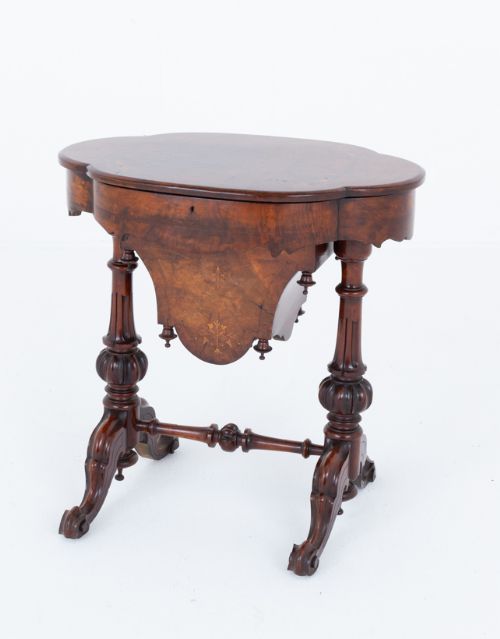
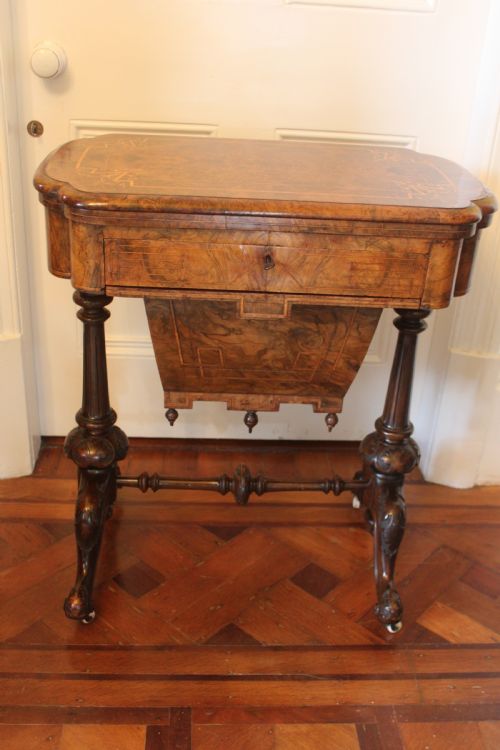
Many items function as multi-purpose furniture, merging sewing tables, work tables, and occasional tables with dedicated gaming surfaces. Interiors often conceal fitted compartments for cards, counters, and bone pieces.
Portable formats also exist, ranging from travel boards to smaller wooden cribbage boxes and card boxes. Olive wood, mahogany, and burr walnut serve as common foundations for the intricate surface patterns.
Materials and construction
Marquetry and parquetry techniques involved applying fine veneers of contrasting woods like boxwood to create geometric patterns or pictorial scenes. Inlay work often incorporated brass lines or detailed Tunbridge Ware motifs to accentuate the lids and borders.
Marquetry Games Box Retail Price Guide 2026
Typical asking prices for marquetry games box among the pieces listed under this phrase on Sellingantiques today, from the lower quarter to the upper quarter. They describe what is for sale here now, not the wider market.
Some travel sets hide tiny bone pegs so expertly that unsuspecting guests might mistake the cribbage board for a miniature chest of drawers.
Assessing quality and execution
The precision of the wood inlay dictates much of the visual success, with superior pieces showing tight joints between contrasting timbers and minimal filler. The choice of base timber also matters, as heavily figured burr walnut or select olive wood elevates the status of the object.
Internal fittings influence the utility and desirability of the piece, particularly where original bone gaming pieces, cribbage boards, or silk-lined sewing compartments remain intact. The integration of complex multi-function mechanisms demonstrates the skill of the original workshop.
The Marquetry Games Box Glossary
- Marquetry
- Decorative veneer applied to a wooden structure in patterns or pictures using different coloured woods. This technique requires immense precision to ensure tight fits between individual pieces.
- Parquetry
- Geometric mosaic of wood pieces used for floors and box lids. It relies on regular shapes like triangles and squares to form repeating patterns.
- Tunbridge Ware
- Small wooden objects decorated with characteristic mosaic woodwork produced in Kent. Makers glued thousands of tiny tinted wood blocks together to form pictorial motifs.
- Burr Walnut
- Timber taken from a tree growth featuring distorted grain, highly prized for veneer. Its rich, mottled pattern makes each box surface entirely unique.
- Cribbage Box
- A small container specifically built to hold cribbage pegs and cards, often featuring a sliding lid with drilled scoring tracks. These appear frequently in nineteenth-century formats.
Marquetry Games Box: Frequently Asked Questions
What games were played with these boxes?
Nineteenth-century households typically used these boxes for chess, backgammon, cards, and cribbage. Many designs incorporated reversible boards or removable trays to accommodate multiple pastimes within a single compact unit.
Interior compartments kept playing pieces, bone counters, and dice organised when the table or box was closed.
How do I date a marquetry games box?
Dating relies on timber choices, construction methods, and stylistic cues such as Regency geometric parquetry or Victorian burr walnut finishes. Nineteenth-century examples often exhibit specific hardware styles and dovetailing techniques characteristic of the period.
Consulting the secondary woods inside drawers and examining the type of veneer ground can also narrow down the decade of manufacture.
Are the gaming pieces usually original?
Some surviving boxes retain their original bone or wooden pieces, while others have been matched with period replacements over time. Complete sets with matching counters and markers enhance the integrity of the piece.
Buyers should examine whether internal compartments match the exact scale of the included accessories.
How should I care for burr walnut surfaces?
Walnut veneers respond best to stable indoor humidity and protection from direct sunlight, which can fade the warm tones of the timber. Regular dusting with a soft, dry cloth maintains the finish without the need for heavy modern polishes.
Waxing occasionally helps nourish old timber and preserves the lustre of the marquetry details.