
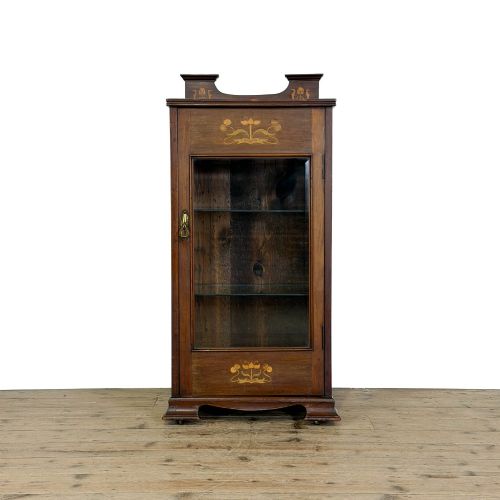
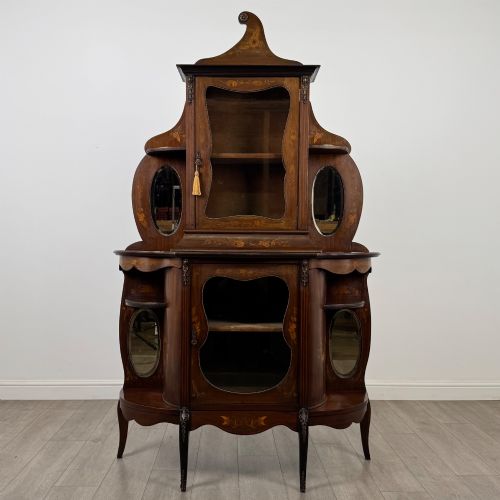
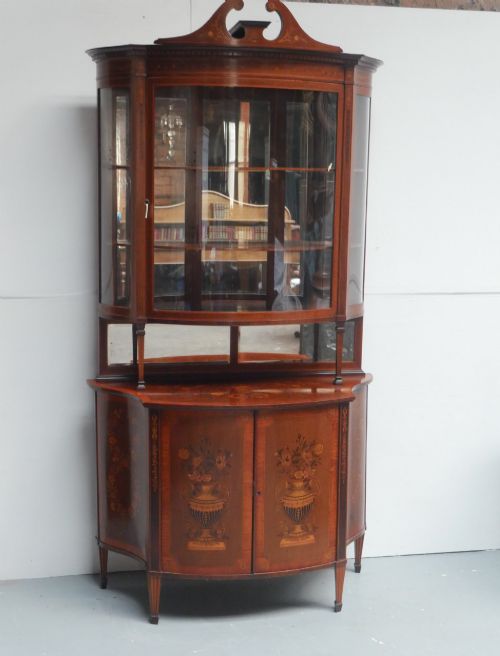
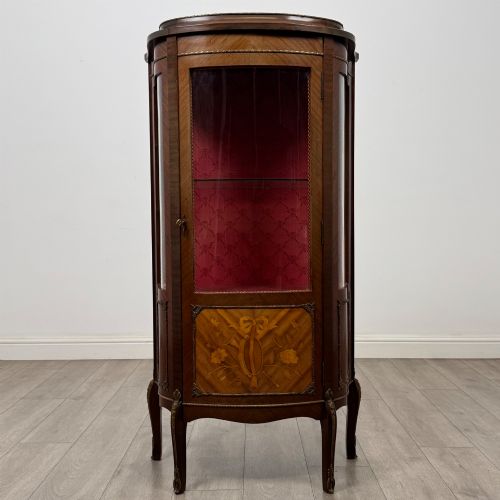

Marquetry Curio Cabinet
A marquetry curio cabinet brings together intricate wood inlay and glazed display space to showcase cherished objects with traditional craftsmanship.

Marquetry Curio Cabinet
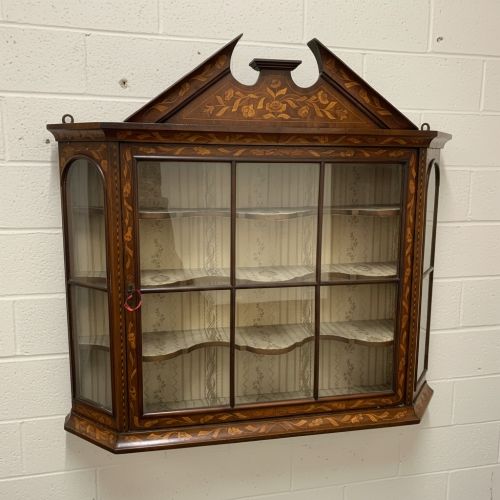
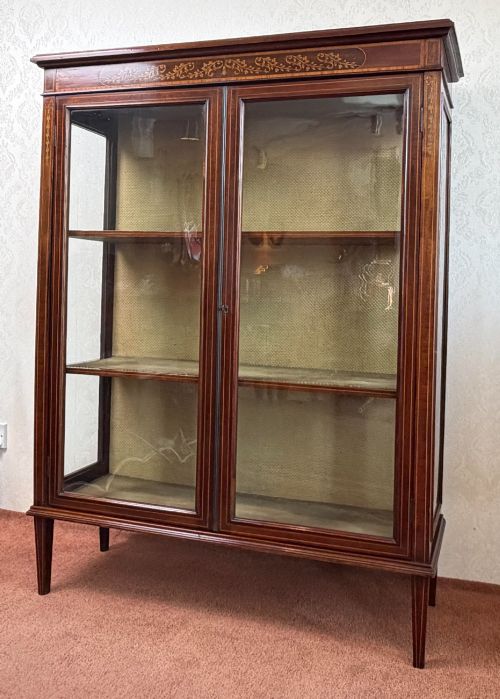
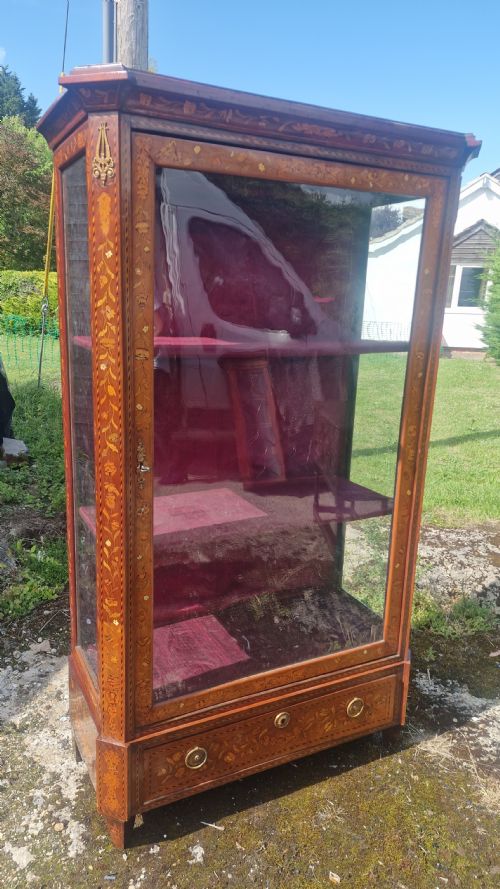
A marquetry curio cabinet serves to house and display small collections behind glass doors or panels. The pieces meeting this search phrase appear predominantly in Edwardian and nineteenth-century forms, alongside select eighteenth-century Dutch examples.
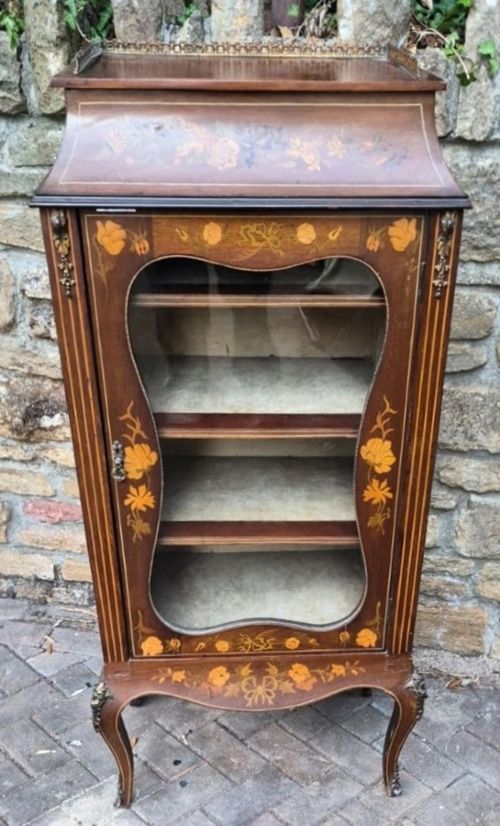
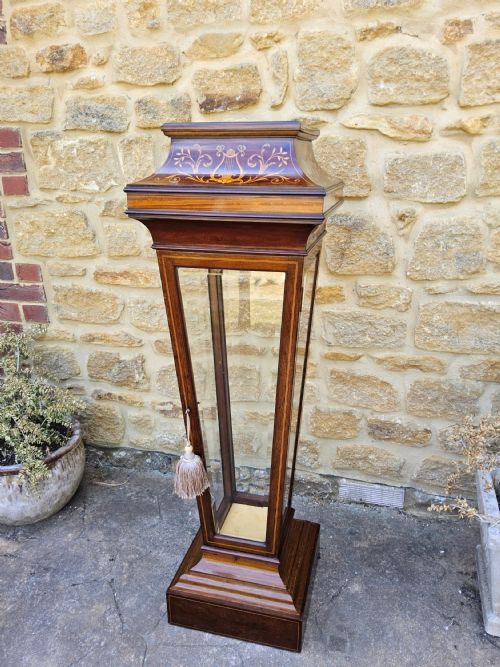
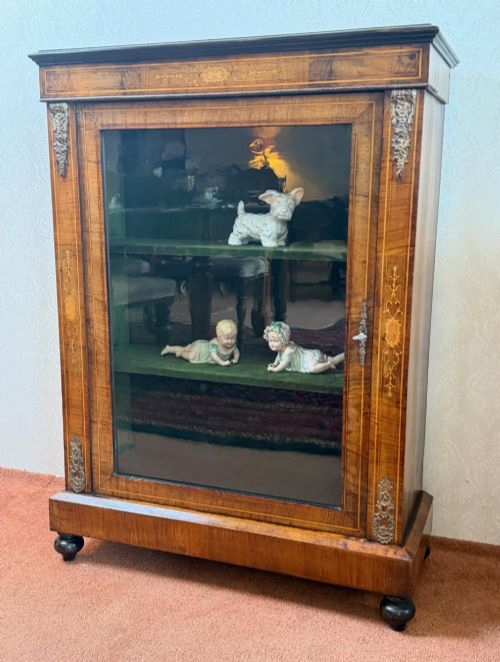
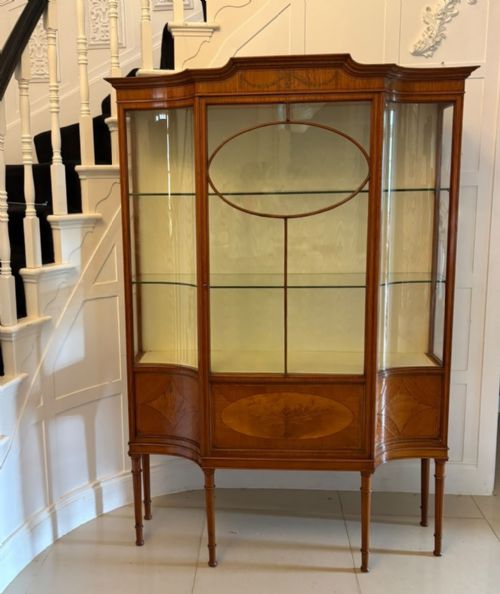
Makers and workshops constructed these glazed enclosures in various formats, ranging from standing cabinets and wall-mounted units to pedestal designs and low bijouterie tables. Mahogany, kingwood and satinwood provide the primary carcases for these display pieces.
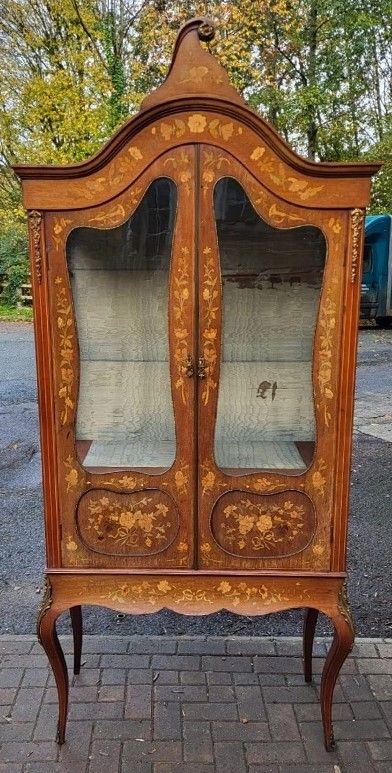
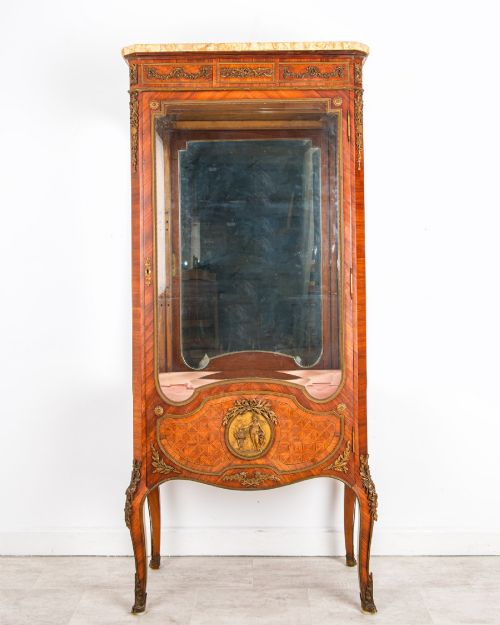
Stylistic influences span from Edwardian Sheraton revivals to French Louis XV and Louis XVI styles, incorporating elaborate floral inlay and parquetry patterns. The interior compartments accommodate fragile porcelain, glassware and small decorative items.
Materials and construction
Cabinet makers utilised dense hardwoods such as mahogany, walnut and kingwood as the structural base for each marquetry curio cabinet. Satinwood and fruitwood veneers provided contrasting tones for the intricate floral and geometric inlay work across the doors and panels.
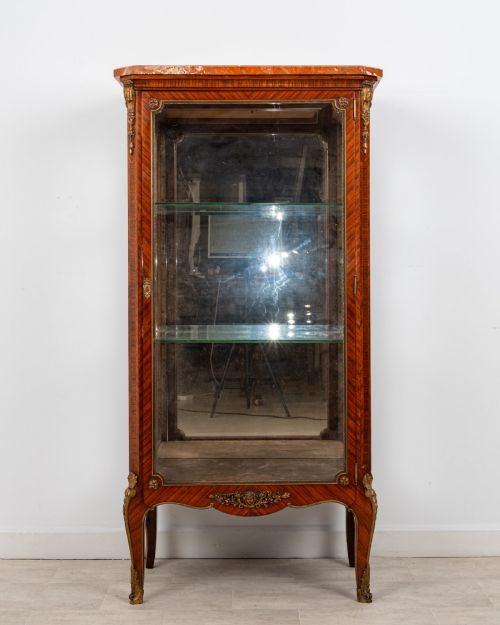
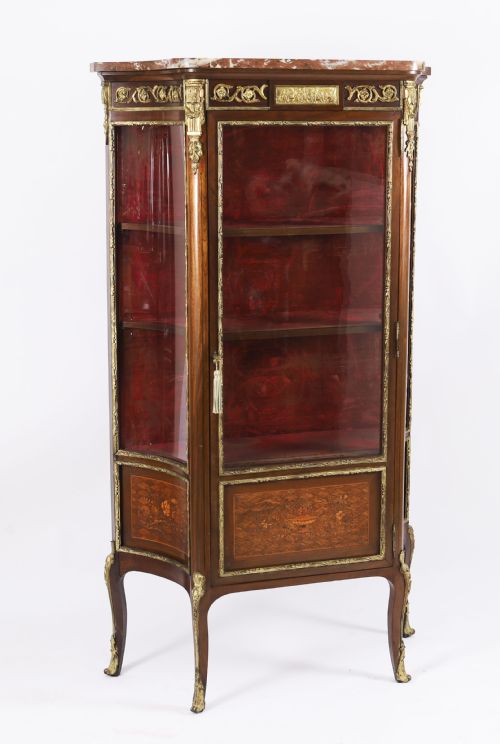
Gilt bronze or ormolu mounts frequently accent the corners, legs and borders of French-inspired pieces, complementing the polished timber surfaces. Glazed panels are fitted into wooden frames, sometimes accompanied by marble tops on nineteenth-century vitrines.
Design influences span across Edwardian Sheraton revivals, French Rococo styles, Dutch Baroque forms and early twentieth-century interpretations.
Assessing quality
The precision of the veneer work dictates the standing of a marquetry curio cabinet, with tighter joints and subtler grain selection separating finer examples from simpler production. The crispness of the ormolu mounts and the weight of the timber framing also reflect the original workshop standards.
Signed pieces by established makers carry greater distinction through their superior proportions and advanced cabinet-making techniques. The integration of curved serpentine fronts and heavy brass or bronze mounts further elevates the character of the construction.
Edwards & Roberts·François Linke·G. Durand
The Marquetry Curio Cabinet Glossary
- Marquetry
- Decorative veneer work arranged in pictorial or geometric patterns using various coloured woods. This technique adorns the main panels and doors of the cabinet.
- Vitrine
- A glass-fronted display cabinet designed for exhibiting fine porcelain and curiosities. Many examples feature glazed sides to maximise light penetration.
- Ormolu
- Gilt bronze mounts applied to the exterior angles and feet of furniture. It serves to highlight the contours of French revival pieces.
- Parquetry
- Geometric mosaic woodwork formed by small pieces of veneer laid in repeating patterns. It differs from floral marquetry through its strict linear geometry.
- Bijouterie table
- A glass-topped display table intended for holding jewellery and small collectables. These items often share stylistic traits with taller curio cabinets.
Marquetry Curio Cabinet: Frequently Asked Questions
Where should I place a marquetry curio cabinet?
Position your cabinet away from direct sunlight to protect delicate wood veneers and inlaid surfaces from fading over time. Ensure the floor is level so the glazed doors hang true and latch correctly.
Allow sufficient clearance around the piece for opening doors and viewing contents comfortably within your room scheme.
How do I clean a marquetry curio cabinet?
Dust the exterior timber gently with a soft, dry cloth to prevent the accumulation of grit in the veneer joints. Avoid modern silicone polishes and instead rely on traditional beeswax applied sparingly.
Clean the glass panels using a mild solution on a cloth rather than spraying directly onto the frame, which risks moisture damage to the antique wood.
What items belong in a curio cabinet?
These cabinets traditionally house small porcelain figurines, delicate glassware, pocket watches and treasured family souvenirs. The glass shelves keep dust away from fragile collections while offering all-round visibility.
Arrange objects with taller pieces at the rear and smaller items forward to create depth and balance within the enclosed display space.
How do I identify a revival style?
Revival pieces draw inspiration from earlier historical periods such as the reign of Louis XV or Sheraton designs of the eighteenth century. Makers working in the nineteenth and twentieth centuries adopted these classical proportions and ornamental motifs.
Look for machine-sawn veneers and nineteenth-century hardware beneath the historical styling to confirm the actual date of manufacture.