

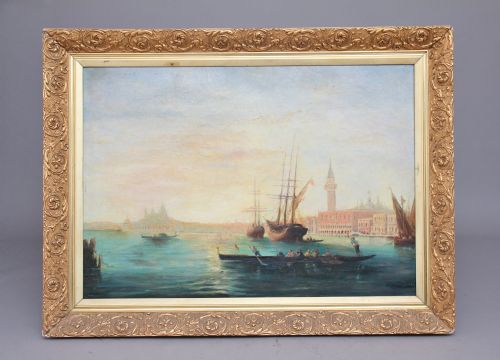
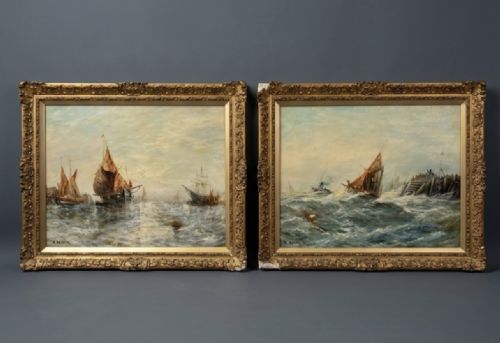
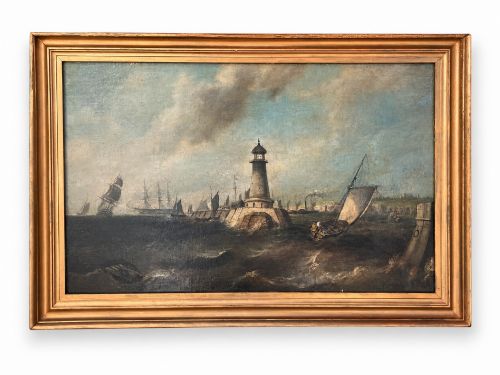
Maritime Ocean Wall Art
Maritime ocean wall art brings the historic drama of the sea indoors through paintings and watercolours that capture ships, shores, and stormy waters.
Maritime Ocean Wall Art
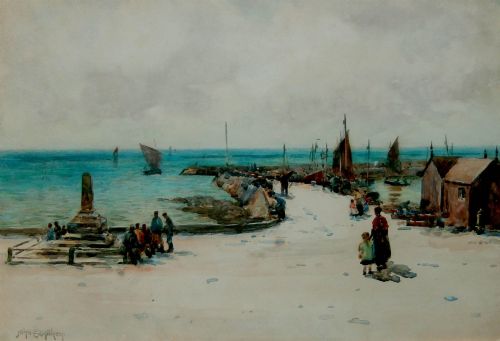
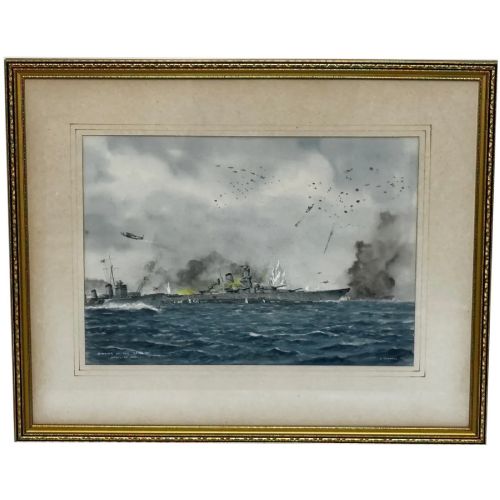
When you search for maritime ocean wall art, you encounter historical paintings and watercolours recording coastal scenes, naval vessels, and working fishing boats. These works document the deep connection between maritime commerce, coastal communities, and the open sea across generations.
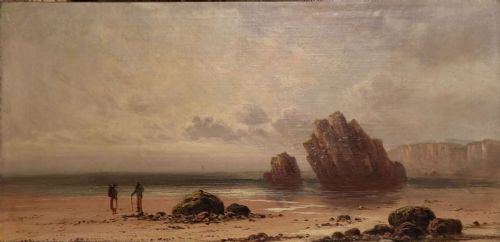
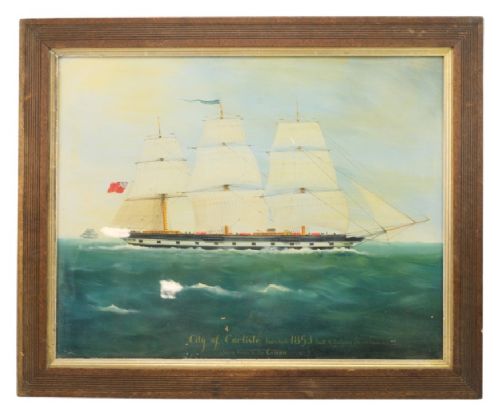
The pieces on this page lean heavily into nineteenth-century and early twentieth-century traditions, including Victorian and Edwardian marine art. You will frequently find depictions of British and European shores, dramatic shipwrecks, and traditional sailing vessels rendered by period painters.
How They Were Made
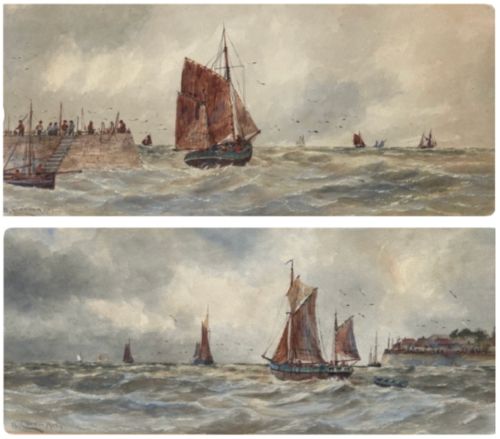
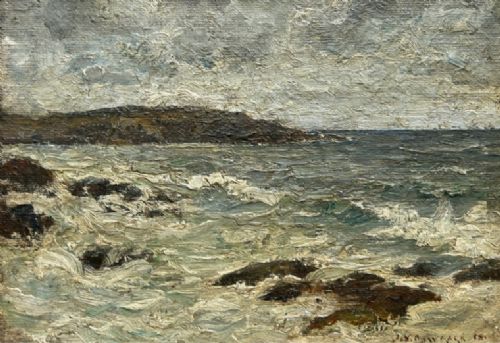
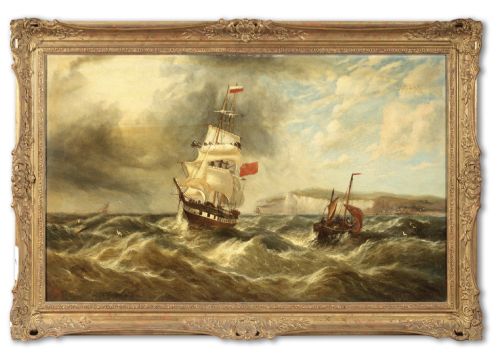
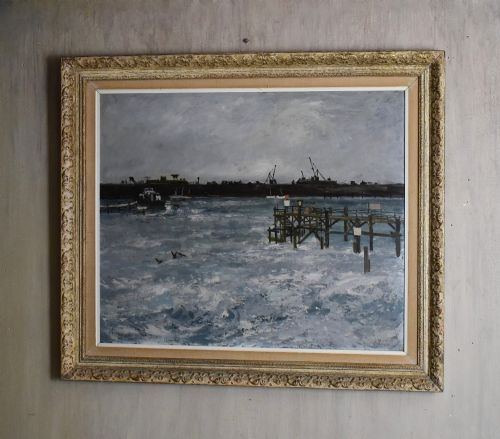
Artists captured these coastal and ocean views using oil paints on canvas or board, alongside delicate watercolours and gouache on paper. Many works incorporate textured impasto techniques to render the physical movement of churning waves and heavy storm skies.
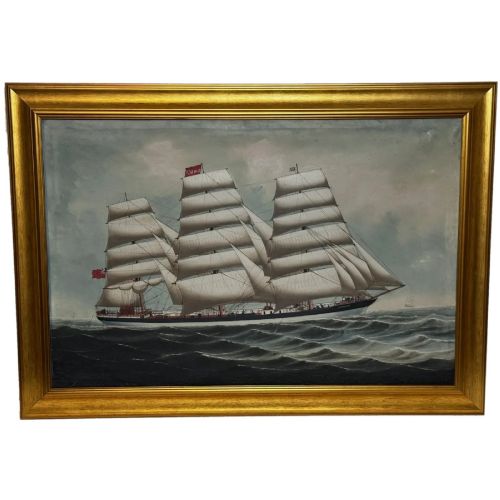
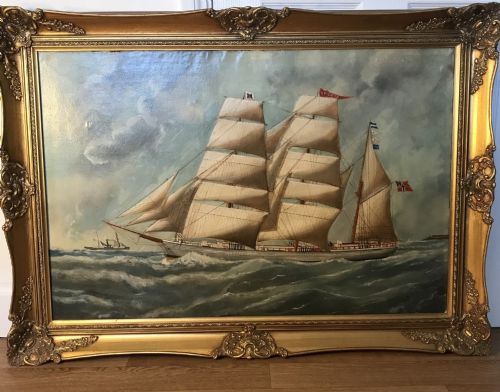
Framing played an integral role in the presentation of these maritime works, with many period pieces housed in original gilt wood frames that complement the tones of the painting.
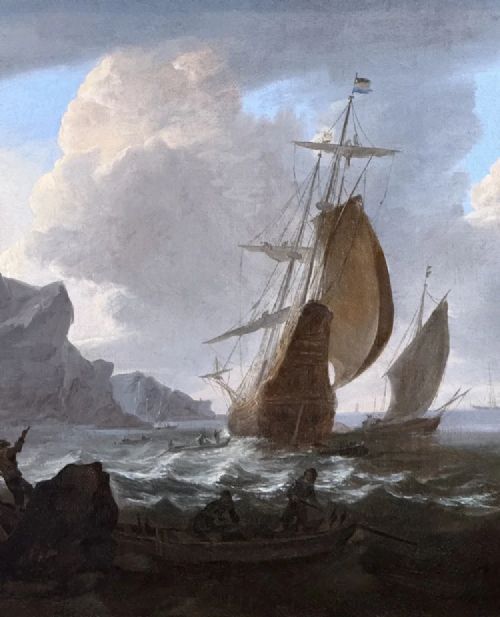
Listings feature works created across three centuries, spanning from the seventeenth century through to the mid-twentieth century.
What Varies in Quality
Quality in these maritime works rests upon the artist's command of light, atmosphere, and maritime architecture. A successful painting conveys the genuine weight of a vessel in rough seas and the specific atmospheric conditions of a coastal gale rather than relying on generic formulas.
The handling of medium also dictates distinction, separating freely painted impasto oils with genuine movement from stiffly rendered decorative scenes. Preservation of the original canvas, paper surface, and period gilt frame further elevates the standing of a piece.
William Cannon·Reginald Arthur Borstel·John E. Aitken·Eric Tufnell·William Banks Fortescue·John Rose Miles·Bonaventura Peeters·F. Corpuz·Peter Brannan·Nicholas Condy·Thomas Hodgson Liddell·William Henry Williamson·George Stanfield Walters·Elisabeth Bardon·Charles William Adderton·Charles Napier Hemy·Gustave De Bréanski·Thomas Bush Hardy·Daniel Sherrin·William Greaves·Abraham Hulk Snr·Charles Sim Mottram·Frank H. Mason
The Maritime Ocean Wall Art Glossary
- Impasto
- Paint applied thickly to a canvas or board, leaving visible brush or palette knife marks. This technique adds tactile three-dimensional texture, often utilised to mimic the rough surface of breaking waves.
- Seascape
- A work of art depicting the sea, coastal views, or marine shipping. These pieces focus primarily on oceanic conditions rather than land-based topography.
- Gouache
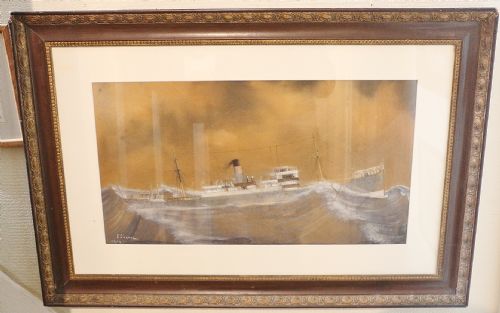
- An opaque water-based paint that dries to a matte finish. Artists often employed it alongside watercolour to achieve brighter highlights on ships and whitecaps.
- Sea Stack
- A geological landform consisting of a steep and often vertical column or columns of rock in the sea. They frequently appear in coastal paintings to emphasise the drama of rocky shorelines.
Maritime Ocean Wall Art: Frequently Asked Questions
What subjects appear in maritime wall art?
These works primarily depict sailing ships, coastal harbours, fishing boats, and naval vessels navigating varied weather conditions. You will find scenes ranging from calm Venetian lagoons to dramatic shipwrecks and merchant ships in heavy gales.
Artists drew inspiration from specific British and international waters, documenting historic vessels like three-masted schooners and steamships alongside everyday coastal life.
How do I care for antique marine watercolours?
Watercolours and gouache on paper require careful protection from direct sunlight to prevent the fading of pigments and paper discolouration. Displaying them away from moisture-prone areas preserves both the paper and any historic framing.
Ensure that framing materials are acid-free to prevent long-term degradation of the paper surface. Gentle dusting of the exterior frame is all that is typically required for maintenance.
How can I tell a watercolour from an oil painting?
Oil paintings utilise oil-based pigments on stretched canvas, wooden panels, or board, resulting in a textured surface that reflects light differently depending on the varnish. Watercolours use water-soluble pigments on paper, yielding a flatter, matte appearance beneath glass.
Examining the surface closely reveals the distinct brushwork of impasto oils versus the translucent washes characteristic of watercolour and gouache.
What periods do these maritime paintings represent?
The selections span from seventeenth-century Dutch works through nineteenth-century Victorian and Edwardian art, extending into mid-twentieth-century pieces. Nineteenth-century and early twentieth-century items form a large portion of the available material.
These periods reflect changing styles in marine painting, shifting from documentary ship portraits towards atmospheric interpretations of light and sea.