



Marine Art Decor
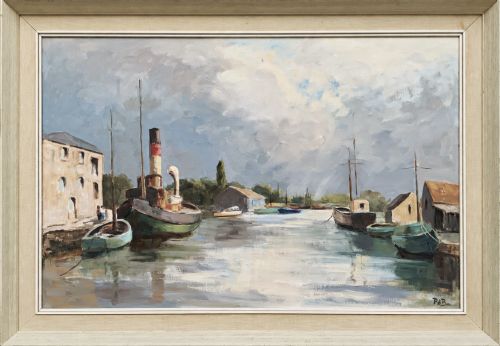
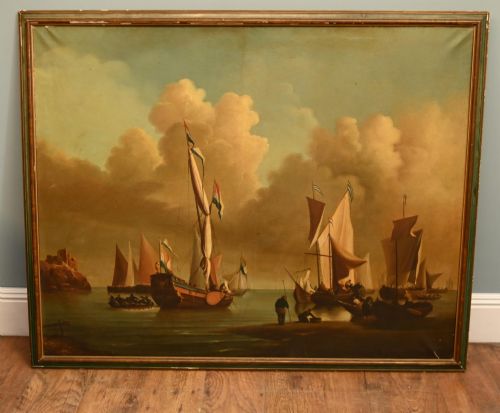
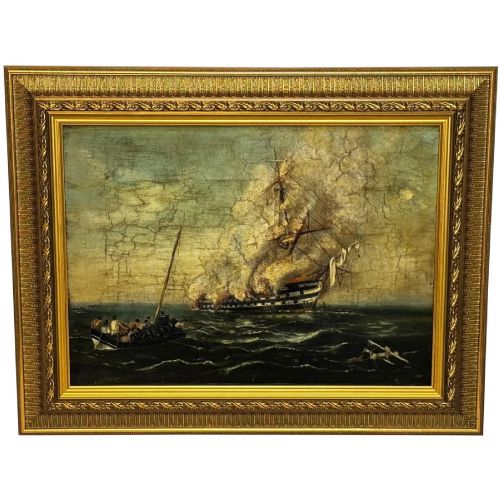
Marine art decor brings the historic sea, historic ships and coastal harbours straight to interior spaces through period paintings and maritime artefacts.
Marine Art Decor
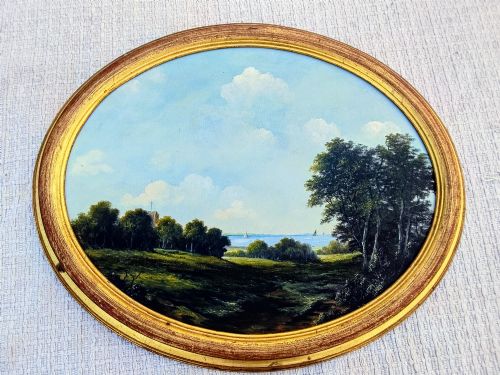
Marine art decor encompasses historic paintings, watercolours, engravings and maritime objects connected to the sea and shipping. When searching for marine art decor, buyers encounter nineteenth century oil paintings, Edwardian ship depictions and mid-century coastal scenes.
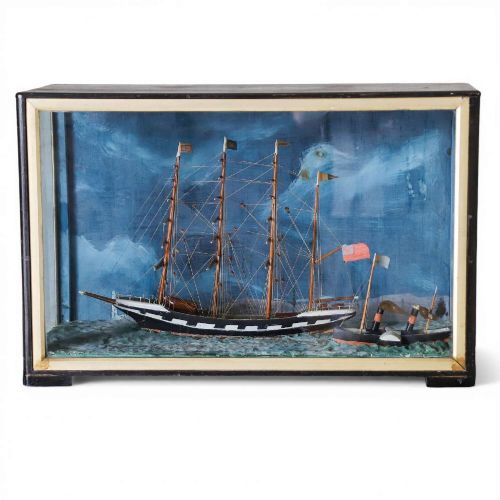
The objects span framed watercolours, oil paintings on canvas and panel, detailed dioramas and practical items such as ship wheels. Nineteenth century works and 1960 pieces form the core of the selection.
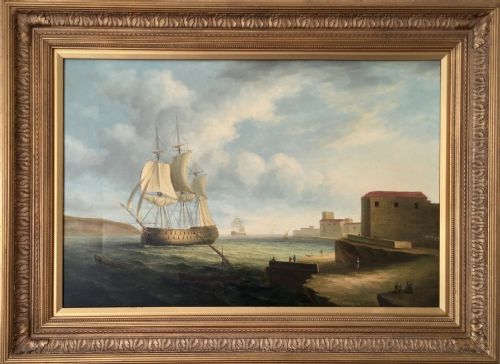
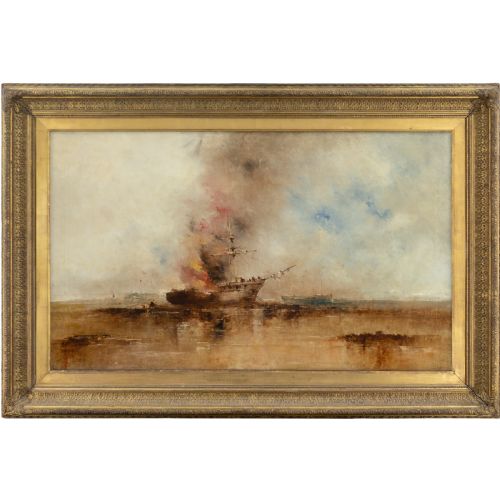
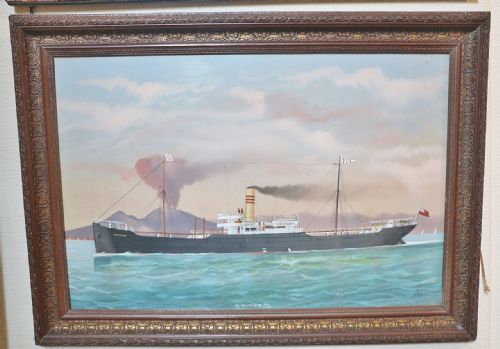
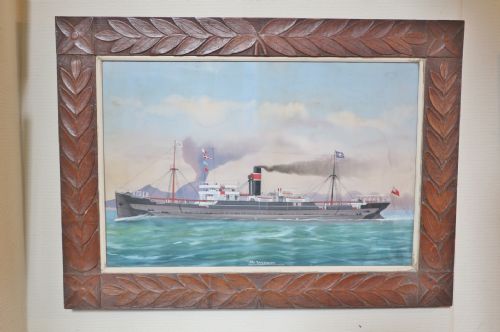
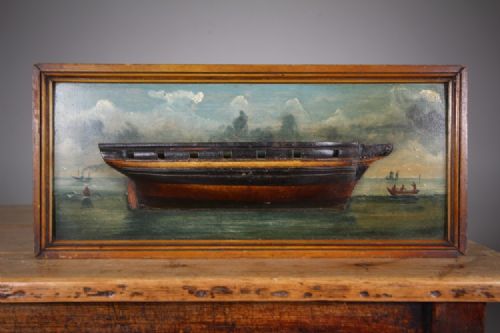
Subjects range from named vessels and naval battles to quiet Cornish harbours, fishing boats and open seascapes. These works record maritime heritage through varied artistic styles including British Impressionism and Dutch marine traditions.
How they were made
The paintings utilise oil paint or watercolour applied to canvas, paper, wood panels or board. Artists built up coastal views and sea battles using traditional brushwork on prepared surfaces.
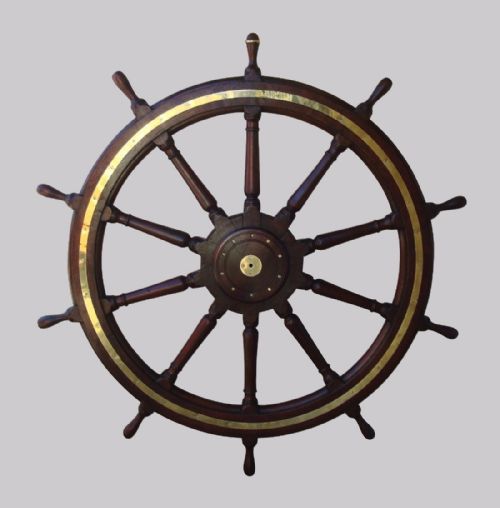
Three-dimensional pieces involve carved wood, as seen in model ships, carved flying fish and large teak ship wheels. Maritime dioramas combine painted backdrops with physical model vessels inside framed shadow boxes.
Framing typically employs wood, canvas liners and occasionally gilt surrounds to house the paper and canvas works.
Marine Art Decor Retail Price Guide 2026
Typical asking prices for marine art decor among the pieces listed under this phrase on Sellingantiques today, from the lower quarter to the upper quarter. They describe what is for sale here now, not the wider market.
A large late nineteenth-century carved flying fish shares space with towering sailing ships and massive teak wheels.
What varies in quality
Quality rests upon the artist's ability to render marine atmosphere, wave movement and maritime architecture with anatomical and technical accuracy. Master painters capture rigging, hull construction and light on water with precision.
The depth of historical detail distinguishes standard coastal views from significant records of named vessels, naval reviews or specific historic events. Original works by listed artists carry greater artistic weight than anonymous productions.
Materials and framing contribute to the physical integrity of the piece, from robust oil on canvas surfaces to intricate carving work on wooden objects.
Peggy de Brett·Beechey·James Hardy·William McAlpine·Jonathan Couch·Dion Pears·Frank Wood·H. Hadfield Cubley·Charles Cameron Baillie·Micheal Matthews·Johan Jens Neumann·Godwin Bennett·Paul-Louis Barruel·Thomas Bush Hardy·Arthur Joseph Meadows
The Marine Art Decor Glossary
- Oil painting
- A painting executed with pigments suspended in a drying oil, usually linseed, applied to canvas, wood or board. This medium allows for rich colour blending and texture in seascapes.
- Maritime diorama
- A three-dimensional model depicting ships and coastal scenes set within a shallow case or shadow box. Painted backgrounds create a sense of distance behind physical model vessels.
- Watercolour
- A painting method where fine pigment is suspended in a water-based solution, typically applied to paper. It yields transparent washes suitable for light-filled coastal scenes.
- Gilt wood
- Wood decorated with a thin layer of gold leaf or gold paint. Frames finished in this manner were frequently used for formal nineteenth century artworks.
- Impressionism
- An art style focused on accurate depiction of light and its shifting qualities rather than strict detail. British and mid-century examples apply this to coastal and harbour views.
Marine Art Decor: Frequently Asked Questions
What periods do these pieces date from?
The pieces span from the eighteenth century through the Victorian era, the Edwardian period, and into the mid-twentieth century.
Nineteenth-century works and 1960 creations form the largest portions of the available selection.
What subjects appear in these paintings?
Common subjects include named steamships, sailing vessels, naval battles, harbour scenes, and coastal views.
Artists frequently recorded specific ships, historic fleet reviews, and fishing ports around Britain and Europe.
How were maritime dioramas constructed?
Maritime dioramas combine physical model ships with painted backgrounds inside shallow frames or shadow boxes.
This technique creates perspective and depth, showing vessels at sea or anchored in harbour settings.
What materials are used in these items?
Paintings utilise oil paint and watercolour on canvas, paper, wood panel, or board.
Three-dimensional items feature carved wood, canvas, glass, and heavy teak timbers.