





Marbled Base Figurine
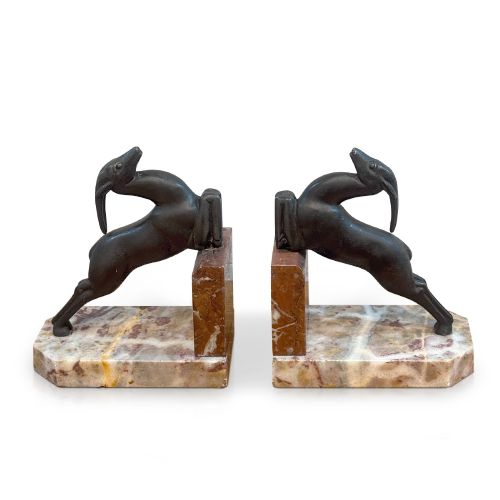
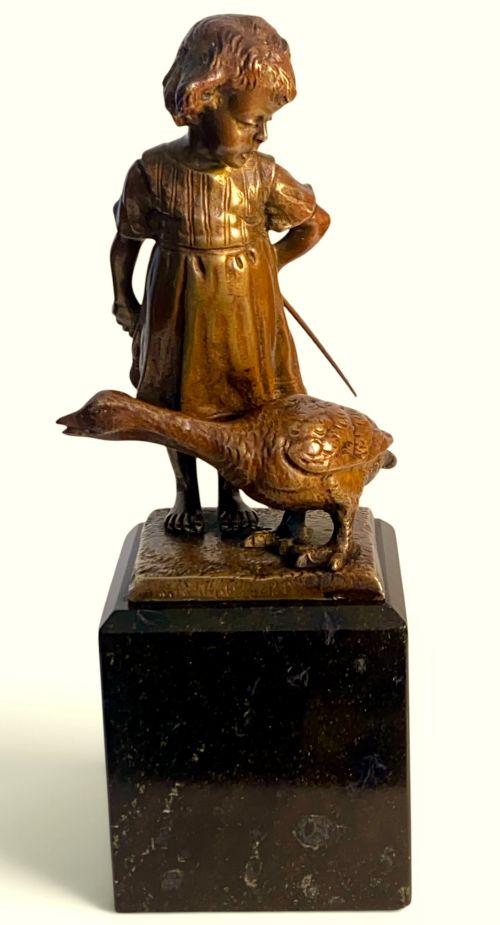
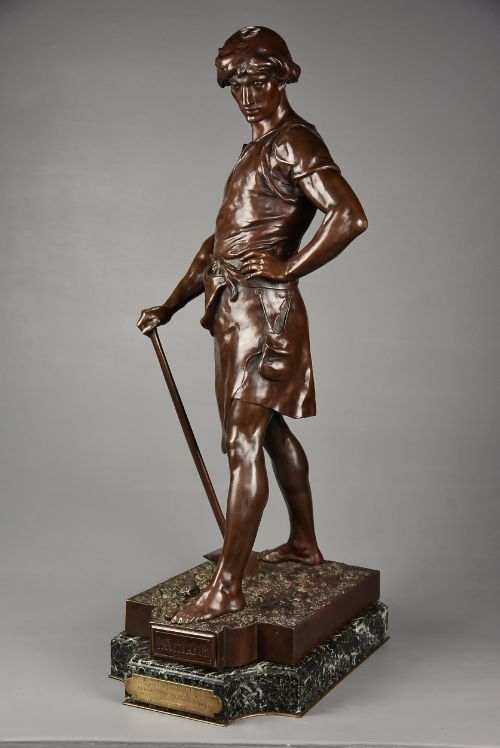
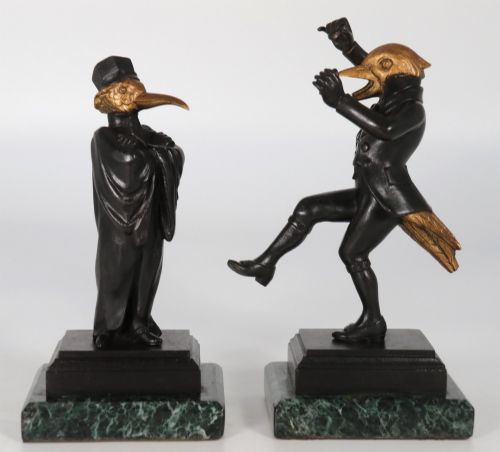
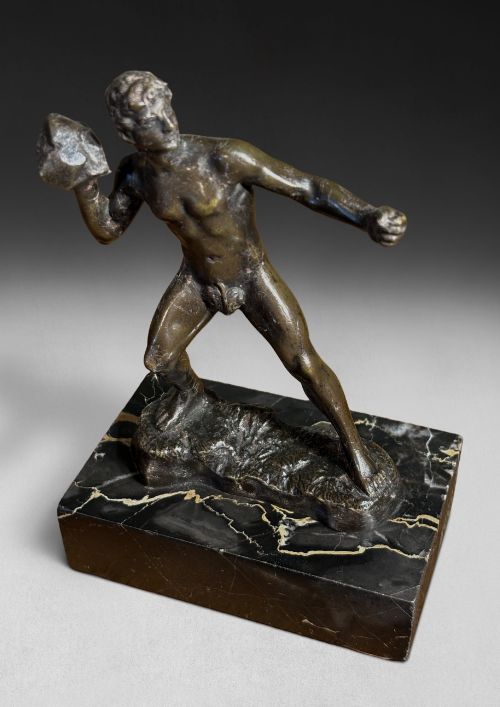
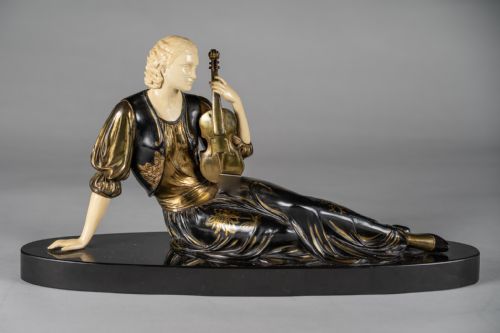
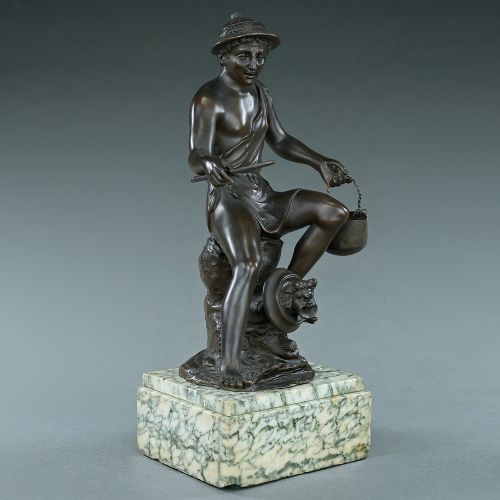
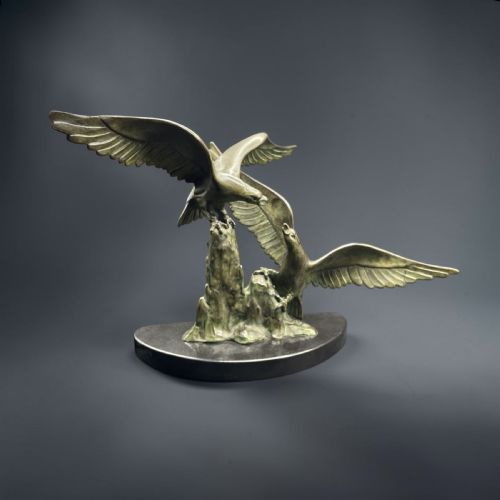
These pieces combine cast metal figures with stone plinths, creating a grounded display of form and weight.
Marbled Base Figurine
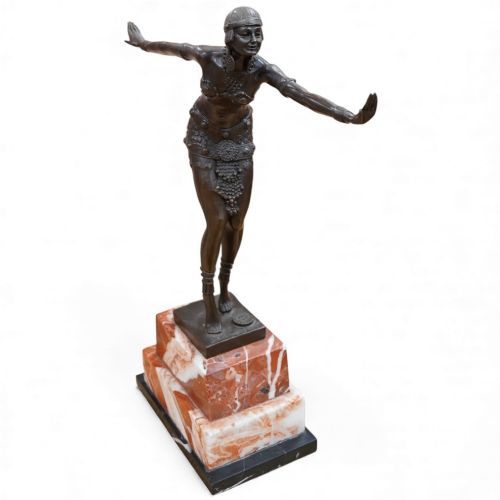
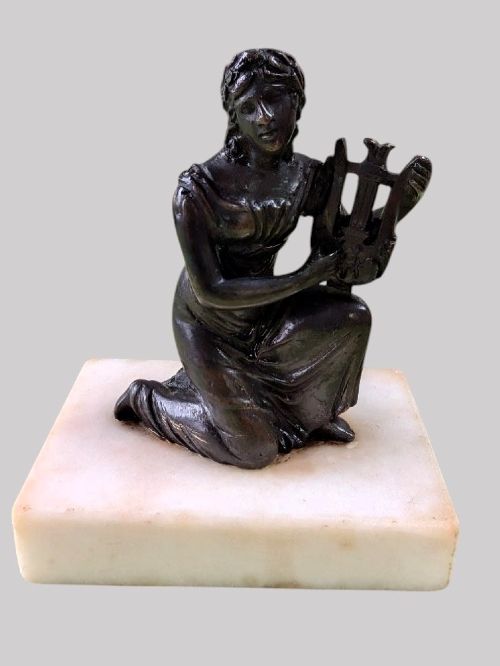
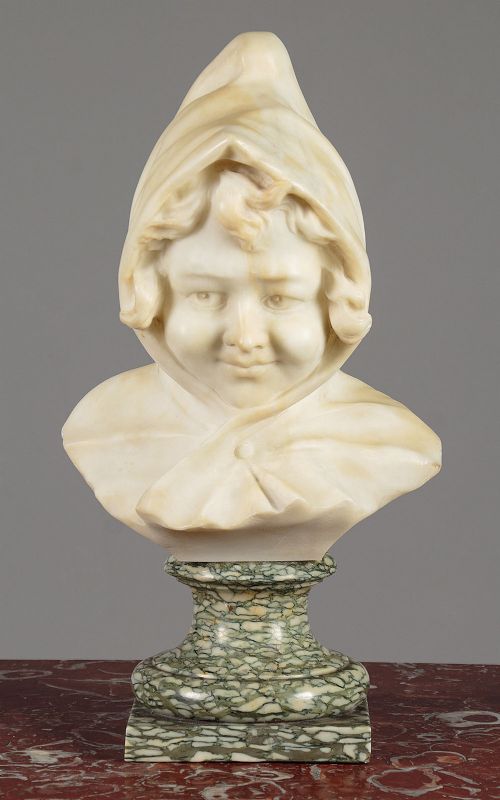
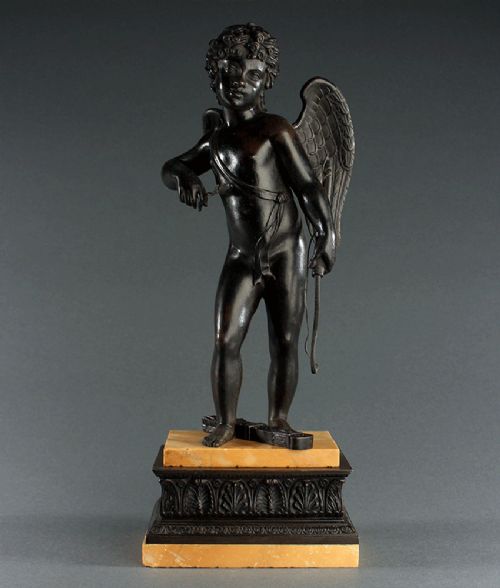
A marbled base figurine places a sculpted subject upon a stone plinth, bringing together two distinct textures. These works appear frequently from the nineteenth century through the art deco era, spanning styles from animalier studies to classical figures.
The selection ranges from small desk bronzes to table lamps and large sculptural groups. Many pieces date from the early twentieth century, reflecting the streamlined aesthetics of the period.
The combination of a weighty stone footing with a cast metal subject creates a balanced object suitable for display on furniture or architectural brackets. Collectors find figures of dancers, animals, and mythological subjects mounted in this manner.
How they were made
Foundries produced the metallic elements using traditional casting methods, often finishing the surface with cold painting, patination, or gilding. Spelter and various forms of bronze served as the primary metals for the figurative elements.
The stone plinths were cut and polished to support the weight of the metal sculpture above. Black marble and standard marble provided a stable foundation, sometimes complemented by specialised varieties like Siena stone.
Makers anchored the figures to the stone bases using threaded pins or concealed fixings. This construction ensured the upper sculpture remained secure upon its stone footing.
Marbled Base Figurine Retail Price Guide 2026
Typical asking prices for marbled base figurine among the pieces listed under this phrase on Sellingantiques today, from the lower quarter to the upper quarter. They describe what is for sale here now, not the wider market.
The selection includes animal studies, human figures, and table lamps mounted on black marble bases.
What varies in quality
The selection of the stone plinth also marks the distinction between standard and superior pieces. Dense, well-polished marble with subtle veining elevates the overall presentation compared to plain or poorly finished stone bases.
Surface finishes contribute significantly to the character of a piece. Hand-applied patinas and careful cold painting demonstrate a higher degree of workshop attention than uniform, spray-applied treatments.
Ouillon Carrere·Lalique·Georges Gori·Gustave Dussart·D. H. Chiparus·Jean de Roncourt·Maurice Giraud-Rivière·Bruno Zach·Pierre Collinet·Carl Kauba·Barbedienne·Claude Michel Clodian·Hans Müller·Demetre Chiparus·Henri Godet·Aurore Onu·Emile Guillemin
The Marbled Base Figurine Glossary
- Cold painted bronze
- A technique where oil paint is applied to a cold bronze casting without subsequent firing. This method was popular in Austrian workshops for detailed animal and human figures.
- Patinated metal
- A chemically induced surface treatment that alters the colour of the metal to simulate age or provide a specific dark finish. It protects the underlying material while defining the contours.
- Spelter
- An alloy of zinc and lead used as an economical alternative to bronze. It takes fine detail well but is softer and lighter than true bronze.
- Animalier
- A style of nineteenth-century sculpture focused on realistic representations of animals. Artists in this tradition studied anatomy closely, often portraying beasts in motion.
- Gilt bronze
- Metalwork treated with a thin layer of gold through fire gilding or electroplating. This process imparts a brilliant metallic sheen that resists tarnishing.
Marbled Base Figurine: Frequently Asked Questions
How do I clean the stone base?
Dust the stone regularly with a soft, dry cloth to prevent grime buildup. Avoid using harsh chemical cleaners or abrasive pads that can scratch the polished surface.
For stubborn marks, use a slightly damp cloth with mild soap, then dry the stone immediately. Ensure moisture does not seep into the joint where the metal figure meets the base.
Are these pieces made of solid bronze?
Many figures are cast in bronze, while others utilise alternative metals such as spelter or silvered bronze. The base typically consists of natural marble or black marble.
Checking the weight, magnetism, and surface coloration helps determine the specific metal used in the sculpture. Hallmarks or foundry stamps can also verify the material.
How were these figures displayed originally?
These sculptures typically stood on mantelpieces, sideboards, or dedicated pedestals within domestic interiors. Their weighted bases provided stability on wooden furniture.
Some variations served a dual purpose, incorporating lamp fittings to function as decorative lighting fixtures on desks or tables.
How do I distinguish art deco from art nouveau examples?
Art nouveau pieces feature flowing, asymmetrical lines inspired by natural forms like plants and whiplash curves. The subjects often include dreamy figures and floral motifs.
Art deco works favour geometric precision, stylized symmetry, and streamlined forms. Figures from this later period frequently depict dynamic dancers or sleek animals.