



Marble Top Pedestal Stand
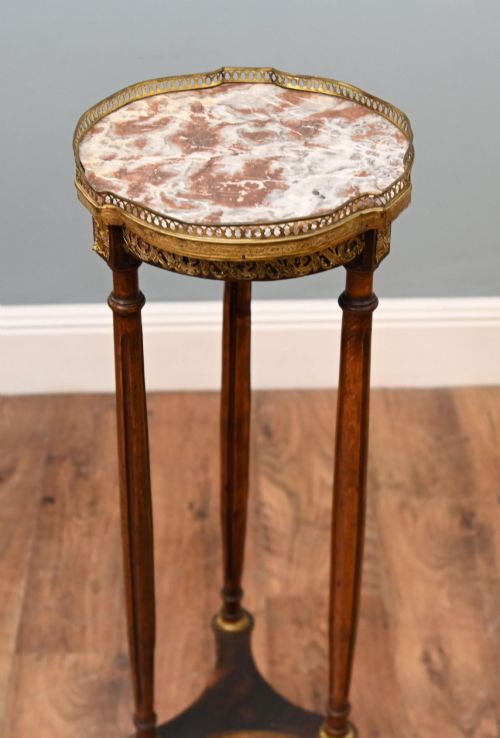
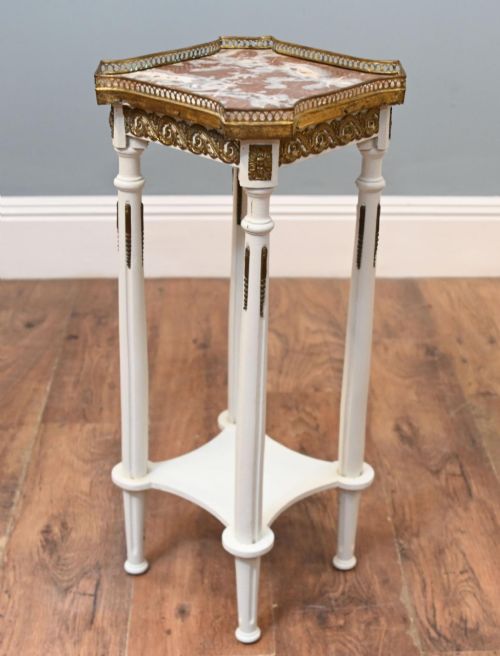
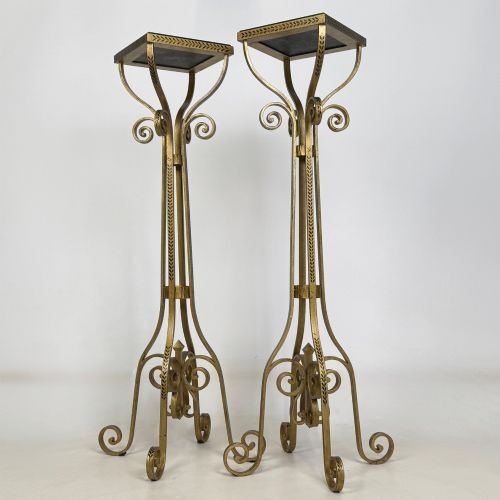
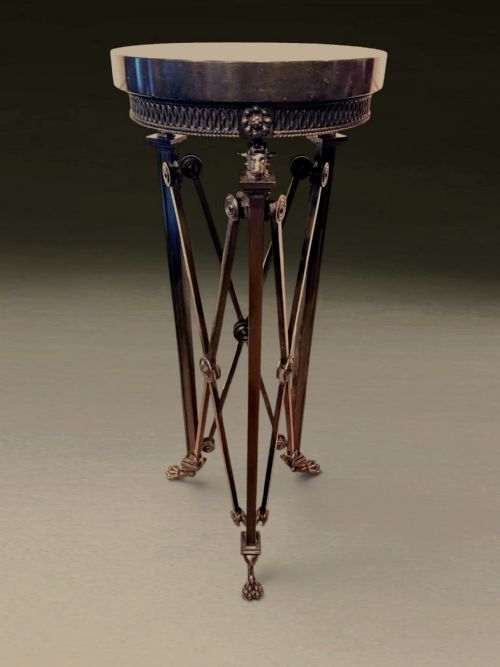
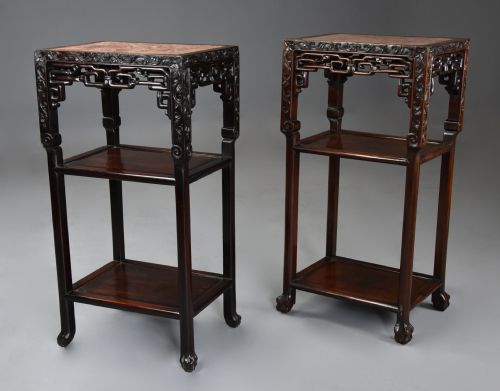
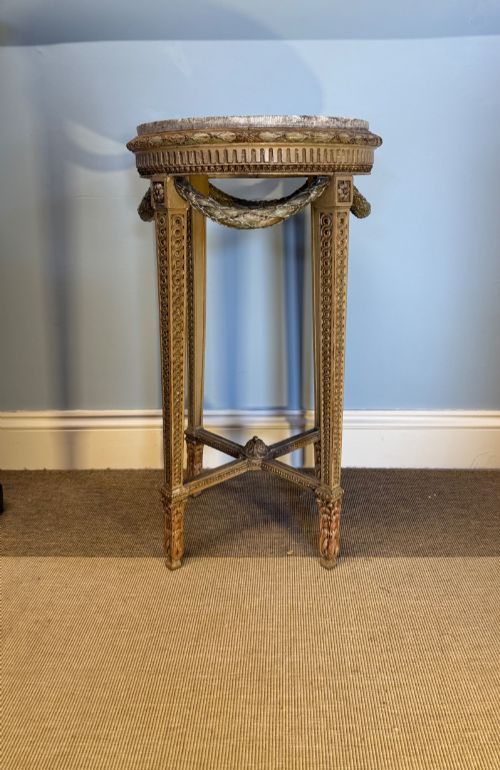
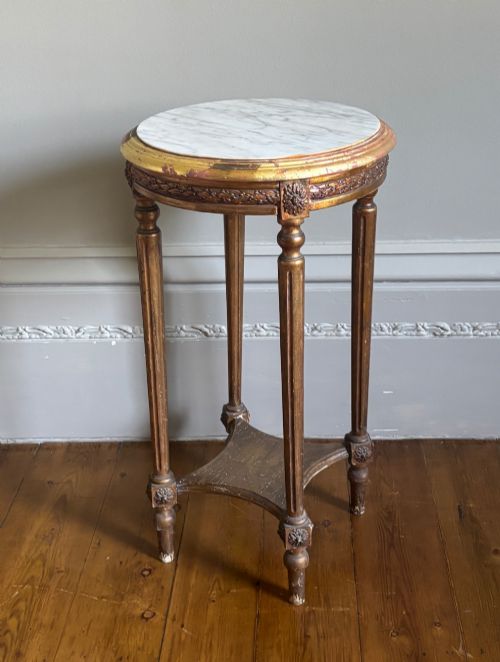
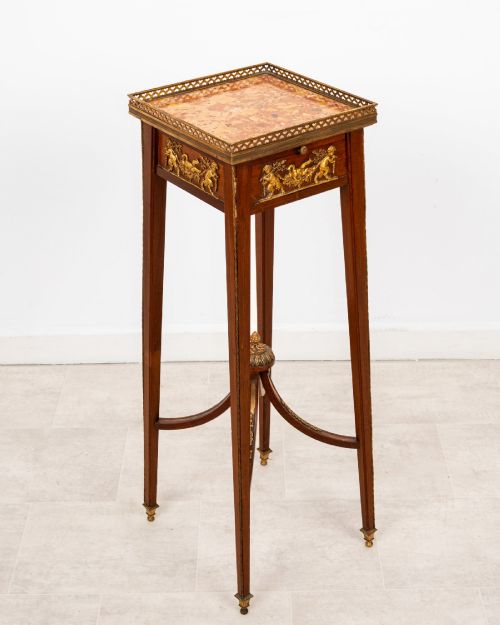
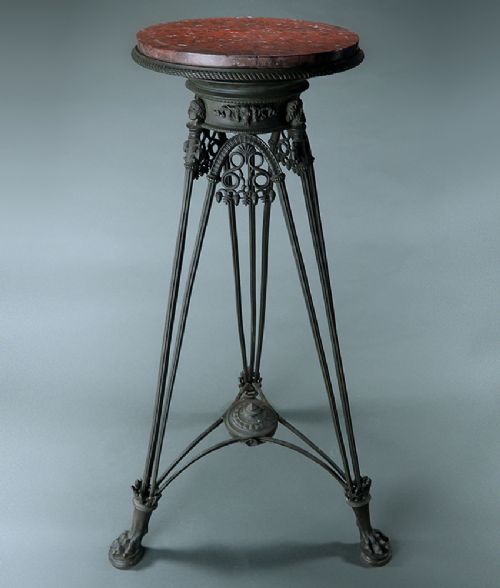
These marble top pedestal stand examples bring stone surfaces to raised positions, offering sturdy elevations for plants and decorative objects across diverse historical periods.
Marble Top Pedestal Stand
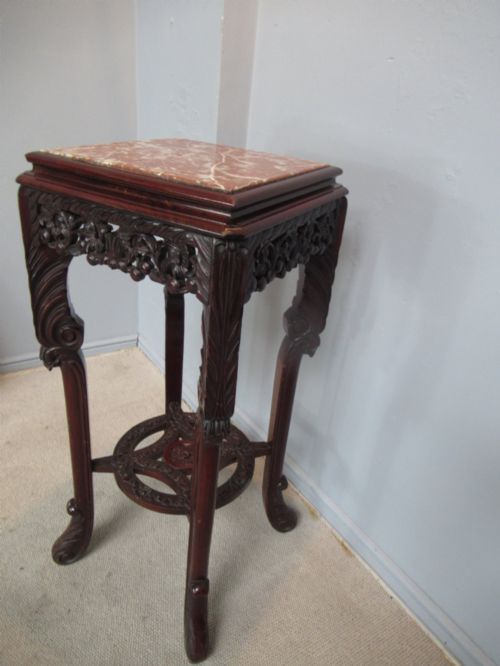
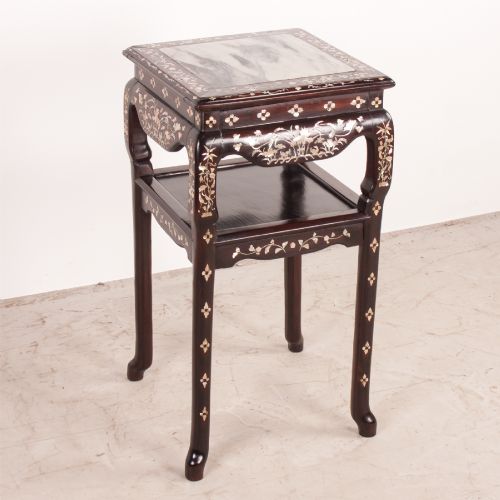
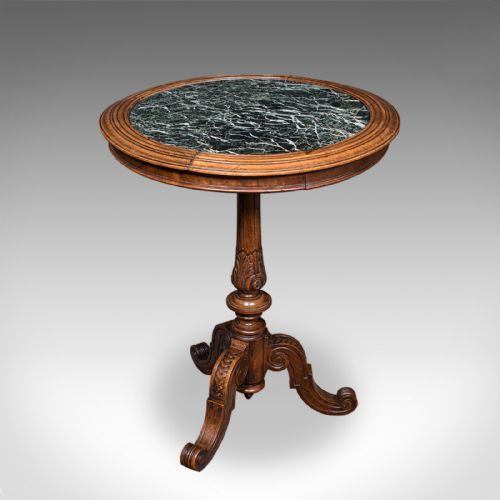
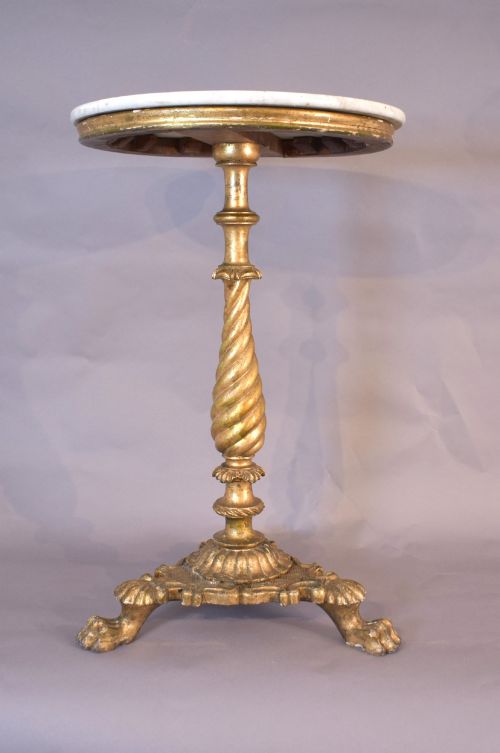
A marble top pedestal stand combines a stone upper surface with a raised support structure, functioning as a plant stand, jardiniere table, or occasional surface. Buyers searching this phrase encounter forms ranging from compact Chinese export pot stands to French neoclassical guéridons and Victorian column pedestals.
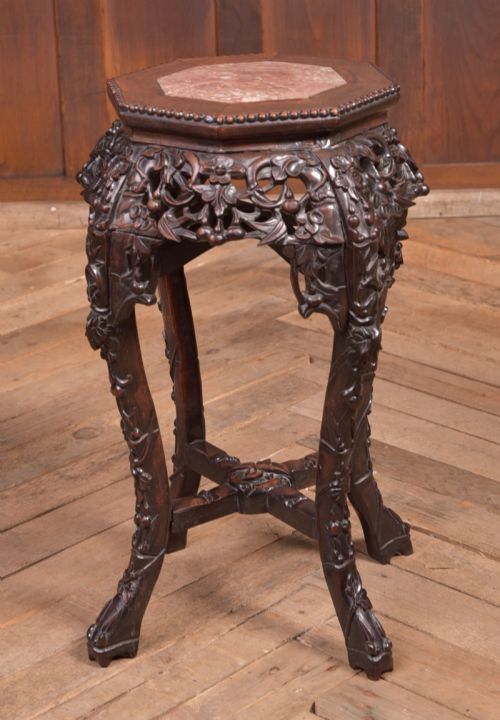
The selection includes circular and rectangular tops resting on hardwood, mahogany, walnut, or giltwood frames. Many pieces originate from nineteenth-century workshops, drawing upon Regency, Victorian, and Edwardian design traditions alongside Oriental craftsmanship in rosewood, padouk, and rootwood.
How They Were Made
Craftsmen built these stands using dense timbers such as mahogany, walnut, rosewood, and hardwood, often integrating brass mounts, giltwood carvings, or bronze details. Structural joins relied on traditional cabinetmaking techniques suited to supporting heavy stone slabs.
The inset surfaces utilise polished marble, rouge marble, onyx, or quartz fitted precisely into timber frames. Carved motifs, mother of pearl inlay, and turned column supports demonstrate the diverse regional manufacturing methods of the nineteenth and early twentieth centuries.
Marble Top Pedestal Stand Retail Price Guide 2026
Typical asking prices for marble top pedestal stand among the pieces listed under this phrase on Sellingantiques today, from the lower quarter to the upper quarter. They describe what is for sale here now, not the wider market.
Unusual examples feature deep quartz tops set into intricate rootwood structures.
What Varies in Quality
Quality rests in the precision of the timber carving and the harmony between the stone top and its support frame. Superior examples display crisp detail in giltwood or hardwood elements without clumsy repairs to the underlying structure.
The selection of the marble or onyx insert dictates much of the visual impact, where distinct veining and tight fitting edges separate standard production items from finer decorative works.
The Marble Top Pedestal Stand Glossary
- Guéridon
- A small French table on a central pillar or column, frequently topped with marble. These pieces served diverse domestic uses as lamp tables or plant stands.
- Jardiniere stand
- A tall furniture piece designed specifically to support potted plants or floral arrangements. They often feature water-resistant stone or marble surfaces.
- Padouk
- A heavy, durable tropical hardwood prized for its reddish colour and dense grain. Cabinetmakers utilised it for carved oriental stands and tables.
- Onyx
- A banded variety of chalcedony used as a decorative stone top on occasional tables. Its translucent layers provide distinctive patterning distinct from standard marble.
Marble Top Pedestal Stand: Frequently Asked Questions
What rooms suit a marble top pedestal stand?
These elevated surfaces fit well in corners, halls, or living spaces where they hold lamps, vases, or trailing plants without occupying significant floor space.
Their compact footprints allow them to serve as occasional side tables beside seating or as display pedestals in reception rooms.
How do I clean the stone top?
Maintenance requires only a soft damp cloth to remove dust and debris from the polished surface. Harsh chemical cleaners can etch the marble or onyx insert, so mild soap is preferable for stubborn marks.
Ensuring the stone remains dry prevents moisture from seeping into unsealed undersides or damaging surrounding wooden frames.
Can these stands support heavy plants?
The robust wooden and bronze frames are engineered to bear the substantial weight of stone slabs alongside heavy ceramic planters or large vases.
Stability depends primarily on a level floor surface and a sturdy central column or tripod base design.
How do I distinguish French styles from Chinese export pieces?
French examples typically exhibit neoclassical, empire, or revival motifs executed in mahogany, walnut, or giltwood with classical brass mounts. Oriental pieces showcase dense hardwoods like rosewood or padouk, featuring intricate hand-carved floral elements or rootwood construction.
Examining the joinery and timber characteristics reveals the distinct geographic traditions behind each stand.