




Marble Plinth Ornaments
Marble plinth ornaments bring sculptural weight and classic presence to a room, grounding metal or stone figures in rich geological colour.
Marble Plinth Ornaments
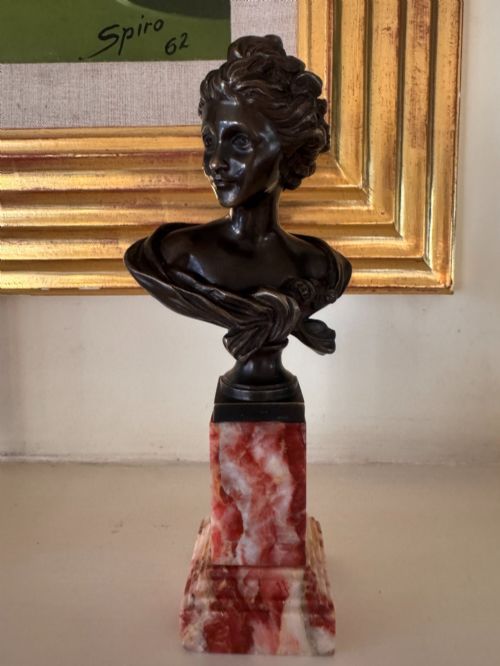
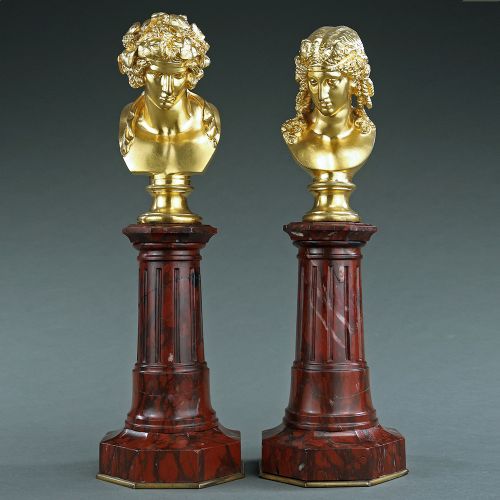
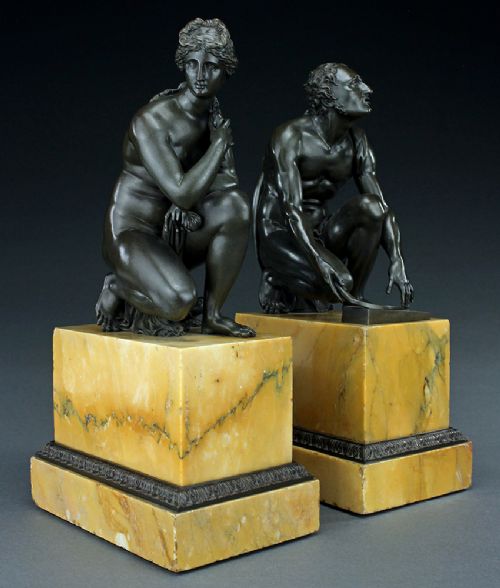
Marble plinth ornaments combine figurative sculpture with substantial stone bases, creating stable decorative objects designed for display on mantelpieces, desks and side tables. These pieces range from classical mythological figures and grand tour souvenirs to animalier studies and modernist Art Deco designs.
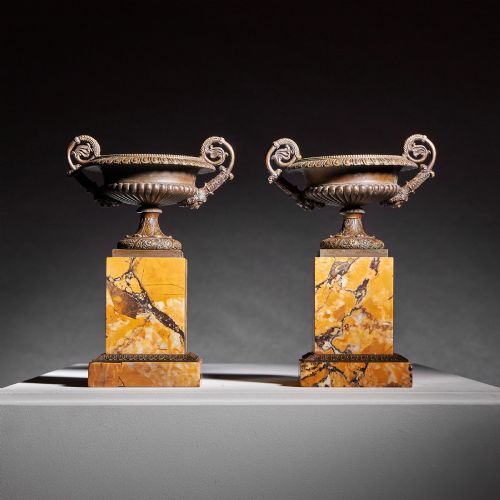
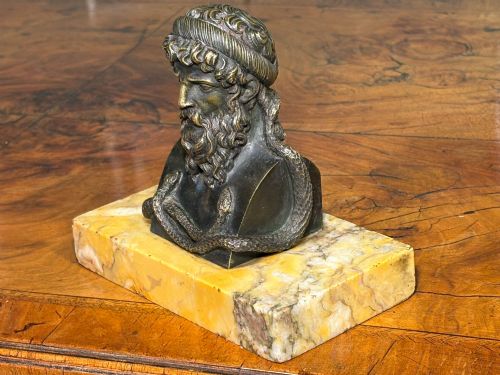
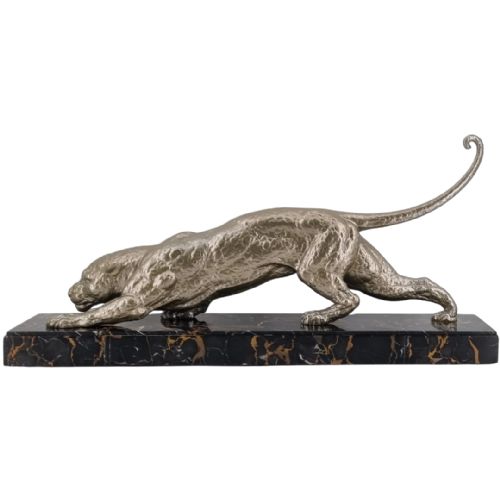
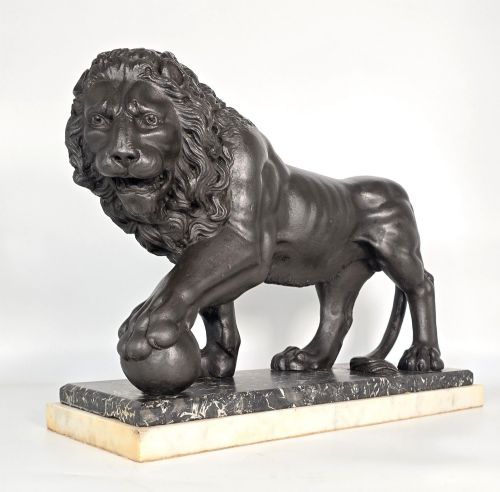
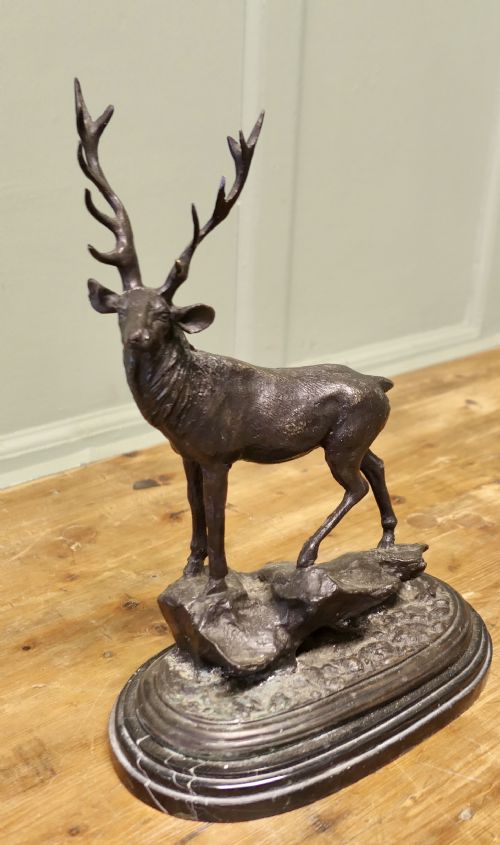
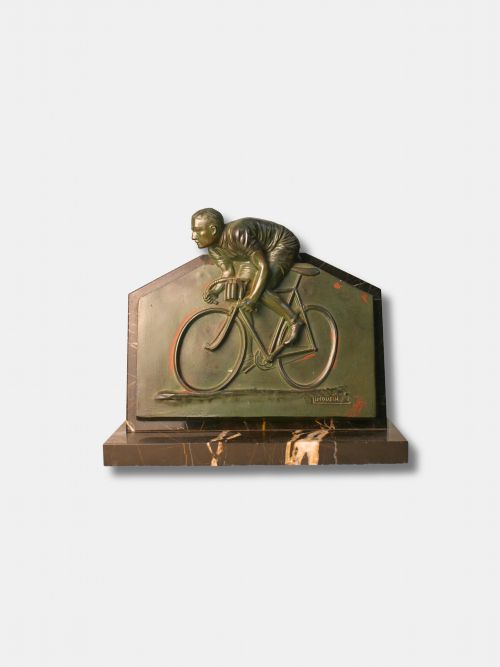
The most common examples on this page date from the nineteenth and early twentieth centuries, spanning Victorian, Regency and Art Deco aesthetics. Subjects include bronze animals, historical busts, classical sphinxes and decorative urns mounted directly onto veined or solid marble blocks.
Makers utilise various stones such as portoro, siena, onyx and black marble to support patinated metal, bronze and gilt components. The result is a heavy, permanent object that balances the softness of figurative detail with the cold geometry of stone.
How they were made
Stonesmiths cut, turned and polished the marble bases from blocks of portoro, onyx, siena or black marble to fit the proportions of each specific figure. Metal pins or screws typically secure the sculpture to the plinth through pre-drilled holes in the stone.
Marble Plinth Ornaments Retail Price Guide 2026
Typical asking prices for marble plinth ornaments among the pieces listed under this phrase on Sellingantiques today, from the lower quarter to the upper quarter. They describe what is for sale here now, not the wider market.
What varies in quality
The definition and crispness of the metal casting separate standard production pieces from superior works. Finer sculptures retain sharp anatomical details in the figure and show careful hand-finishing on the metal surface.
The selection and preparation of the marble base indicate the overall ambition of the piece. Dense, richly veined stones with precise geometric edges and high-polish finishes elevate the status of the ornament far above simple utility.
D. H. Chiparus·Selim Bright·Carl Kauba·R Henn
The Marble Plinth Ornaments Glossary
- Animalier
- A nineteenth-century artistic movement focused on the realistic depiction of animals, particularly predators and game in motion. These sculptures frequently sit atop heavy stone plinths.
- Grand Tour
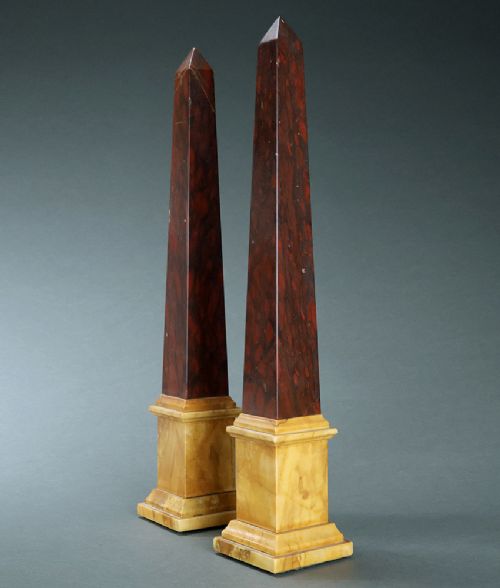
- The traditional journey of Europe undertaken by upper-class young men to collect art and antiquities. Miniature bronzes and marble obelisks served as popular souvenirs from these travels.
- Portoro marble
- A high-grade black limestone featuring distinctive golden-yellow veins. This material adds strong visual contrast to mounted bronze sculptures.
- Siena marble
- A yellow decorative stone quarried in Italy, known for its warm tones and dark organic veining. It forms a colourful base for classical figures.
- Spelter
- A zinc alloy commonly used as a cost-effective substitute for bronze in decorative figures. It often receives a patinated finish to resemble heavier metal.
Marble Plinth Ornaments: Frequently Asked Questions
What are marble plinth ornaments?
These decorative objects consist of a metal or stone sculpture permanently mounted onto a solid base of marble or onyx. They function as freestanding ornaments designed to add architectural and sculptural interest to interior spaces.
Craftsmen produced them in various styles, ranging from classical antiquity revivals to sleek twentieth-century modernist designs.
How do I date a marble plinth ornament?
Dating relies on identifying the artistic style, the method of metal casting and the type of marble used in the base. Nineteenth-century pieces often reflect grand tour or neoclassical tastes, while nineteen-twenties examples lean toward geometric Art Deco forms.
Examining the underside of the plinth and the fixings also reveals period manufacturing techniques.
Where should I display these ornaments?
Their heavy stone bases make them ideal for stable placement on mantelpieces, bookshelves, sideboards and heavy desks. They require sturdy furniture capable of supporting considerable weight.
Positioning them away from direct sunlight preserves the patination on the metal and prevents thermal stress on the stone.
How do I clean marble and bronze?
Dust the stone and metal regularly with a soft, dry cloth to prevent grime accumulation. Avoid water and chemical cleaners, which can damage patinated metal surfaces and stain porous marble.
Professional restoration is recommended if the metal requires deeper cleaning or if the stone base suffers damage.