





Marble Mantel Ornaments
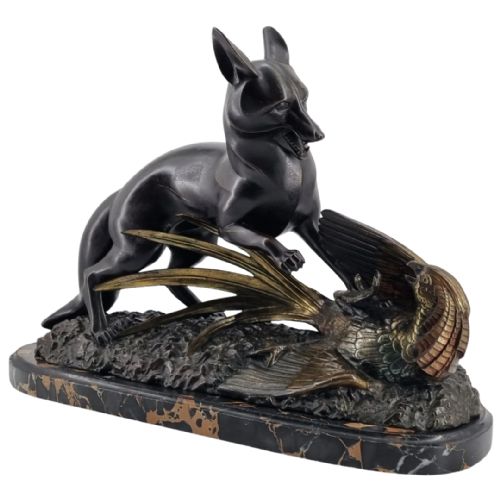
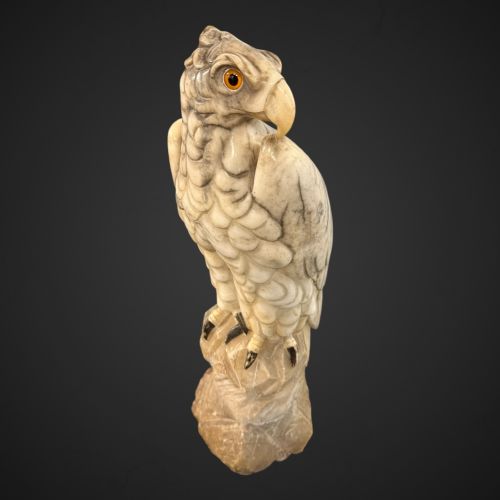
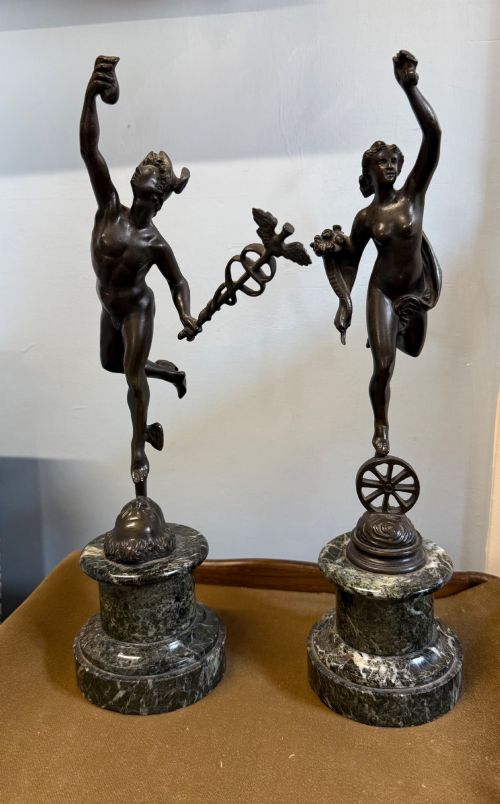
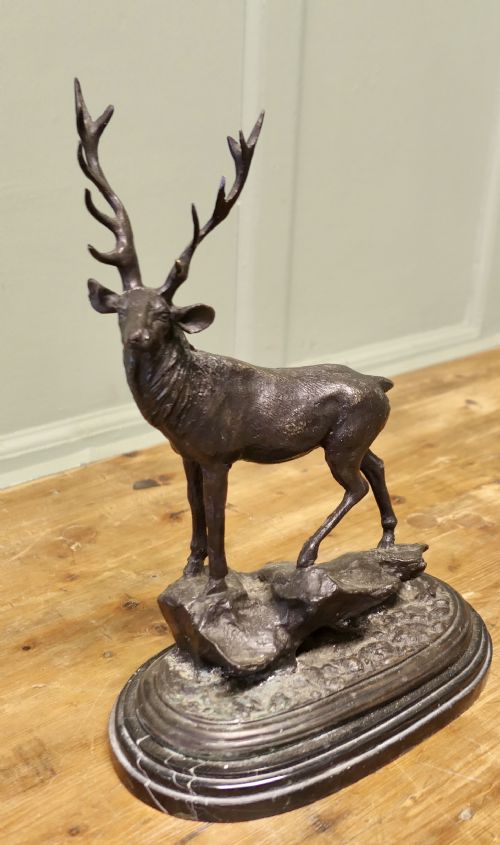
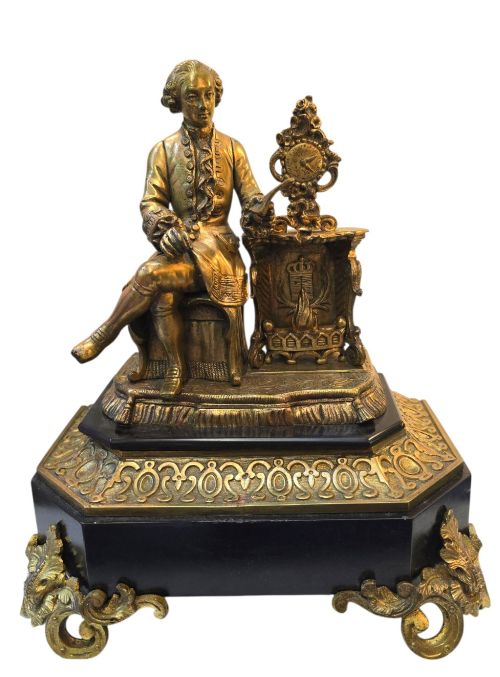
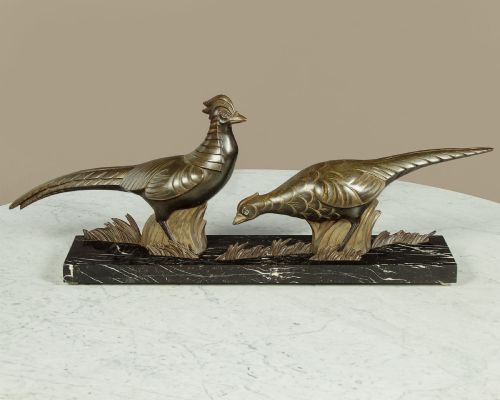
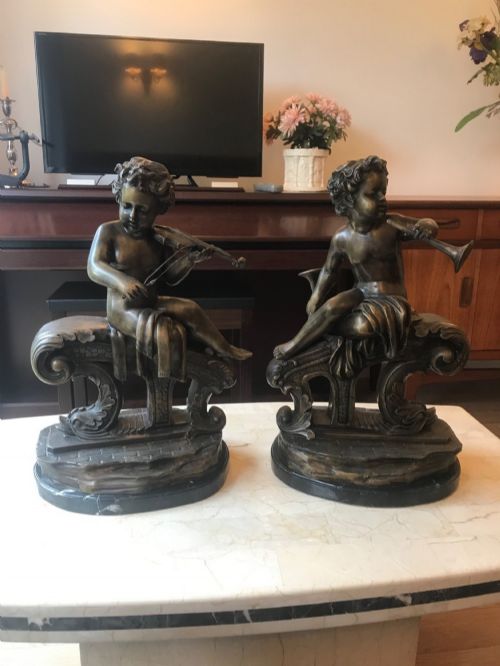
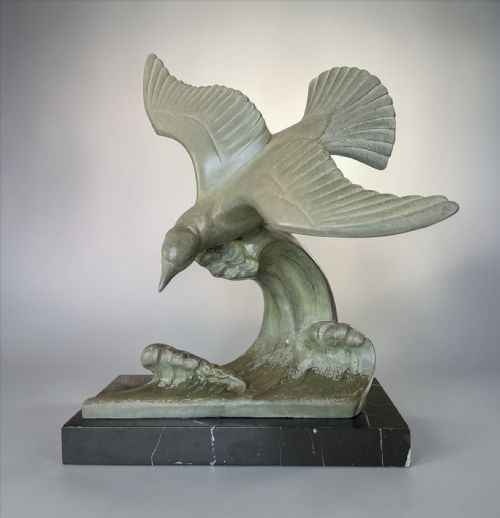
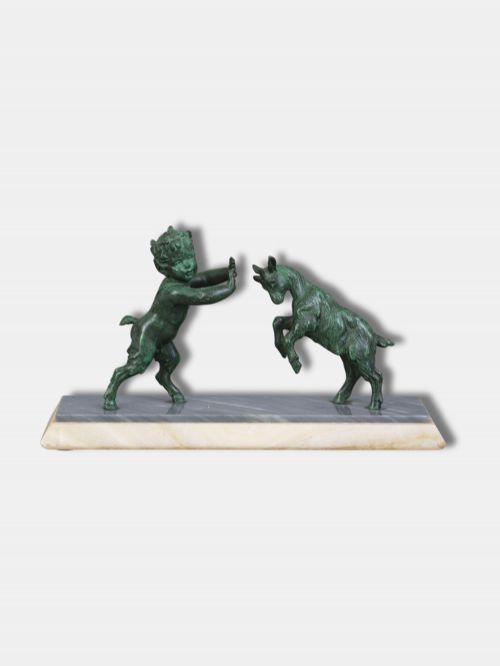
These marble mantel ornaments bring classical weight and animalier vigour to a room, combining carved stone bases with cast metal figures.
Marble Mantel Ornaments
When you search for marble mantel ornaments, you encounter decorative objects designed to sit upon a fireplace ledge, uniting mineral bases with sculptural elements. The pieces span the nineteenth century through the art deco period of the nineteen thirties.
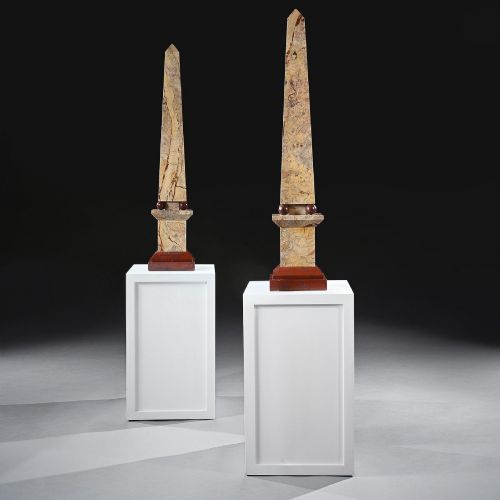
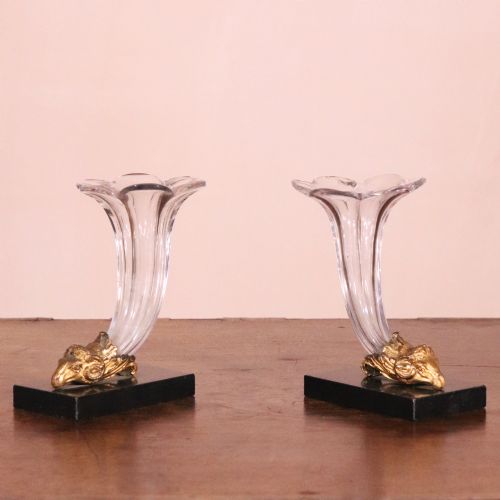
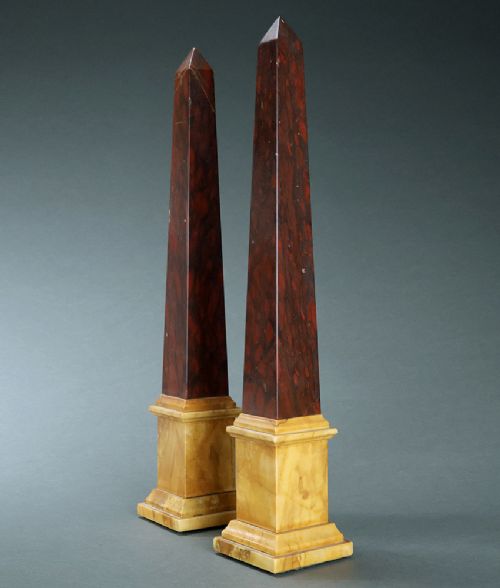
You meet pairs of obelisks, cassolettes, and tazza alongside figural sculptures of animals and classical characters. These items function as visual anchors for a mantelpiece, often employing veined stones like carrara, portasanta, rouge, and sienna.
The objects reflect distinct movements including regency, neoclassical, rococo revival, and animalier styles. Sculptural subjects range from sphinxes and mythological figures to prowling panthers and golden pheasants.
How they were made
Makers shaped natural stone by hand, turning and polishing marble, onyx, and ashford marble into obelisks, urns, and heavy plinths. These stone components provide the stable foundations required to balance taller decorative objects.
Artisans cast metal elements using bronze, gilt bronze, ormolu, silvered bronze, and spelter. Figures and decorative mounts were secured directly onto the stone bases using threaded bolts and pins.
Marble Mantel Ornaments Retail Price Guide 2026
Typical asking prices for marble mantel ornaments among the pieces listed under this phrase on Sellingantiques today, from the lower quarter to the upper quarter. They describe what is for sale here now, not the wider market.
Several stone obelisks were brought back from grand tours as heavy proof that someone survived European travel.
What varies in quality
The distinction between tiers rests upon the crispness of the metal chasing and the depth of the marble polishing. Superior bronzes display sharp anatomical details in animals and clothing, whereas lesser castings lose definition in fur and feathers.
Stone selection dictates the architectural presence of the ornament, with well-chosen mineral veining and symmetrical graining commanding greater visual interest. The precision with which metal mounts fit the contours of the stone base indicates the skill of the original workshop.
Lavroff·Emile Carlier·Clovis Masson·Selim Bright·Claire Colinet·Michel Decoux·I. Rochard·Geo Maxim
The Marble Mantel Ornaments Glossary
- Cassolette
- A dual-purpose decorative vessel that reverses to function as a candlestick or burning pot. These lidded urns often combine marble bodies with gilt bronze mounts.
- Animalier
- A nineteenth-century sculptural style focused on realistic depictions of animals in motion or repose. Works often portray predators and prey in bronze set upon heavy stone plinths.
- Ormolu
- Finely ground high-carat gold mercury-gilded to a bronze object. This technique produces a warm, durable metallic finish found on mounts and figures.
- Tazza
- A shallow saucer-like ornamental cup raised on a stem and foot. They appear in carved marble paired with bronze bases on mantelpieces.
- Spelter
- A zinc alloy utilised as an economical alternative to bronze for decorative figures. It accepts patination readily to simulate heavier metals.
Marble Mantel Ornaments: Frequently Asked Questions
What periods do these ornaments come from?
The listings encompass nineteenth-century Victorian and regency works alongside nineteen-thirties art deco productions. Grand tour pieces reflect nineteenth-century travel traditions.
Twentieth-century examples transition toward streamlined animalier and modernist human figures.
How were cassolettes used on a mantel?
Cassolettes functioned as ornamental urns that held perfumes or served as decorative lidded vases. Reversing the lid allowed the piece to act as a candleholder.
They provided symmetrical focal points on either side of a fireplace mirror.
What materials make up these objects?
Makers combined carved stones such as carrara, sienna, portasanta, and onyx with cast metals. Bronze, gilt bronze, ormolu, and spelter formed the sculptural figures and mounts.
Glass and ashford marble also appear in specific decorative ornaments.
How do I identify art deco examples?
Art deco pieces typically date around nineteen-thirty and feature stylized animals like panthers and pheasants. The human figures display geometric drapery and distinct modernist postures.
Foundries utilised silvered bronze and spelter alongside streamlined marble bases during this era.