



Marble Hall Stand
A marble hall stand anchors an entrance hall with solid function and striking stone.
Marble Hall Stand
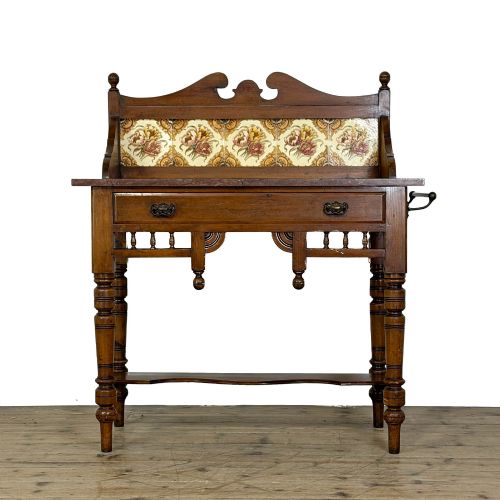
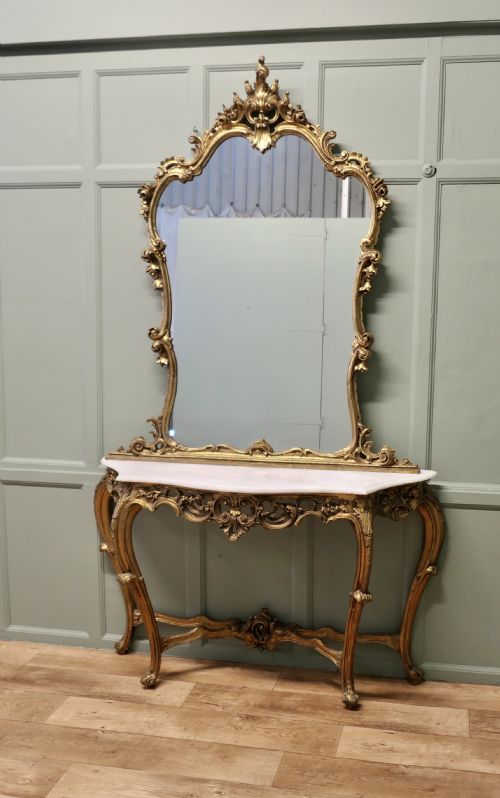
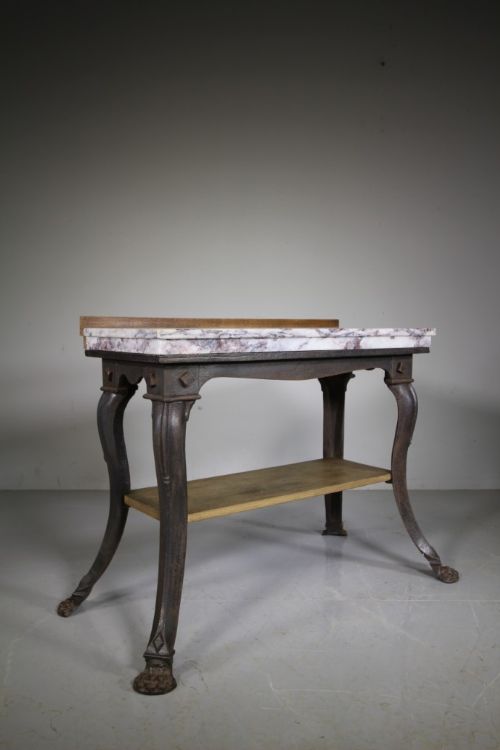
When you search for a marble hall stand, you find furniture built to hold coats, hats, and umbrellas in nineteenth- and early twentieth-century entrance halls. The examples available here span the Victorian and Edwardian periods, appearing in forms that include mahogany frames and cast iron structures.
Most pieces combine timber or metal frameworks with fitted marble shelves or tops designed to endure daily use. They often incorporate mirrors alongside compartments for sticks and umbrellas, serving practical domestic needs while making a visual statement near the front door.
How they were made
Joiners and metalworkers utilised durable materials such as oak, mahogany, cast iron, and wrought iron to construct the heavy frames required for these entrance pieces. Marble slabs were cut and polished to form resistant surfaces capable of handling damp items and everyday wear.
Carved wooden details, brass hooks, and inset glass mirrors were integrated into the main structures using traditional cabinet-making and metal-joining techniques. Several pieces also display inlaid woodwork or giltwood finishes reflecting styles from Victorian Gothic Revival to Louis XVI.
Marble Hall Stand Retail Price Guide 2026
Typical asking prices for marble hall stand among the pieces listed under this phrase on Sellingantiques today, from the lower quarter to the upper quarter. They describe what is for sale here now, not the wider market.
What varies in quality
The standard of a marble hall stand depends on the weight and figuring of the stone top, alongside the complexity of the timber carving or metal casting. Better examples display heavier, well-figured marble and robust framing that securely supports integrated mirrors and heavy coat hooks.
Finishing details distinguish finer items, such as crisp hand-carving on oak or mahogany structures and original brass fittings rather than later replacements. The integrity of the internal joints and the weight of the cast iron elements determine how well the piece survives heavy hallway use.
Coalbrookdale
The Marble Hall Stand Glossary
- Hallstand
- A piece of hallway furniture designed with hooks for coats and hats, and stands for umbrellas. These items typically include a mirror and a small shelf or compartment.
- Marble
- A metamorphic rock prized for its polished surface and natural veining. It is used on table tops and washstands to provide a hard, water-resistant surface.
- Cast iron
- An iron-carbon alloy poured into moulds to create rigid decorative shapes. This material appears frequently in structural frames and umbrella wells.
- Giltwood
- Wood that has been coated with gold leaf or gold paint. It is common on pieces influenced by continental decorative styles.
- Arts and Crafts
- A design movement valuing handcraftsmanship and simple materials. In these listings, it appears through inlaid mahogany construction.
Marble Hall Stand: Frequently Asked Questions
How do I clean the marble?
Use a damp cloth and mild soap to wipe the stone surface regularly. Avoid acidic cleaners that can etch the polished finish.
Dry the marble thoroughly with a soft cloth to prevent water spots and maintain its natural lustre over time.
Are these pieces heavy?
Most hall stands are exceptionally heavy due to the combination of dense hardwoods like oak or mahogany and thick slabs of marble. Cast iron versions add further weight to the base.
It is advisable to secure taller stands to the wall to ensure stability, particularly in busy entranceways.
Can I use a washstand as a hall stand?
Washstands and hall stands share similar materials, such as marble tops and wooden frames, but serve different original functions. Washstands are generally lower and lack the integrated coat hooks and mirrors found on hall stands.
Placing a washstand in a hallway works well if you require a surface for keys and small items rather than a tall coat rack.