


Marble Coffee Table
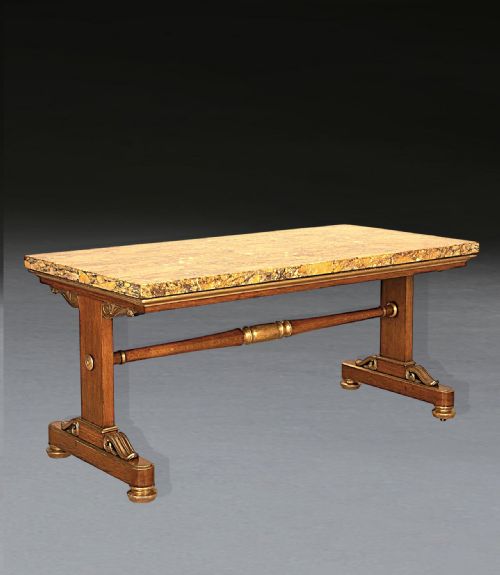
A marble coffee table brings solid stone tops and period timber or metal frames into a room, offering a durable surface with distinct historical character.
Marble Coffee Table
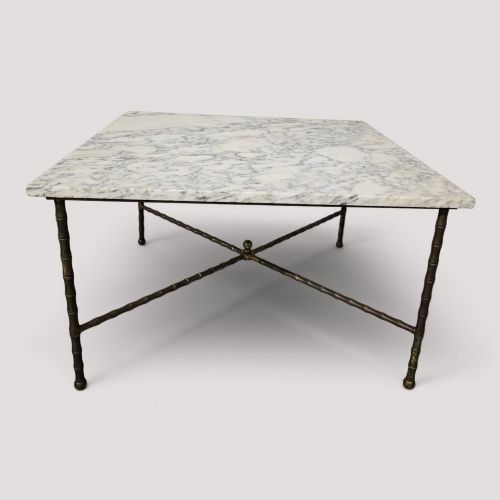
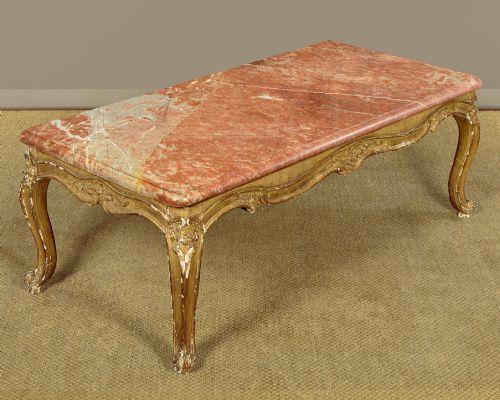
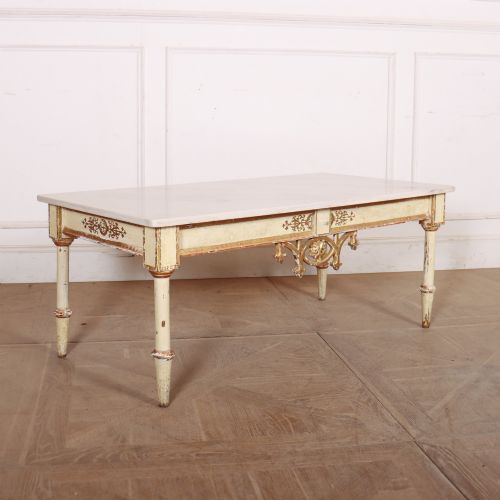
A marble coffee table combines a heavy stone surface with frames originating from the nineteenth and early twentieth centuries, drawing on styles such as French Rococo Revival, Louis XVI, and Neoclassical designs. Buyers find pieces ranging from small occasional tables and plant stands to low centre tables adapted for modern rooms.
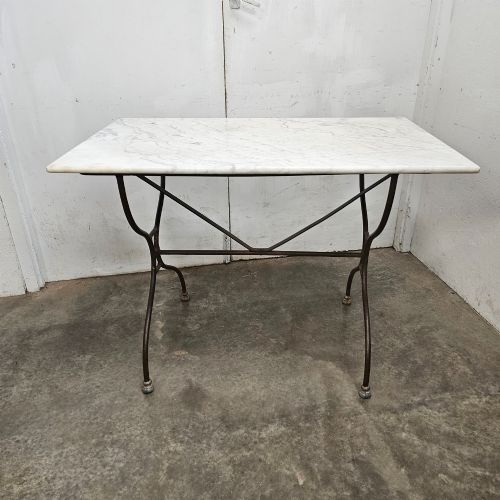
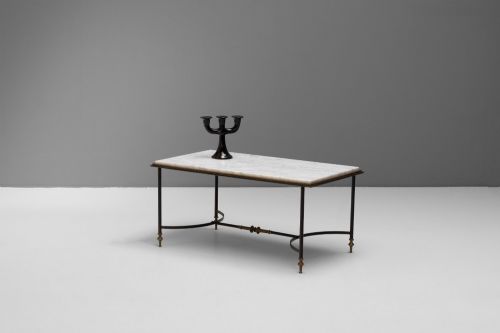
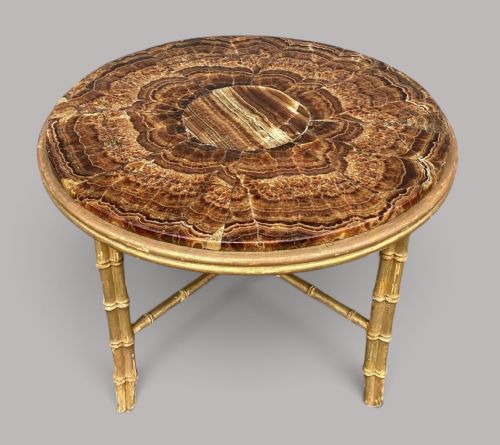
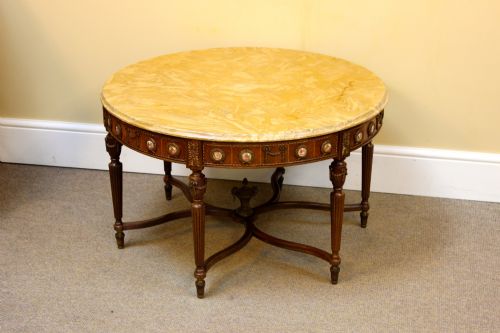
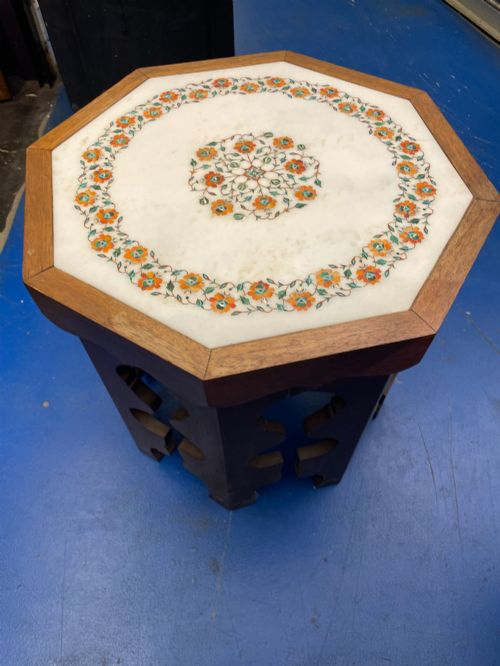
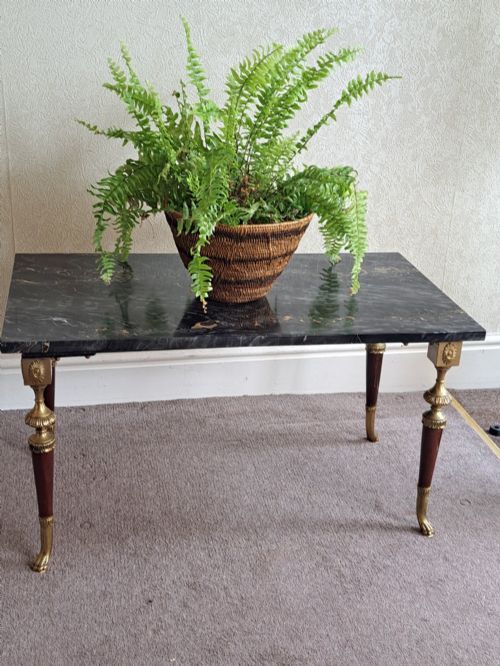
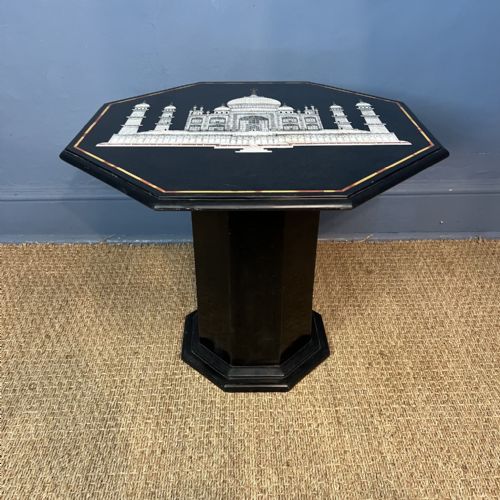
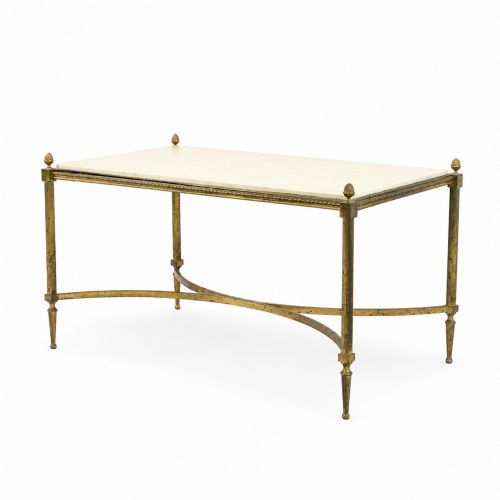
The selection here includes examples with circular, rectangular, and octagonal tops supported by materials like giltwood, brass, cast iron, and carved walnut. Many items originate from French workshops or Italian makers, showcasing regional decorative traditions from the eighteen-hundreds up through the nineteen-thirties.
How they were made
Makers combined natural stone slabs with structural frames of hardwood, mahogany, oak, or oriental timber, securing the heavy tops onto supporting aprons. Metal elements such as brass, gilt metal, and cast or wrought iron provided stable bases, often shaped with scrollwork or classical motifs.
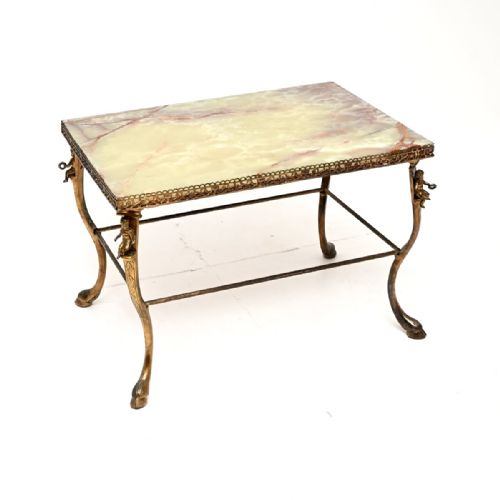
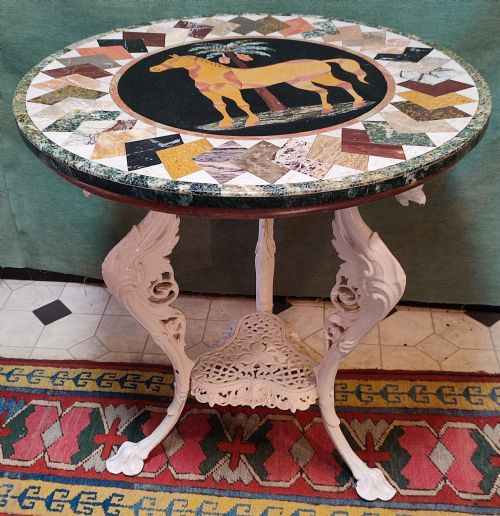
Surface ornamentation involved intricate techniques like pietra dura inlay, painted decoration, and carved giltwood or gilt brass detailing. Craftspeople shaped the marble and onyx into smooth surfaces, matching the stone directly to the period style of the base.
Listings feature marble and onyx surfaces supported by brass, cast iron, and various hardwoods across the nineteenth and twentieth centuries.
What varies in quality
The refinement of the carving on the wooden or gilt frames separates standard production from exceptional pieces, particularly in hand-carved walnut and giltwood structures. Superior items display crisp detailing in mounts, cast iron bases, and inlaid stone work.
The complexity of the stone top itself dictates the tier of the piece, with simple slabs sitting below elaborate specimen marble tops and intricate pietra dura or inlaid chess boards. The harmony between the stone slab and the supporting frame reveals the original ambition of the maker.
Masion Ramsay
The Marble Coffee Table Glossary
- Pietra dura
- An artistic technique using cut and fitted polished coloured stones to create geometric or figurative designs. This method appears on tabletops from the Victorian period and earlier Italian workshops.
- Specimen marble
- A tabletop composed of various small samples of different marbles arranged in geometric patterns. These were popular on Italian and English tables from the nineteenth century.
- Onyx
- A banded variety of chalcedony quartz often used as a polished top material. It provides a translucent alternative to standard marble on turn-of-the-century tables.
- Louis XVI style
- A neoclassical design vocabulary characterised by straight lines, symmetry, and classical motifs. Tables in this style often incorporate fluted legs and restrained brass mounts.
Marble Coffee Table: Frequently Asked Questions
Are these original period tables?
The selection spans pieces made during the nineteenth and early twentieth centuries, encompassing Edwardian, Victorian, and nineteen-thirties examples.
Many tables originate from European workshops adhering to traditional French and Italian design movements of those eras.
How do I clean marble?
Use a soft cloth dampened with warm water and a mild, non-acidic soap to wipe the surface clean. Avoid harsh chemicals or abrasive cleaners that can dull the polished stone finish.
Dry the marble thoroughly afterwards to prevent water spots from forming on the vintage surface.
Can these handle daily use?
Stone tops provide a resilient and hard-wearing surface suitable for everyday placement of cups, books, and decorative items. The solid wood or metal frames underneath offer sturdy support for regular domestic environments.
Care should be taken with heavy impacts near the edges of older inlaid or specimen tops.
How do I identify the style?
Examine the legs, aprons, and decorative motifs for clues such as the gilt scrollwork of Rococo Revival or the straight lines of Louis XVI pieces. The materials used, from cast iron to carved walnut, often point directly to the manufacturing period.
Regional details like pietra dura inlay suggest Italian origin, while brass mounts frequently indicate French production.