





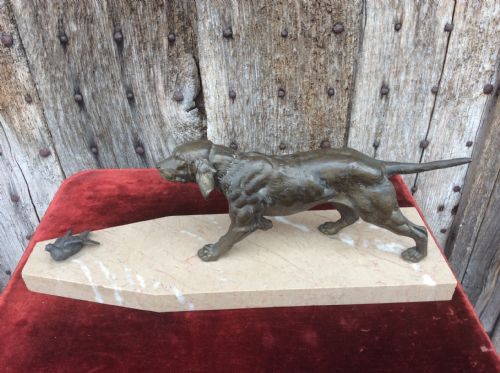

Marble Base Bird Sculpture
These marble base bird sculpture pieces combine the weight of stone with the lightness of avian form, bringing character to any mantelpiece.
Marble Base Bird Sculpture
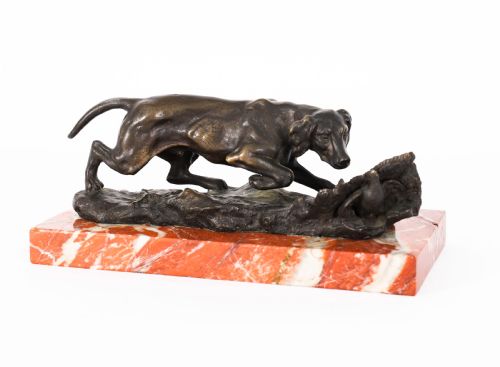
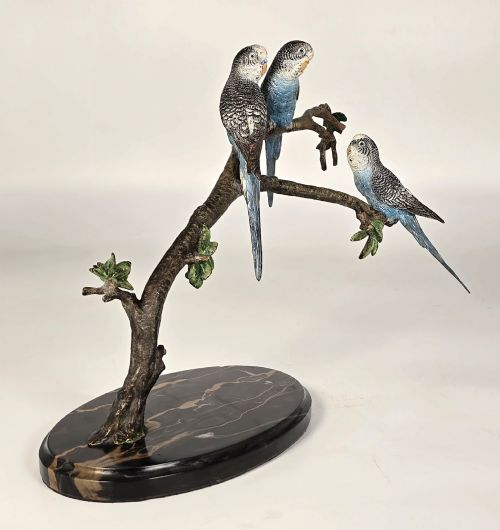
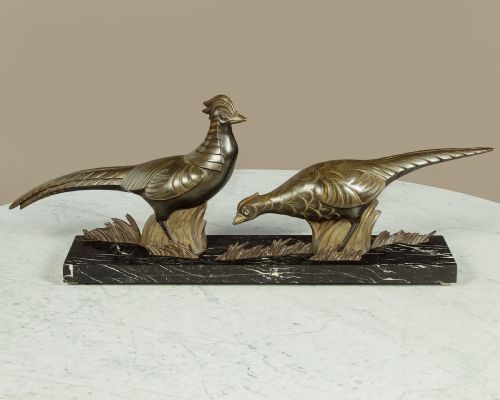
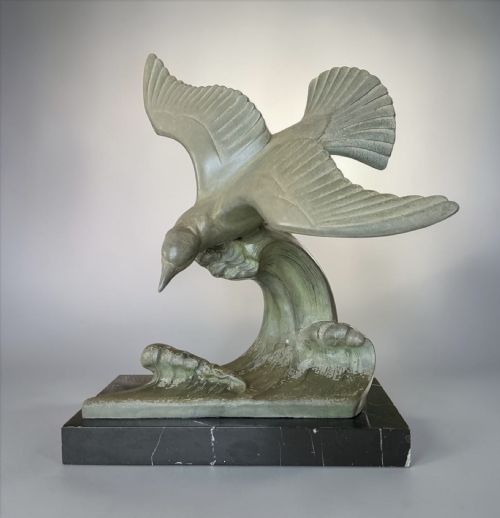
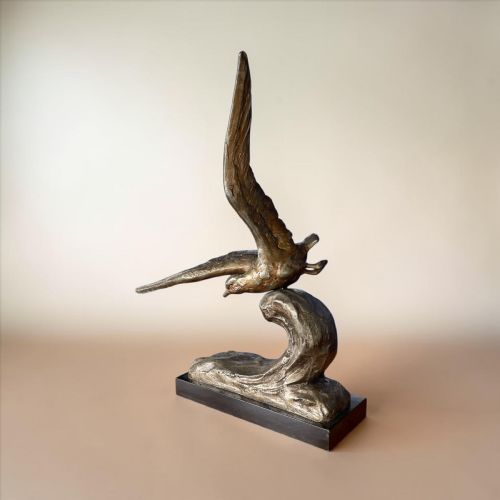
A marble base bird sculpture brings together natural stone plinths and avian subjects, spanning the late nineteenth and early twentieth centuries. You will frequently encounter Art Deco examples depicting pheasants, budgerigars, and seabirds mounted firmly on polished stone.
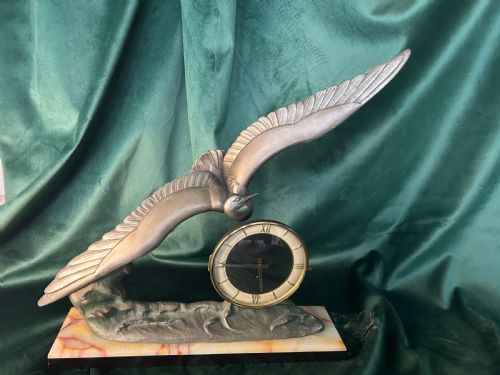
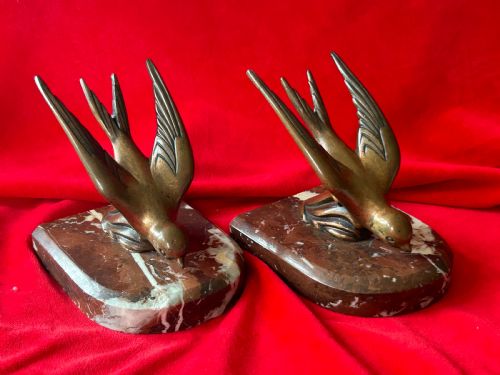
The objects range from freestanding shelf studies to functional pieces like bookends and night lights, all anchored by substantial bases. The birds themselves take various forms, from single gulls on the wing to pairs of budgerigars perched on branches.
Materials and construction
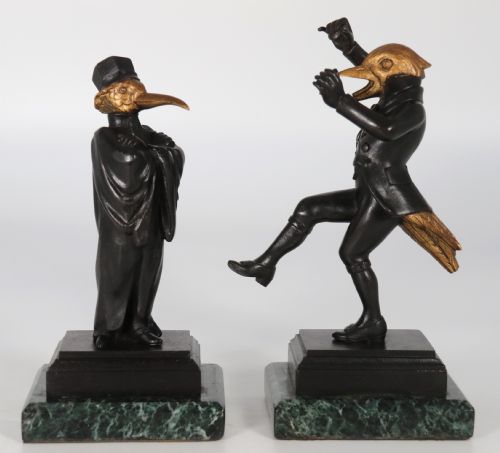
Foundries cast these figures primarily in bronze, sometimes employing patinated metal, brass, or spelter for the animal subjects. Cold painting adds colour to specific birds, while French and Austrian makers utilised various finishes to achieve realistic plumage.
The mounting involves heavy plinths of black marble, standard marble, onyx, or granite to support the metal figures securely. These stone bases are cut and polished into rectangular or stepped blocks to provide a stable foundation.
The aviary comes indoors through these studies, capturing theatrical birds, budgerigars, and working dogs frozen in mid-flight or pose.
Judging quality and execution
The fidelity of the casting dictates the distinction between standard and superior pieces, particularly in the rendering of feathers and anatomy. Skilled finishing work ensures the metal integrates cleanly with the stone plinth without visible awkwardness.
The selection of the base material itself influences the overall impact, with dense black marble or varied onyx offering a more striking contrast than plain stone. Preserved surface treatments, whether original cold paint or subtle patination, preserve the intended aesthetic.
Carl Kauba·Zoldan Kovats·Paul Joris·P. Marec·Becquerel
The Marble Base Bird Sculpture Glossary
- Animalier
- A term for nineteenth-century art that realistically depicts animals, particularly in bronze. This movement produced many dynamic studies of wildlife.
- Art Deco
- A design style from the early decades of the twentieth century characterised by sleek lines and stylised forms. It heavily influenced European sculpture and decorative objects.
- Cold painted
- A technique where paint is applied to metal without firing, common in Austrian animal bronzes. This method allows for vivid, naturalistic colouring of plumage.
- Spelter
- A zinc alloy frequently used as a cheaper alternative to bronze in decorative metalwork. It accepts patination readily to mimic more expensive materials.
- Patinated metal
- Metal treated with chemicals or heat to produce a specific surface colour and finish. This process protects the material and enhances visual depth.
Marble Base Bird Sculpture: Frequently Asked Questions
How do I clean marble bases?
Dust the stone regularly with a soft, dry cloth to prevent dirt accumulation.
Avoid using harsh chemical cleaners or excess water, which can damage the polish and seep into any joints with the metal figure.
Are these sculptures French or Austrian?
The pieces originate from various European centres, with French and Austrian foundries being particularly prominent.
French pieces often lean towards Art Deco stylisation, whilst Austrian workshops frequently utilised cold painting for realistic bird studies.
How do I date a piece?
Examine the materials and styling, as Art Deco designs typically point towards the interwar decades.
Signatures, foundry marks, and the specific type of marble or bronze patination also help narrow down the period of production.
Where should I display them?
These sculptures suit stable, flat surfaces like mantelpieces, sideboards, or bookshelves where their weight is supported.
Position them away from direct sunlight and moisture to protect the patination on the metal and the finish of the stone.