







Marble and Bronze Bookends
Marble and bronze bookends bring weight and classical form to a library shelf, pairing heavy stone plinths with cast metal figures.
Marble and Bronze Bookends
Marble and bronze bookends combine architectural stone bases with sculptural metal figures to hold volumes upright on a shelf. When you search for marble and bronze bookends, you encounter heavy functional pieces designed in periods ranging from the nineteenth century through the Art Deco era.
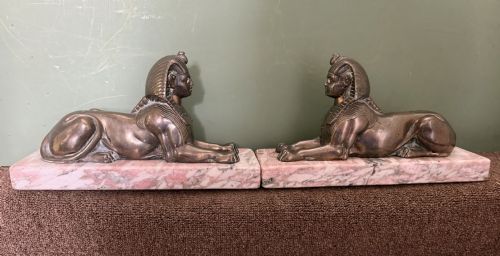
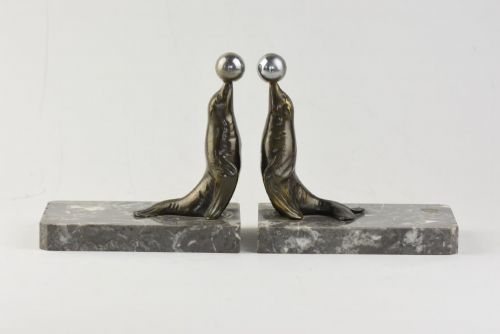
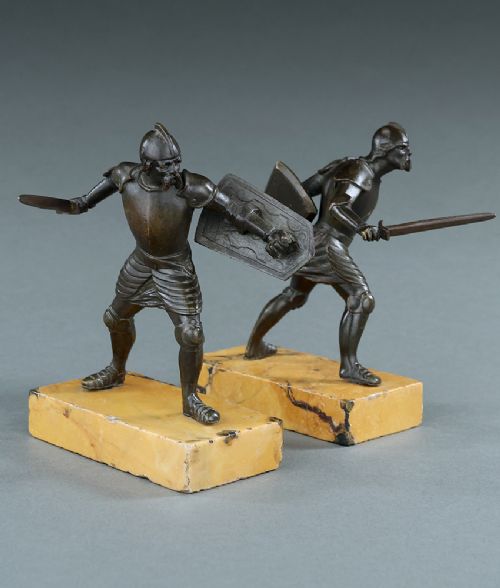
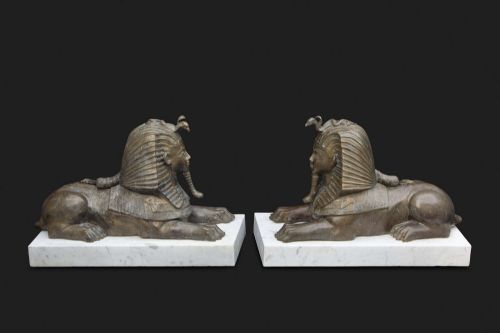
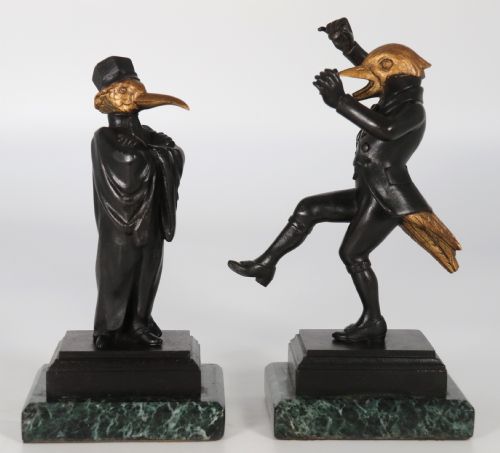
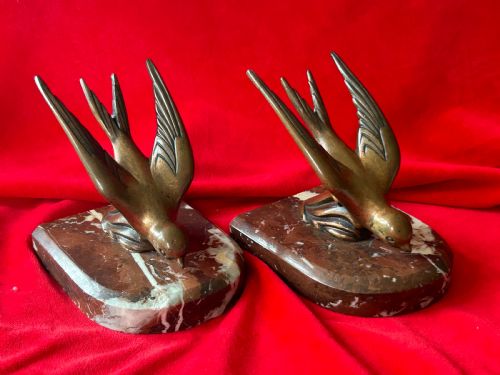
The assortment on this page leans heavily towards twentieth-century examples, particularly Art Deco depictions of animals and birds alongside earlier nineteenth-century classical revivals. Common subjects include recumbent sphinxes, lions, owls, squirrels, elephants, and theatrical figures mounted upon rectangular plinths.
These objects bridge the gap between functional desk accessories and small-scale sculpture. Many pieces utilise cast spelter or patinated metal alongside genuine bronze, anchored by varieties of marble such as Carrara and Sienna.
What varies in quality
The choice and preparation of the stone base also influence the overall standard. Dense, well-figured marble with clean, polished edges provides a superior visual weight compared to plain or roughly cut stone foundations.
Marble and Bronze Bookends Retail Price Guide 2026
Typical asking prices for marble and bronze bookends among the pieces listed under this phrase on Sellingantiques today, from the lower quarter to the upper quarter. They describe what is for sale here now, not the wider market.
The listings span multiple eras, encompassing nineteenth-century classical revivals alongside twentieth-century Art Deco animal studies in marble, bronze, and spelter.
The Marble and Bronze Bookends Glossary
- Spelter
- A zinc-based alloy commonly utilised as a cheaper alternative to bronze for twentieth-century decorative castings. It takes patination well but is softer and more brittle than genuine bronze.
- Patination
- The surface coloration or tarnish developed naturally over time or applied artificially by an artisan. It highlights the contours and age of the metal.
- Carrara marble
- A type of white or blue-grey marble quarried in Italy, frequently utilised for classical and Art Deco sculpture bases. It is prized for its fine, uniform grain.
- Plinth
- The heavy block of stone or marble upon which the sculptural figure is mounted. It provides the necessary mass to anchor the bookend against heavy volumes.
Marble and Bronze Bookends: Frequently Asked Questions
Are spelter bookends worth collecting?
Spelter represents a legitimate period material widely utilised during the Art Deco and early twentieth-century eras for decorative figures. While generally valued lower than solid bronze, fine castings retain strong decorative appeal and historical interest.
Collectors appreciate them for capturing the spirit of their era at a different scale of production. Their value depends entirely on the artistic quality of the model and the integrity of the original finish.
How can I tell the difference between bronze and spelter?
Bronze is a heavier, copper-based alloy that develops a warm, stable patina and rings with a clear tone when lightly tapped. Spelter is lighter, softer, and often shows a greyish metal underneath worn spots in the surface finish.
Magnification reveals the sharper grain and denser molecular structure typical of cast bronze. Spelter castings occasionally exhibit minor surface pitting or crispness loss due to the lower melting temperature of the zinc alloy.
Where should I place these bookends?
Position them at the ends of a sturdy bookshelf or heavy desk arrangement where their considerable mass can safely secure a row of volumes. Ensure the supporting shelf is level and capable of holding the combined weight of dense stone and metal.
Keep the pieces away from direct sunlight and areas of high humidity to protect the integrity of the marble polish and the stability of the metal surface.