



Maple Wood Desk
A maple wood desk brings pale, figured timber and clean grain into a room, offering a functional workspace with distinct character.
Maple Wood Desk
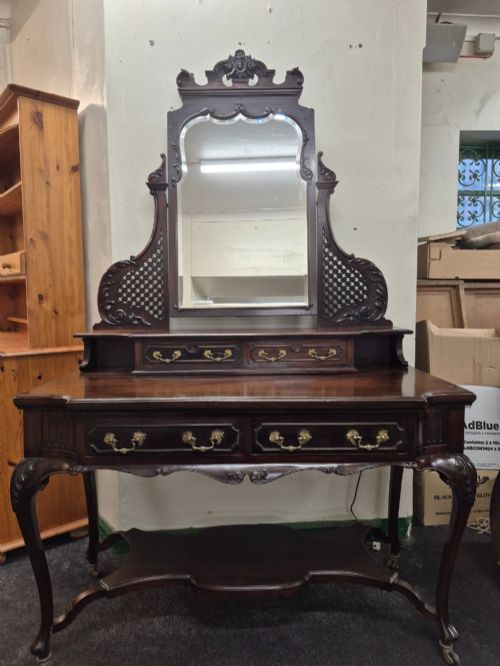
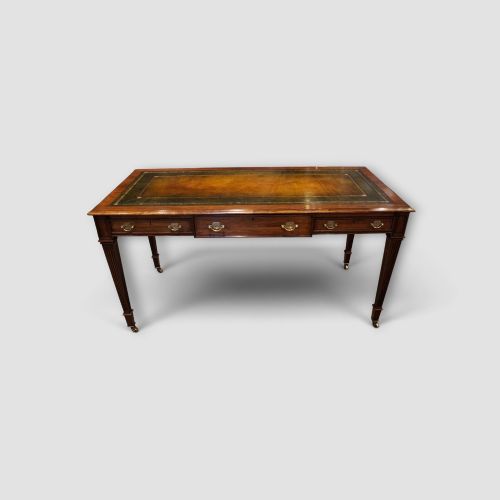
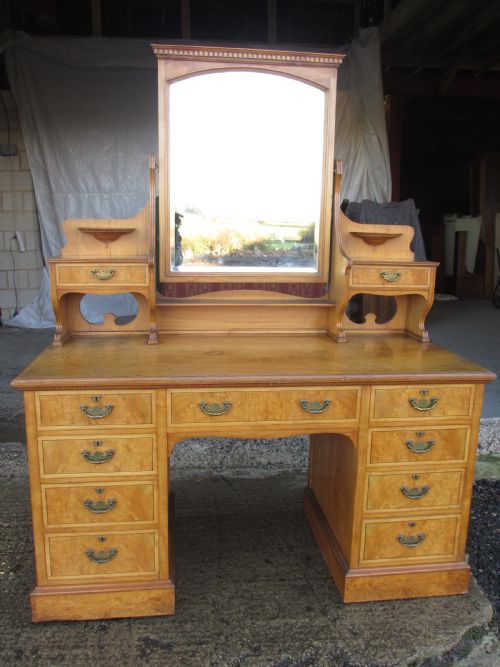
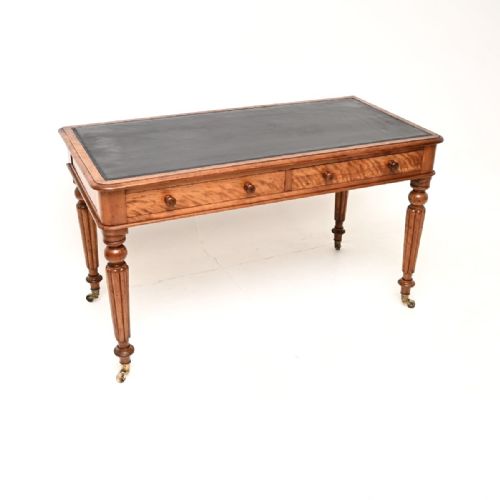
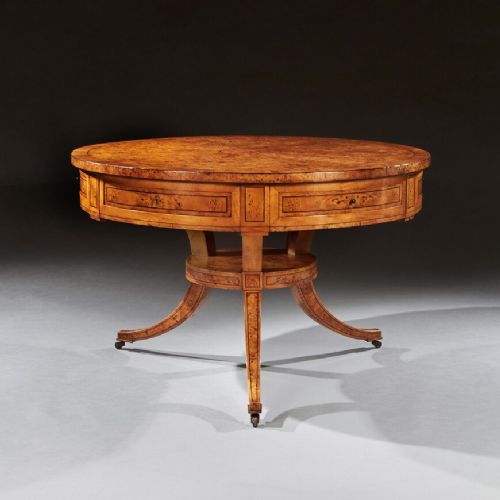
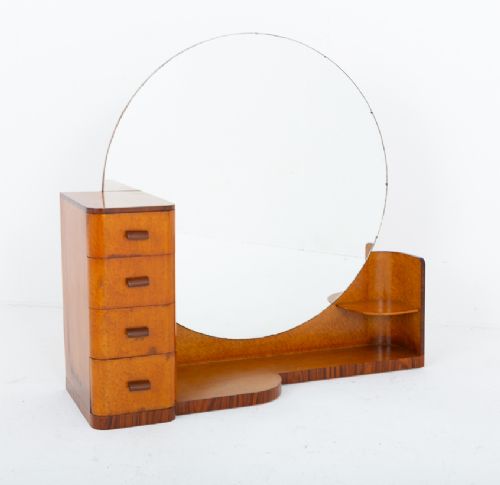
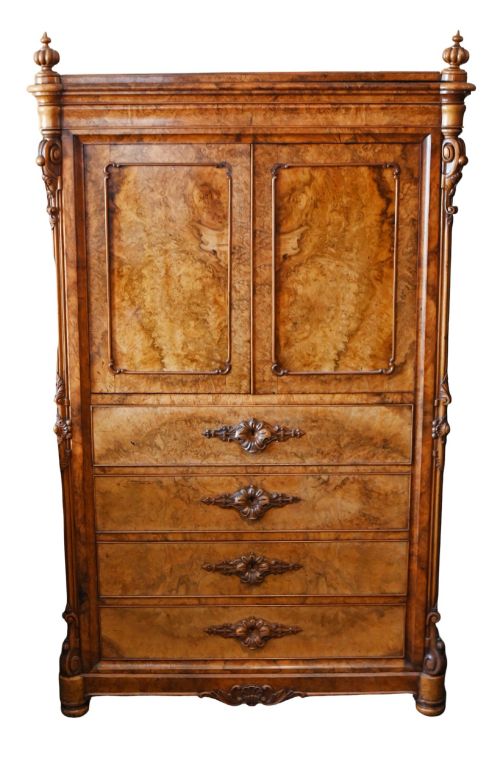
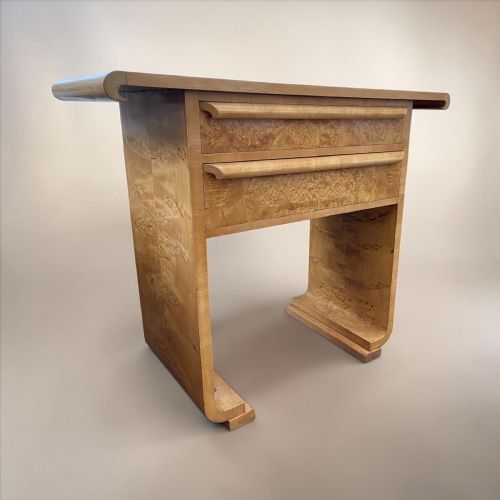
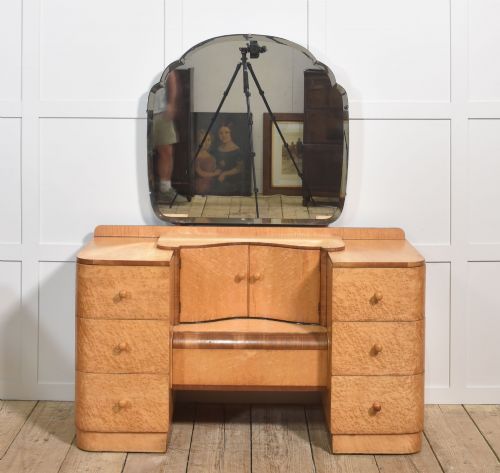
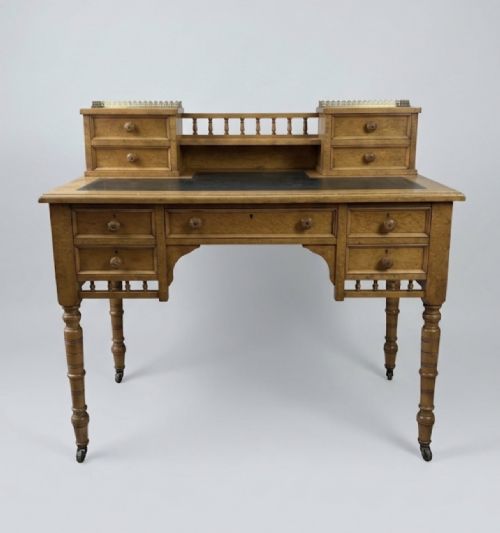
When you search for a maple wood desk, you encounter a variety of forms ranging from pedestal writing desks and secretaire cabinets to dressing tables adapted for workspace use. These pieces span multiple eras, with examples originating from the nineteenth century through the Art Deco period of the 1930s.
The assortment includes English, French, and Scandinavian designs, showing styles that move from Victorian Gothic Revival and Biedermeier to streamlined Modernism. Pedestal desks and writing tables form the core of the selection, often accompanied by superstructure drawers or fitted interiors.
Makers and designers from notable firms appear among the pieces, alongside regional furniture traditions that favoured light timbers. The timber itself varies considerably in appearance, utilising burr maple and birdseye maple to create patterned surfaces.
Materials and construction
Makers utilised distinct varieties of maple, specifically selecting birdseye maple and burr maple for their striking figures and decorative grain patterns. These veneers and solid timbers were frequently paired with contrasting secondary woods and fitted with brass hardware.
Writing surfaces incorporated secondary materials such as leather inserts, while dressing tables and secretaire desks often integrated mirror glass and intricate internal drawer arrangements. Construction techniques reflect the prevailing cabinet-making standards of the Georgian, Victorian, and Art Deco eras.
Maple Wood Desk Retail Price Guide 2026
Typical asking prices for maple wood desk among the pieces listed under this phrase on Sellingantiques today, from the lower quarter to the upper quarter. They describe what is for sale here now, not the wider market.
Materials documented across the pieces include birdseye maple, burr maple, brass, leather, and mirror glass.
Factors of quality
Quality in these desks rests upon the selection and matching of the maple veneer, where uniform figure and careful grain orientation elevate the visual impact of the piece. The skill with which secondary materials like leather and brass are integrated also dictates the standard of the manufacture.
Structural integrity, particularly in the movement of drawers and the stability of pedestals or superstructures, separates standard production items from finer workshop pieces. The clarity of the finish and the preservation of the original timber surface remain central to each piece's standing.
Fortnum and Mason·Harry and Lou Epstein·Hille
The Maple Wood Desk Glossary
- Birdseye maple
- A figure in maple wood where the grain swirls in small circular patterns resembling bird eyes. This growth pattern is highly valued for decorative veneer.
- Secretaire desk
- A piece of furniture incorporating a writing drawer or fold-down writing flap that conceals small compartments and drawers. It combines storage with a designated writing surface.
- Pedestal desk
- A heavy freestanding desk supported by two pedestals or columns of drawers on either side of a central opening. This form provides substantial storage beneath the writing top.
- Superstructure
- An additional set of small drawers or compartments built upon the main top surface of a desk. It offers extra organisational space within arm's reach.
- Biedermeier
- A central European style from the nineteenth century prioritising utilitarian comfort and clean lines over excessive ornamentation. It frequently highlights the natural grain of light timbers like maple.
Maple Wood Desk: Frequently Asked Questions
What is a maple wood desk?
A maple wood desk is a writing or work table constructed primarily from maple timber or finished with maple veneers. These pieces range from nineteenth-century pedestal forms to 1930s Art Deco designs.
They often feature distinctive grain figures such as birdseye or burr maple, giving the surfaces a patterned appearance that sets them apart from darker hardwoods.
How do I identify Art Deco maple desks?
Art Deco maple desks, typically dating around the 1930s, exhibit streamlined silhouettes, geometric lines, and minimal ornamentation. They often rely entirely on the natural pattern of the birdseye maple veneer for visual interest.
Unlike heavier Victorian iterations, these pieces lean towards modernist forms and may include matching dressing tables or console components.
Where were these desks made?
The desks originate from various European centres, including England, France, and Scandinavia. Each region brought distinct cabinet-making traditions to the furniture.
English pieces often follow Victorian or Georgian proportions, while French and Swedish examples frequently incorporate Biedermeier influences and lighter finishes.
How do I care for a maple desk?
Caring for a vintage maple desk involves keeping it away from direct sunlight and maintaining stable humidity levels to protect the delicate veneers. Regular dusting with a soft, dry cloth preserves the finish.
Harsh chemical polishes should be avoided in favour of traditional waxes suited to antique wood surfaces.