



Maple Wood Carving
Maple wood carving brings domestic warmth and intricate grain patterns into a room, offering both practical furniture and decorative accessories crafted from figured timber.
Maple Wood Carving
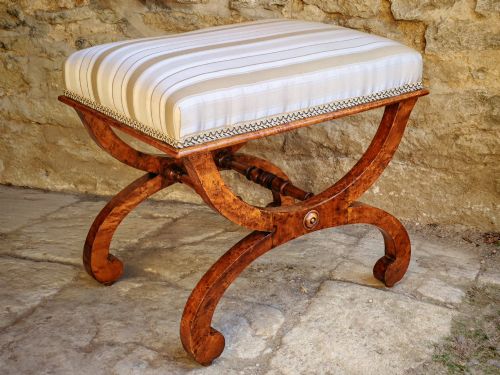
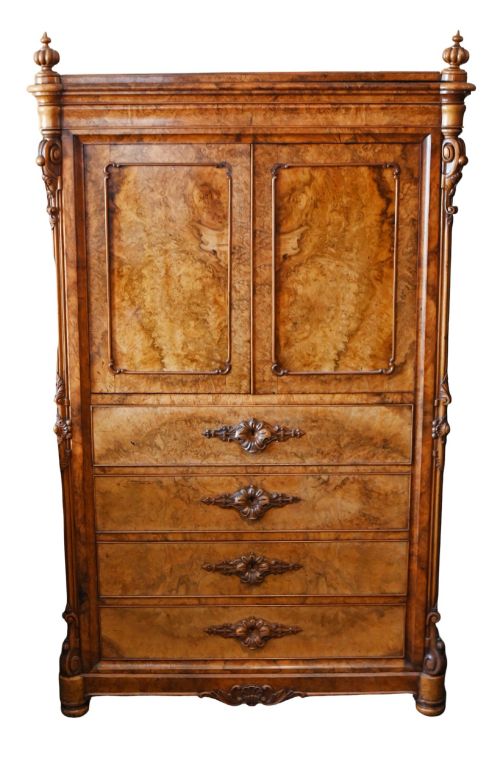
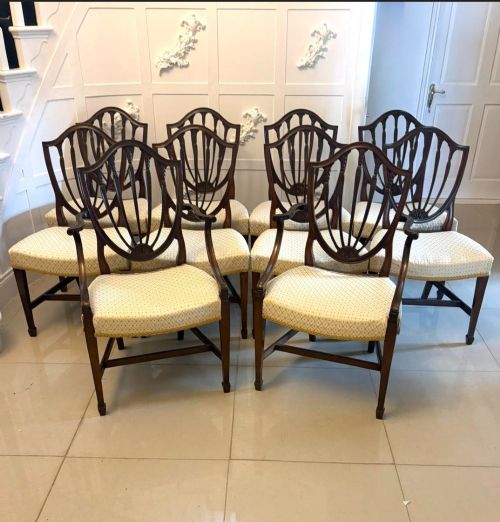
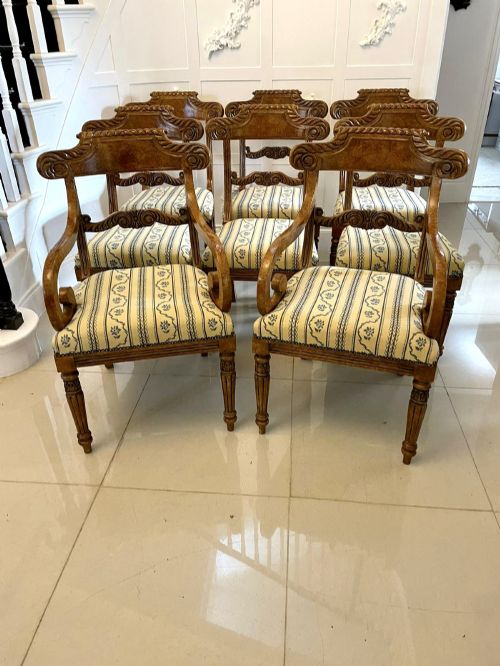
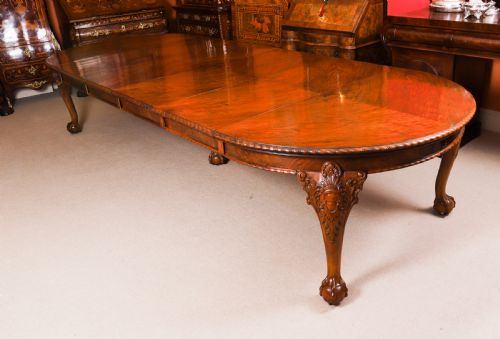
Maple wood carving encompasses functional furniture and smaller decorative objects shaped from close-grained timber, including dining chairs, stools, tea tables, and small boxes. Pieces span periods from the nineteenth century into the early twentieth century, reflecting styles such as Victorian, Edwardian, and Louis Philippe.
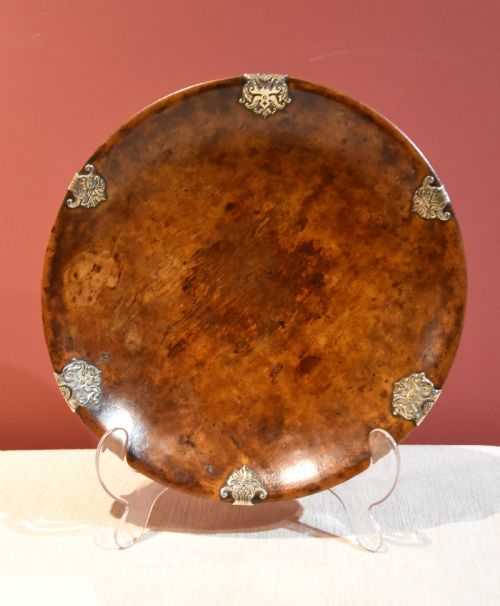
Buyers encountering maple wood carving on this page will most frequently find items utilising birdseye maple and burr maple veneers or solid timber. Forms range from seating and storage cabinets to smaller treen items like snuff boxes and book slides.
Assessing Quality and Execution
Quality rests in the selection of the timber and the handling of the veneer, where intensely figured birdseye or burr maple commands attention. The crispness of carved details and the integration of secondary woods dictate the refinement of the piece.
Proportion and structural integrity differentiate standard utility items from finer examples. Well-balanced forms with careful attention to grain alignment and timber matching represent the upper tier of craftsmanship.
Maple Wood Carving Retail Price Guide 2026
Typical asking prices for maple wood carving among the pieces listed under this phrase on Sellingantiques today, from the lower quarter to the upper quarter. They describe what is for sale here now, not the wider market.
Listings feature items spanning the eighteenth century to the 1930s, constructed from maple, birdseye maple, and burr maple alongside brass and glass.
Maple & Co
The Maple Wood Carving Glossary
- Birdseye maple
- A figure in maple wood where the grain swirls around small spots resembling birds' eyes. This pattern occurs naturally and is prized for decorative veneer work on furniture surfaces.
- Burr maple
- A growth on a maple tree resulting in distorted, highly figured grain patterns. It provides rich visual texture when sliced into veneers for cabinets and tables.
- Teapoy
- A small stand or table designed to hold tea caddies, popular during the Georgian and Victorian periods. They often feature compartments inside and elaborate timber construction.
- Book slide
- An adjustable stand designed to hold books upright on a desk or table. These items frequently incorporate decorative wood carving or metal mounts.
- Biedermeier
- A Central European style of furniture design from the nineteenth century characterised by utilitarian comfort and clean lines. It frequently utilises native timbers like maple and birch without excessive ornamentation.
Maple Wood Carving: Frequently Asked Questions
How do I care for maple furniture?
Keep maple items away from direct sunlight and steady heat sources to prevent the timber from drying out or splitting. Dust regularly with a dry cloth and avoid harsh chemical polishes.
Applying a traditional beeswax occasionally helps nourish the wood and maintain the natural lustre of the grain without building up heavy residues.
What is birdseye maple?
Birdseye maple is a distinctive variation in sugar maple timber where tiny circular patterns disrupt the straight grain. These dots resemble the eyes of small birds and occur naturally within the tree.
Cabinet makers slice this figured wood into thin veneers to cover large surfaces on tables, chests, and cabinets, creating a highly decorative finish.
How are different periods identified?
Period attribution relies on construction methods, hardware, and stylistic traits associated with specific eras like the Victorian or Edwardian periods. Examining the secondary timbers used inside drawers or frames provides further clues.
Changes in design fashions and finishing techniques over the nineteenth and twentieth centuries help place pieces within their historical context.