





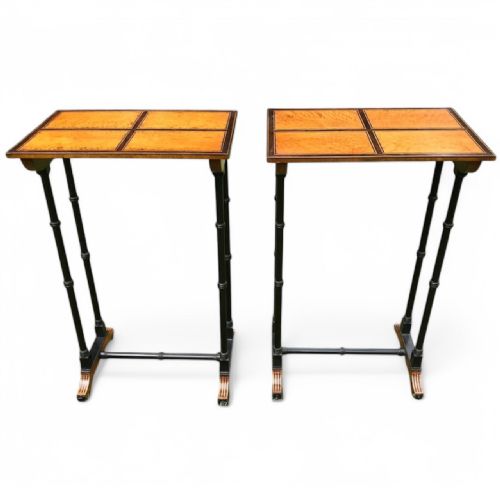


Maple Occasional Table
A maple occasional table brings character to a corner, offering a warm surface for a lamp or a book.
Maple Occasional Table
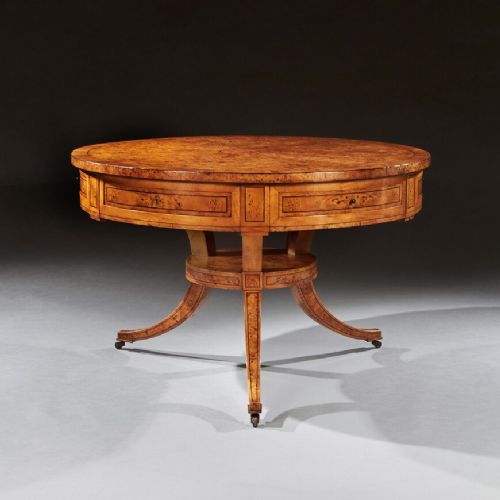
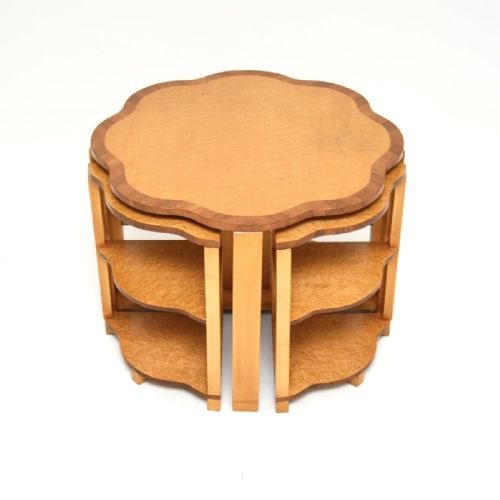
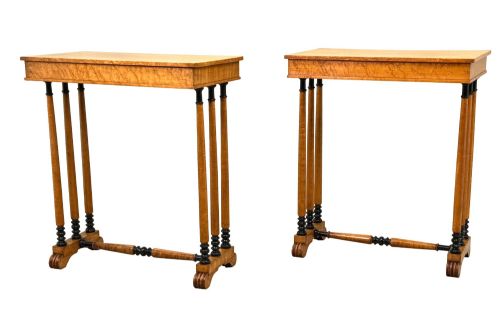
A maple occasional table serves as a versatile small surface, frequently found in side, coffee, nest, and card table forms. When searching for a maple occasional table, buyers often encounter pieces displaying the distinctive grain patterns of birds eye and burr maple.
The selections span distinct periods, including Regency, Victorian, Edwardian, and Art Deco eras. Makers such as Maple & Co and Howard & Sons London appear alongside Biedermeier and uncredited English workshops.
Forms range from simple circular tripod wine tables to two-tier coffee tables, folding drop-leaf designs, and sofa tables. These pieces utilise maple alongside contrasting woods like walnut, rosewood, mahogany, and ebonised timber.
How they were made
Cabinet makers utilised decorative veneers of birds eye maple and burr maple over solid secondary woods, often framing the figured grain with contrasting borders of rosewood, walnut, or ebonised wood. Inlaid specimen wood veneers and marquetry added geometric or floral detail to tabletops.
Turning and joinery methods varied by period, from the sweeping curves of Art Deco bases and Biedermeier frames to Regency pedestals and Victorian tripod supports. Brass fittings and drop-leaf mechanisms frequently supplemented the wooden construction.
Maple Occasional Table Retail Price Guide 2026
Typical asking prices for maple occasional table among the pieces listed under this phrase on Sellingantiques today, from the lower quarter to the upper quarter. They describe what is for sale here now, not the wider market.
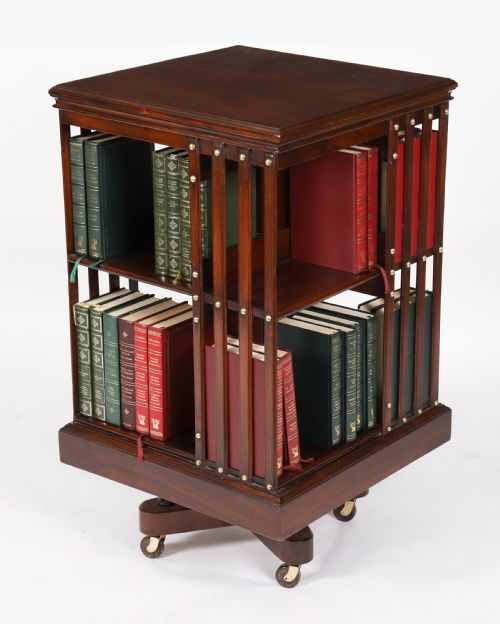
Some tables double as revolving bookcases or hidden work-boxes, proving that Victorian furniture designers loved secret compartments.
What varies in quality
The visual impact rests largely on the choice and matching of timber veneers, where intensely figured birds eye maple or burr maple displays greater depth and movement. Finer examples exhibit crisp inlay work and harmonious pairings with secondary timbers such as rosewood or ebony.
Structural integrity and proportion distinguish standard production from superior craftsmanship. The precision of the joinery, the stability of multi-tier or folding formats, and the subtlety of the finish determine the standing of each piece.
Maple & Co·The Hille Furniture Company·Howard & Sons London
The Maple Occasional Table Glossary
- Birds Eye Maple
- A figure in maple wood resembling small, swirling eyes caused by local distortions in the grain growth. This figuring is highly prized for tabletops and cabinet veneers.
- Burr Maple
- A growth deformity on a maple tree that produces intricate and swirling grain patterns when sliced into veneer. It creates a rich, mottled surface texture.
- Biedermeier
- A Central European style dating from the nineteenth century characterised by utilitarian comfort, clean lines, and polished light-coloured woods without excessive ornamentation.
- Occasional Table
- A small, movable table designed for a specific, intermittent use such as holding a lamp, book, or drinks. These forms include coffee tables, side tables, and wine tables.
- Specimen Wood
- Small pieces of various contrasting timbers used in geometric or pictorial inlay patterns. Makers utilised these to demonstrate precision and variety.
Maple Occasional Table: Frequently Asked Questions
What periods do these tables come from?
The pieces span the nineteenth century through the Art Deco period of the 1930s. Regency, Victorian, and Edwardian examples are common.
Craftsmanship and timber choices shift across these eras, moving from nineteenth-century figuring to streamlined Art Deco forms.
Where were these tables used originally?
These tables served various functions in drawing rooms, sitting rooms, and bedrooms as convenient movable surfaces. Card tables, sofa tables, and nests of tables accommodated different daily activities.
Their portable nature allowed them to be repositioned easily around a room.
Are these tables solid maple?
Many examples utilise fine veneers of birds eye or burr maple laid over structural woods like mahogany, walnut, or oak. This technique displayed the decorative grain on the surface.
Solid maple or secondary timbers were used for the frames, legs, and internal structures.