




Maple Framed Picture
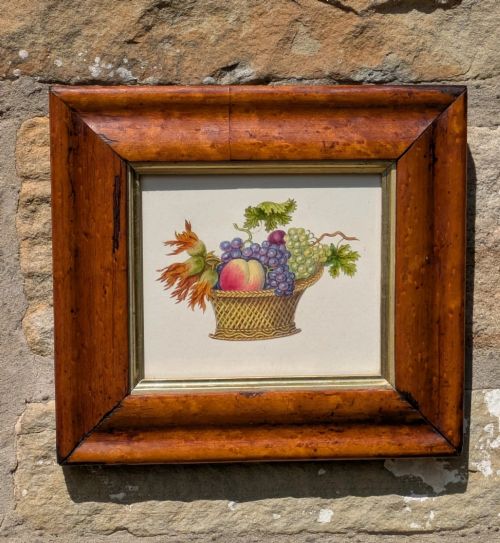
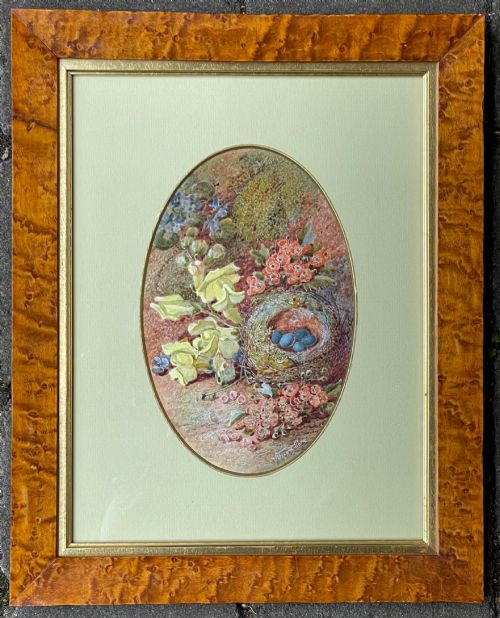
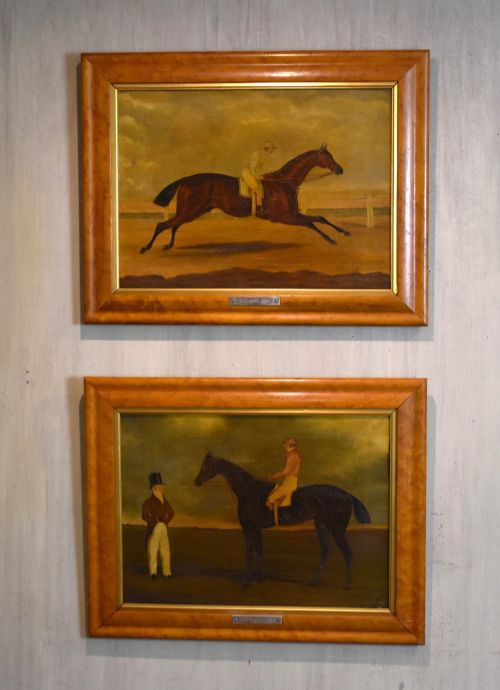
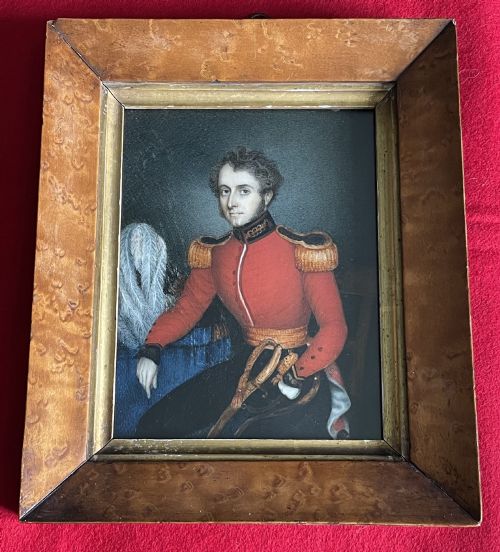
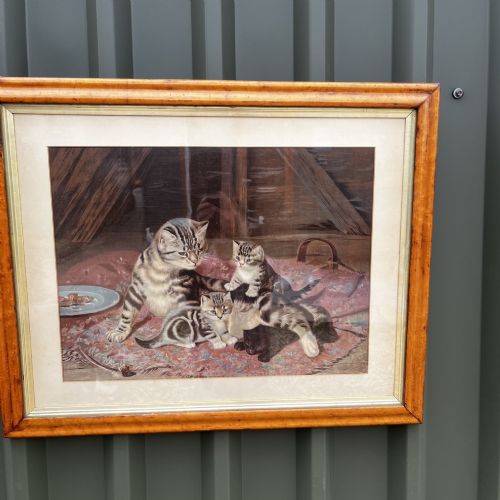
A maple framed picture brings warm timber grain and domestic character to a wall, enclosing watercolours, needlework, and prints from the Georgian and Victorian eras.
Maple Framed Picture
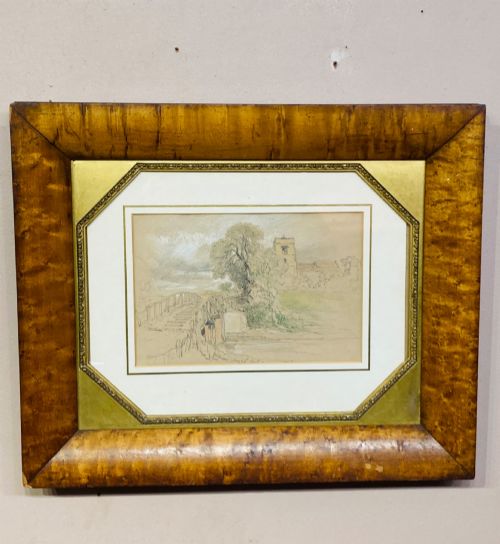
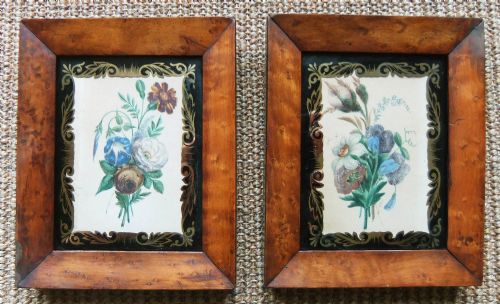
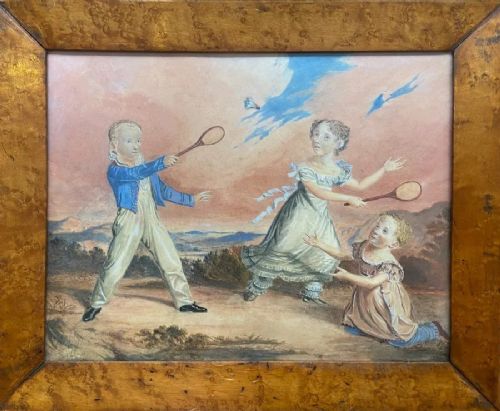
A maple framed picture encompasses a wide variety of nineteenth-century wall art, ranging from delicate watercolours and oil paintings to needlework samplers and silhouettes. These items reflect the domestic tastes of the Georgian, Regency, and Victorian periods, often depicting portraits, landscapes, and sporting scenes.
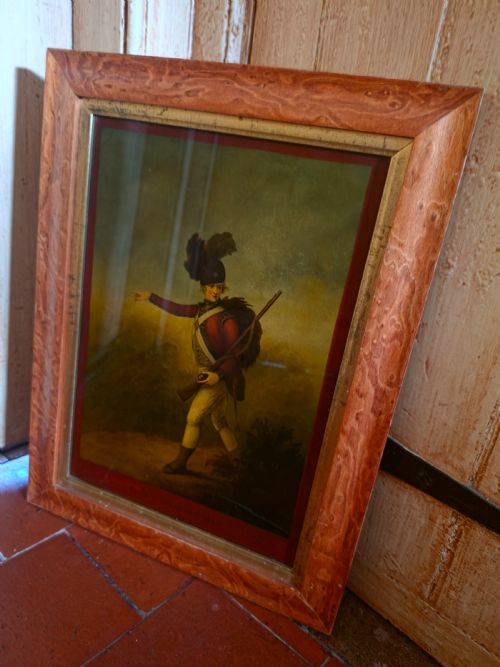
The most common examples on this page pair nineteenth-century watercolours, prints, or textiles with distinctive golden-amber wood mouldings. Buyers encounter everything from small portrait miniatures and reverse glass engravings to large floral studies and wool embroidery.
How they were made
Makers constructed the characteristic frames from maple and burr maple timber, utilising the distinctive bird's-eye figure and mottled grain to create a warm decorative border. Glaziers fitted glass over paper, silk, and canvas works, occasionally adding gold leaf accents or secure wooden backboards.
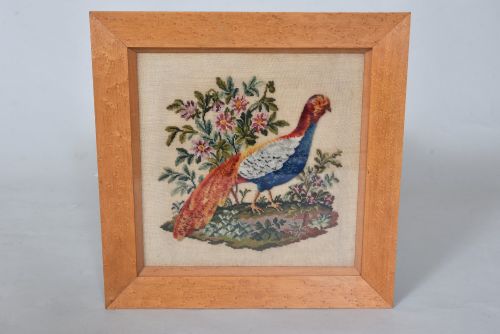
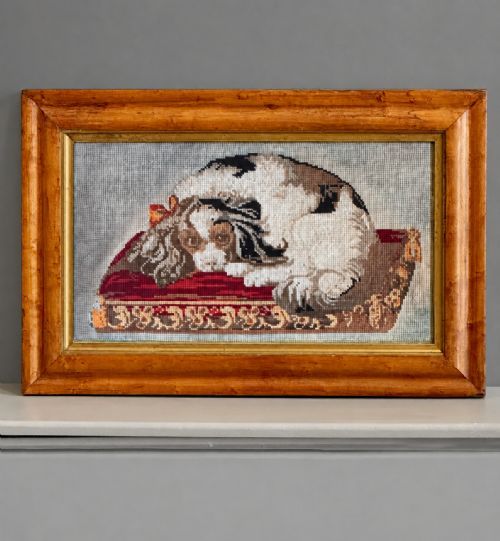
Artists and craftspeople employed diverse media including watercolour, oil on panel, chromolithography, and silk floss needlework. Berlin work and plushwork provide textural depth, while reverse glass techniques protect delicate painted details directly behind the pane.
Maple Framed Picture Retail Price Guide 2026
Typical asking prices for maple framed picture among the pieces listed under this phrase on Sellingantiques today, from the lower quarter to the upper quarter. They describe what is for sale here now, not the wider market.
Listings feature eighteenth and nineteenth-century works, uniting maple wood with paper, glass, silk, and watercolour.
What varies in quality
Quality depends upon the depth of figure in the maple veneer and the crispness of the framing mitres. Highly figured burr timber displays complex grain patterns that command greater visual attention than plain sawn equivalents.
The artistic execution of the enclosed artwork dictates overall merit, separating competent domestic craft from accomplished professional portraiture and painting. Original mountings and undisturbed backing materials preserve historical integrity.
Henry Lines·Vincent Clare·Horatio Henry Couldrey·John Frederick Herring Snr·Augustin Edouart·Robert Faulkner·John Ferneley Jnr
The Maple Framed Picture Glossary
- Maple frame
- A wooden picture moulding fashioned from maple timber, prized for its distinctive bird's-eye or striped grain pattern. These surrounds frequently house nineteenth-century works on paper and textiles.
- Reverse glass painting
- An artwork executed directly onto the rear surface of a glass pane so that the final image is viewed through the transparent material. This technique produces a glossy finish that protects the pigment from atmospheric dirt.
- Berlin work
- A style of needlework popular during the nineteenth century that used brightly coloured wools worked over canvas grids. It often depicted animals, floral arrangements, or sentimental scenes.
- Silhouette
- A solid dark profile portrait cut from paper or painted onto a pale background, popular during the Georgian and Regency eras. These likenesses offer intimate records of sitters before the widespread adoption of photography.
- Woolie
- A sailor's embroidery created using coloured wool yarn, depicting maritime vessels or patriotic themes. Makers constructed these textured textile pieces during long voyages at sea.
Maple Framed Picture: Frequently Asked Questions
What periods do maple framed pictures come from?
The pieces span the Georgian, Regency, and Victorian eras, with the majority originating in the nineteenth century.
Craftsmen selected maple wood across these decades to house popular domestic art forms like watercolours, prints, and needlework.
How do I care for a maple framed picture?
Keep the artwork away from direct sunlight to prevent the watercolour pigments, textiles, and wood grain from fading over time.
Dust the maple moulding gently with a dry cloth and avoid using liquid cleaners on the timber or glass.
What types of art are found in maple frames?
You will encounter watercolours, oil paintings, engravings, silhouettes, and intricate textile samplers.
Many pieces document everyday subjects, family portraits, sporting scenes, and botanical studies favoured by households of the period.
Are these frames original to the artwork?
Many examples retain their original burr maple or bird's-eye maple frames, which complement the age of the enclosed paper or textile.
Framing styles changed across the nineteenth century, moving from plain sections to more decorative moulded profiles.