

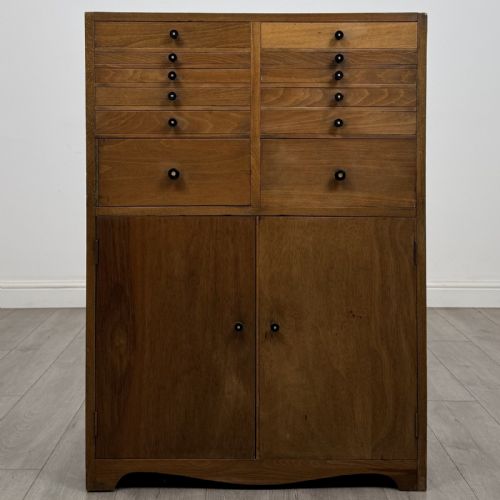
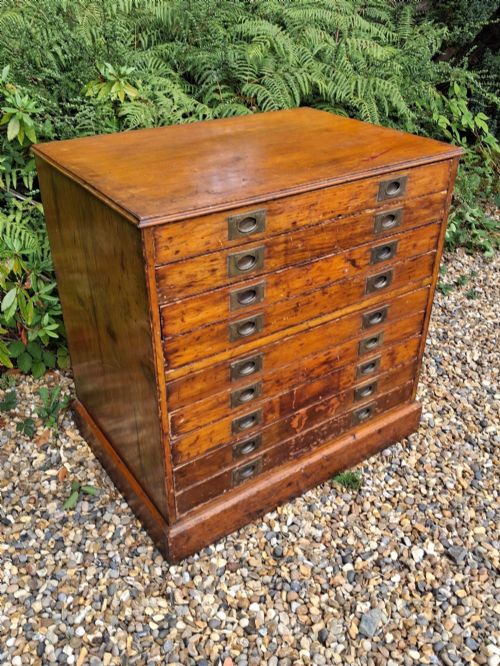
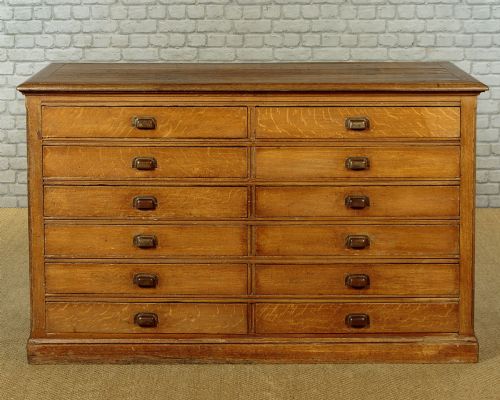

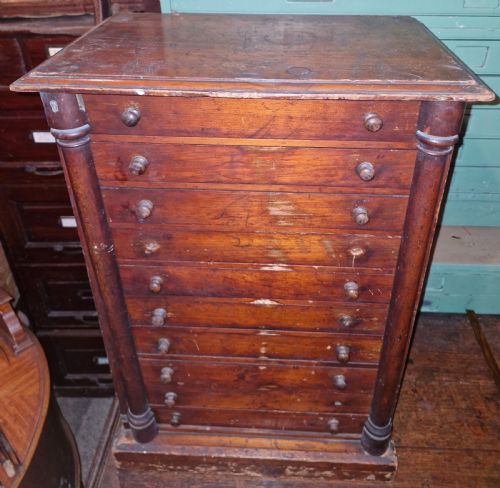

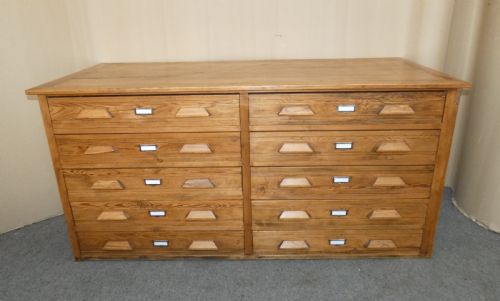


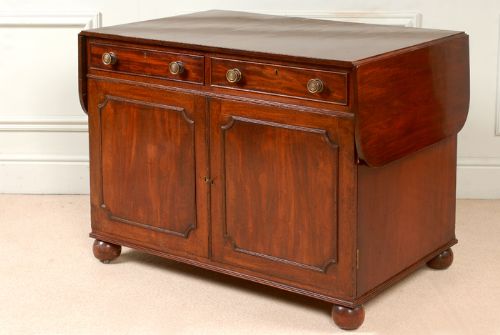


Map Chest of Drawers
A map chest of drawers is a capacious, multi-drawer storage unit designed for large sheets, which brings utilitarian grace into a room.
Map Chest of Drawers
A map chest of drawers is a substantial piece of storage furniture designed to hold large documents, plans, and charts flat within shallow tiers. When you search for a map chest of drawers, you encounter variations including plan chests, collectors cabinets, banks of drawers, and folio cabinets.
The pieces on this page span the 18th century, 19th century, Victorian era, Edwardian period, and mid-20th century, encompassing styles such as George III, Arts and Crafts, and industrial utility. Pine, mahogany, oak, and walnut form the predominant bodies of these large storage items.
Most examples function effectively in modern domestic settings as broad sideboards, artist storage units, or organising cabinets. Buyers find formats ranging from tall banks of twelve to forty drawers down to deep specimen and folio chests.
Materials and construction
Makers utilised solid timbers such as oak, mahogany, pine, and pitch pine to build carcases capable of supporting numerous heavy drawers. Boxwood inlay appears on select refined surfaces, while brass handles and pulls furnish the drawer fronts.
Joinery techniques reflect the functional purpose of these units, employing sturdy dovetails for drawer construction and panelled backs for rigidity. Painted pine and polished fruitwood or red walnut complete the exterior finishes across the periods.
Map Chest of Drawers Retail Price Guide 2026
Typical asking prices for map chest of drawers among the pieces listed under this phrase on Sellingantiques today, from the lower quarter to the upper quarter. They describe what is for sale here now, not the wider market.
Some multi-drawer cabinets possess forty tiny pulls, ensuring you will lose your keys in drawer thirty-nine.
Markers of distinction
The density and selection of timber dictate the presence of the piece, with burr walnut and solid mahogany standing apart from utility pine. Number of drawers and overall scale also shift a piece from domestic utility to grand institutional storage.
Attribution to documented makers such as Brady or Standish elevates the standing of a collectors cabinet. Refined details like boxwood inlay and matching brass hardware further separate standard utilitarian chests from finer cabinetwork.
Brady of Edmonton·Standish
The Map Chest of Drawers Glossary
- Plan chest
- A large, shallow-drawer cabinet designed specifically for architectural plans and maps. These pieces provide wide, flat surfaces to prevent large paper sheets from rolling or creasing.
- Collectors cabinet
- A multi-drawer unit intended for housing specimens, coins, or small objects. They often feature numerous small drawers housed within a polished hardwood carcase.
- Folio cabinet
- A tall cabinet built to store large portfolios, prints, or unbound books. George III examples in mahogany represent the formal end of this storage type.
- Bank of drawers
- A vertical stack of numerous small or medium drawers used in shops, offices, or workshops. These utilitarian pieces frequently display exposed oak or pine construction.
- Specimen chest
- A compact cabinet with tight-fitting drawers designed to protect natural history specimens. Satinwood and mahogany are typical materials for these refined storage items.
Map Chest of Drawers: Frequently Asked Questions
What fits inside a map chest?
The shallow drawers accommodate large flat items like blueprints, maps, art prints, and textiles without folding them.
Deep banks of drawers also serve well for storing collections, documents, or everyday household items.
How do I place one at home?
These large cabinets require significant floor space and deep clearance to pull out wide drawers fully.
Positioning them against a sturdy wall in a study or studio allows the wide top surface to double as a display table.
Are these chests heavy?
Solid hardwood construction in mahogany, oak, or walnut makes these multi-drawer units exceptionally heavy.
Many examples separate into modular sections or require multiple people to transport and position safely.
How do I date these cabinets?
Secondary woods, handle hardware, and construction dovetails help distinguish 18th-century George III pieces from Victorian or Edwardian utility models.
Maker stamps and labels occasionally appear on the interior drawer sides or carcase backs to confirm origin.