




Mantelpiece Bronze Statues
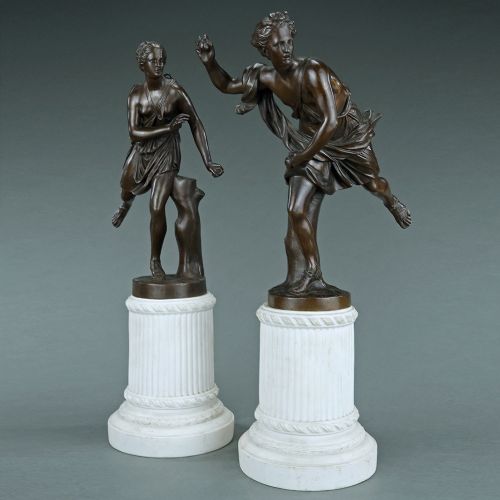
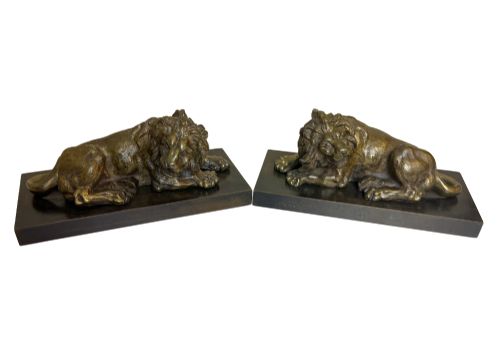
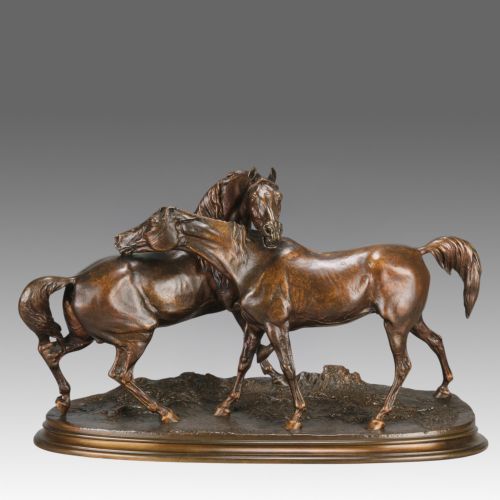
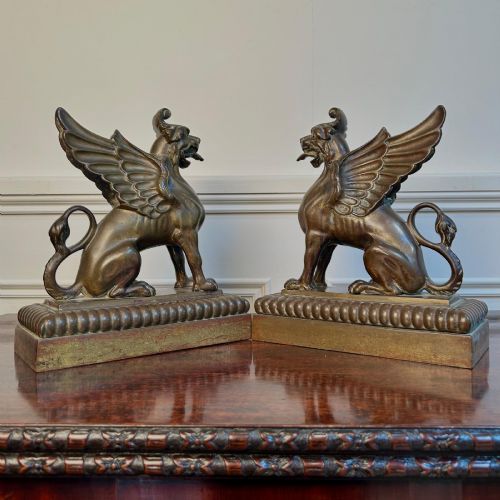
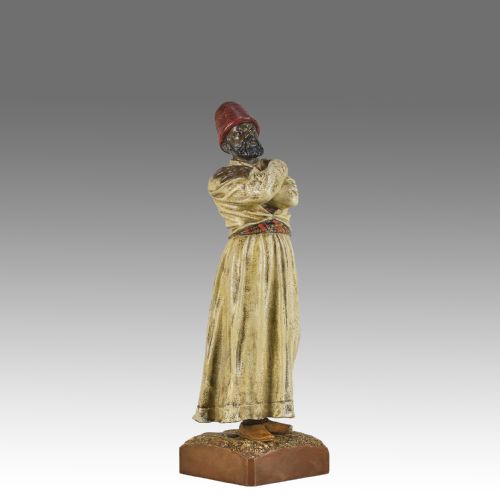
Mantelpiece bronze statues bring sculptural presence to a room, offering classical figures and animalier studies cast in metal and mounted on stone bases.
Mantelpiece Bronze Statues
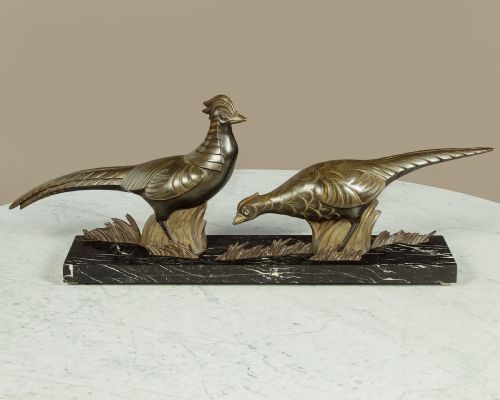
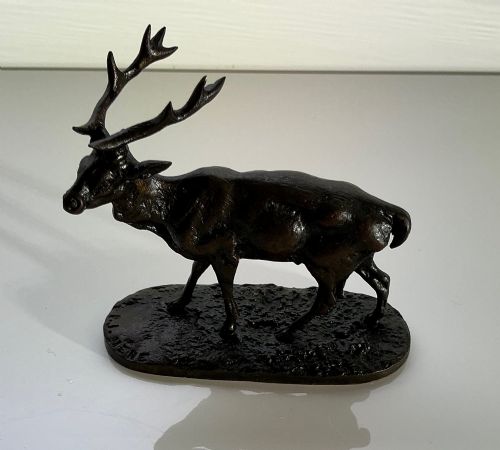
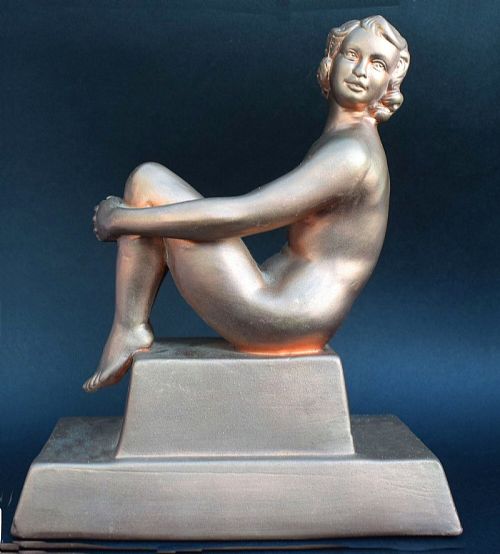
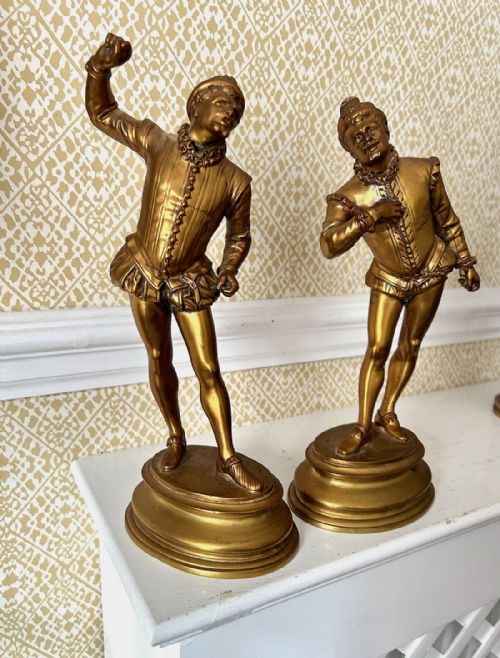
When you search for mantelpiece bronze statues, you encounter sculptural works designed to sit atop fireplaces, ledges and sideboards. These pieces span the nineteenth century and the art deco period, taking the form of human figures, animal groups, and mythological subjects.
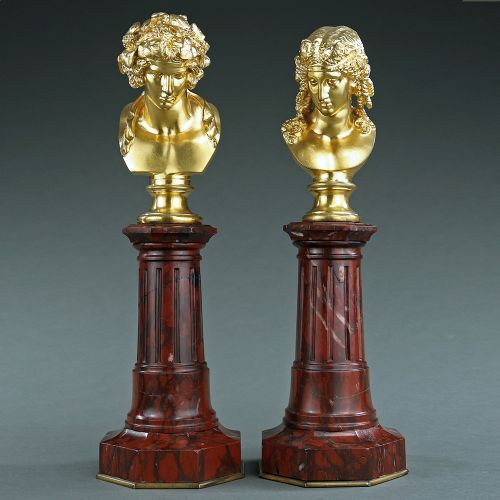
The most common examples on this page are French animalier bronzes, classical busts, and art deco figural groups. They frequently incorporate integrated bases of marble, onyx or slate to elevate the metalwork.
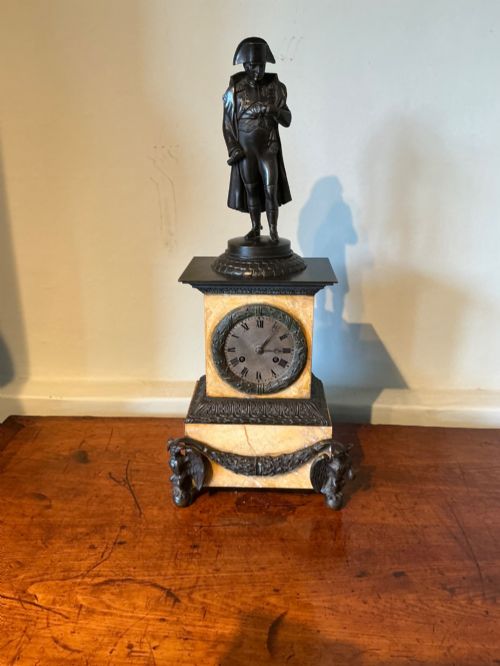
Many of these objects originate from nineteenth century France and Britain, alongside Italian grand tour souvenirs and twentieth century art deco foundries. They function simultaneously as decorative art and as mantel clocks or garniture components.
Materials and Casting Techniques
Foundries utilised traditional lost-wax or sand-casting methods to produce these metal sculptures. The resulting bronze, patinated metal, or spelter figures were then hand-finished and mounted on heavy stone plinths.
Makers applied chemical patination or cold-painted finishes to colour the metal surfaces. Gilt bronze elements appear alongside contrasting sienna and black marble bases.
Listings feature works from the 1860s, 1880s, and 1920s art deco movement, utilising bronze, spelter, marble, and onyx.
Evaluating Craftsmanship and Finish
The precision of the chisel work and the depth of the chasing separate standard castings from superior pieces. Finer sculptures retain crisp detail in facial expressions, drapery, and fur without soft edges from worn moulds.
The quality of the material foundation matters significantly, as dense marbles and rich patinas enhance the overall visual weight. Weaker examples rely on lighter spelter with painted surfaces that show chipping and wear over time.
Barbedienne·P J Mêne·Franz Bergman·Sibylle May·Edouard Drouot·Charles Cumberworth
The Mantelpiece Bronze Statues Glossary
- Animalier
- A nineteenth century artistic movement focused on the realistic depiction of animals, particularly horses, lions, and stags. Practitioners often captured subjects in motion or during aggressive encounters.
- Spelter
- A zinc alloy frequently utilised as a less expensive alternative to bronze during the nineteenth and twentieth centuries. It is typically given a bronze-like or painted finish.
- Grand Tour
- A traditional trip through Europe undertaken by upper-class young men to study classical art and architecture. Travellers acquired small bronzes and marble obelisks as souvenirs.
- Patina
- The surface coloration and sheen developed on bronze through age or chemical treatment. A well-preserved patina adds depth and protects the metal beneath.
- Gilt Bronze
- Bronze that has been coated with a thin layer of gold or gold leaf to produce a bright, reflective surface. It appears frequently in neoclassical and empire mantel ornaments.
Mantelpiece Bronze Statues: Frequently Asked Questions
What is an animalier bronze?
An animalier bronze is a nineteenth century sculpture focusing on wildlife and domestic animals, captured with anatomical accuracy. These pieces frequently depict predators and prey in dynamic poses.
Such works became popular across Europe as mantelpiece decorations and cabinet sculptures during the Victorian era.
How do I distinguish bronze from spelter?
Bronze is a heavy copper and tin alloy that feels cool to the touch and rings with a clear tone. Spelter is a softer zinc alloy that feels lighter and shows a duller sound when tapped.
Underneath surface patination, spelter often reveals a greyish-white metal where the finish has rubbed thin.
What periods do these sculptures date from?
The pieces listed here date primarily from the nineteenth century through to the art deco era of the 1930s. They encompass Victorian gothic revivals, neoclassical grand tour items, and early twentieth century modernist figures.
Earlier eighteenth century examples also appear occasionally, showing heavier classical styling.
How were these figures mounted?
Many mantel sculptures are secured to heavy bases of marble, onyx, slate, or wood to provide stability. These stone plinths often match the materials used in contemporary mantel clocks and garniture sets.
Some figures are directly integrated into clock cases or flanking candelabra.