

Mahogany Work Table Drawers
Mahogany work table drawers combine compact utility with fine timber, offering practical storage alongside elegant period design.
Mahogany Work Table Drawers
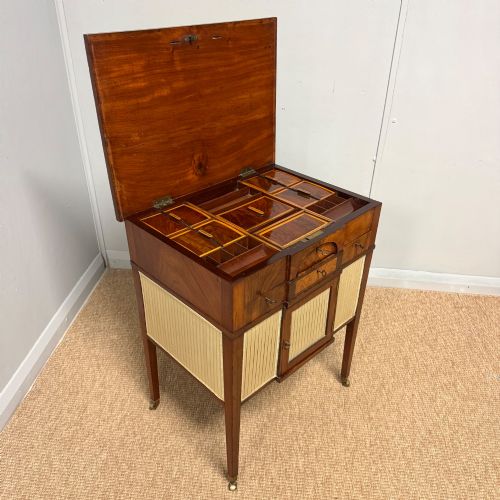
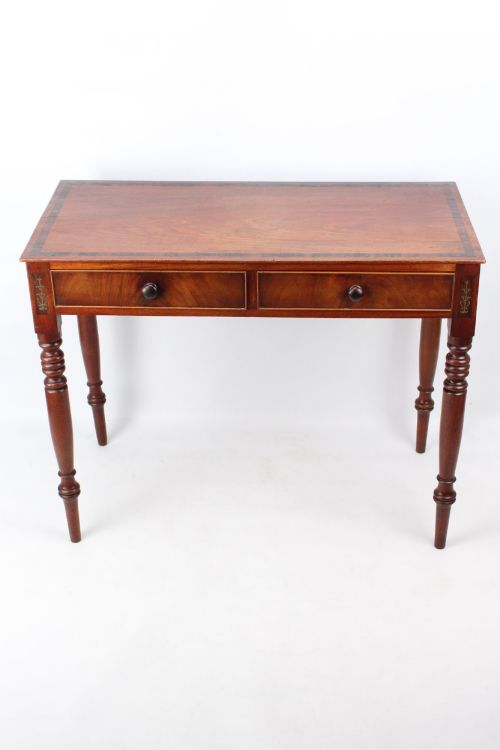
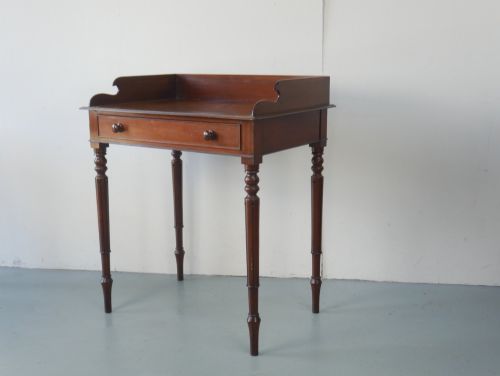
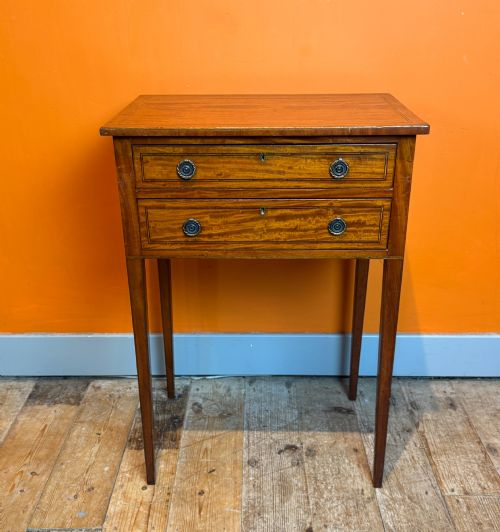
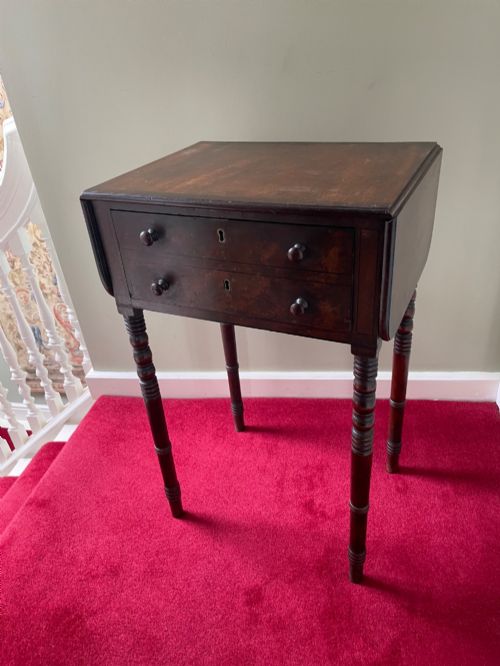
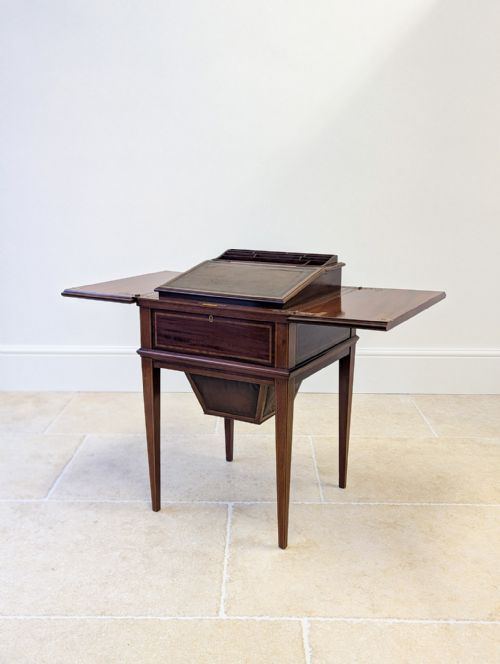
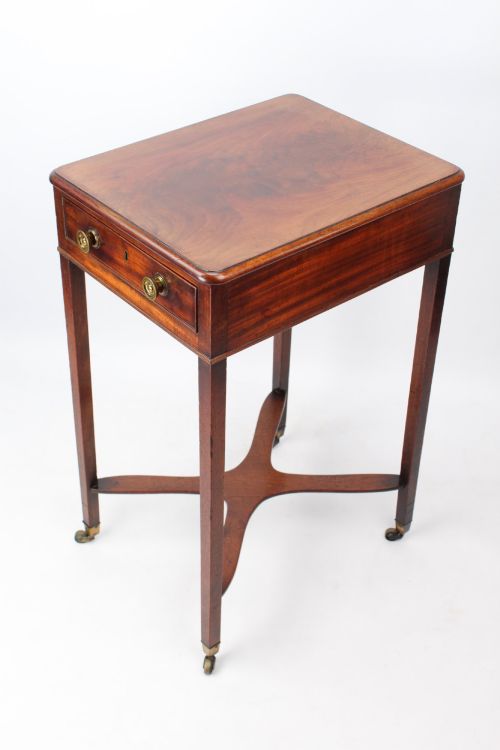
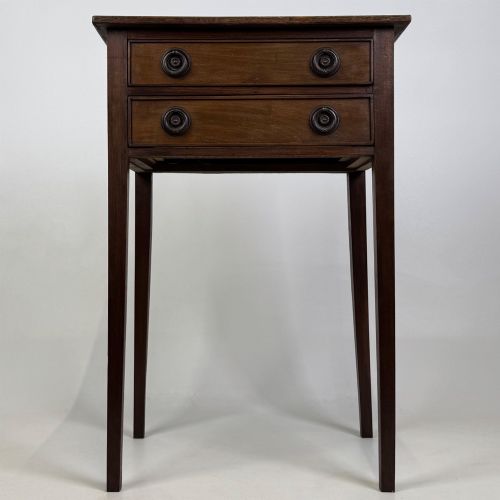
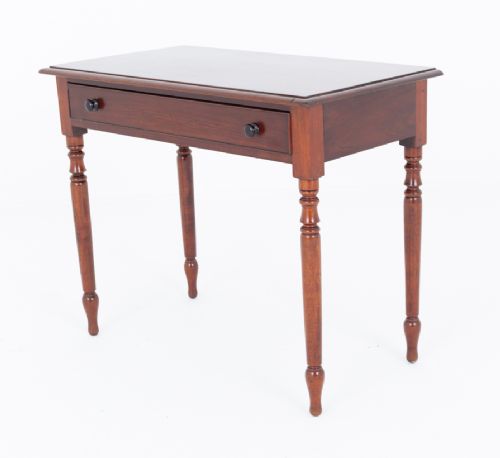
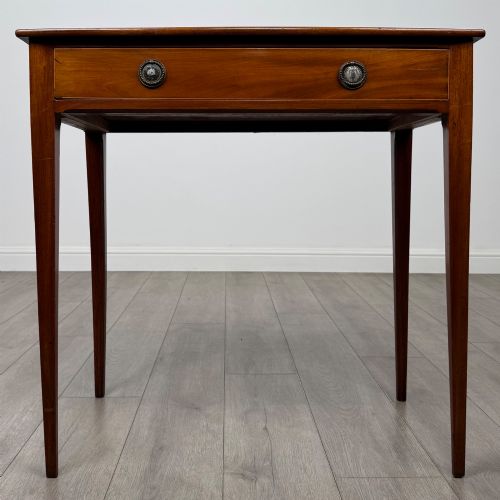
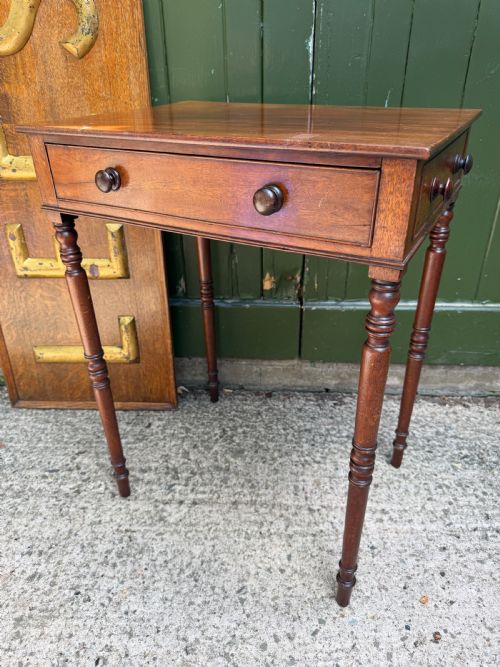
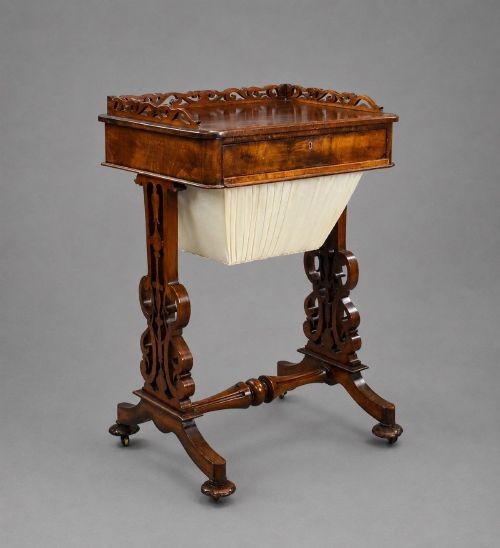
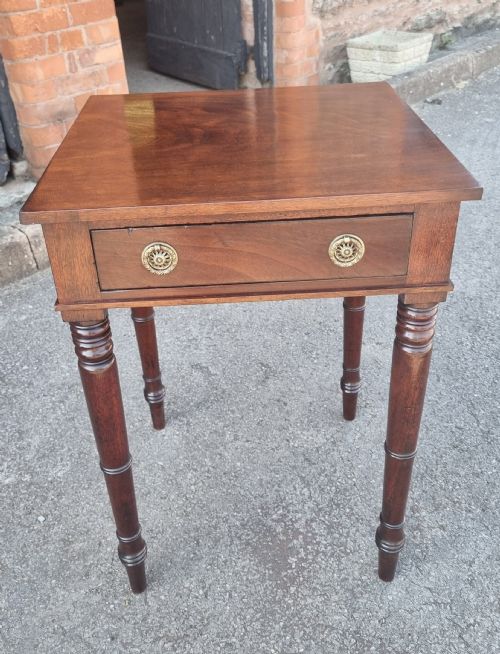
When you search for mahogany work table drawers, you examine pieces designed for domestic tasks such as sewing, writing and needlework. These tables frequently incorporate fitted drawers and fabric or wool boxes beneath the main surface, bridging the gap between a side table and a desk. Most examples you meet on this page hail from the Georgian, Regency and Victorian eras, though Edwardian variations also appear.
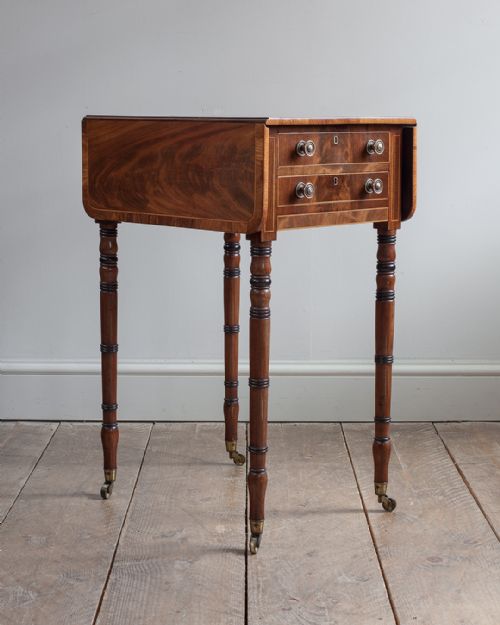
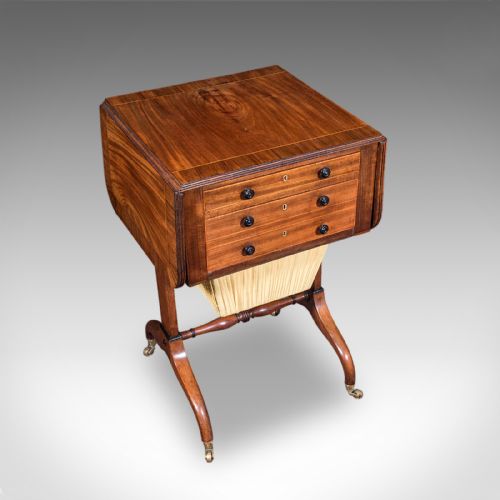
The forms span side tables, Pembroke tables and occasional pieces alongside dedicated sewing and work tables. Many feature drop leaves or pedestal bases with single or double drawers configured to hold small implements. Their origins sit primarily within English cabinet-making traditions of the eighteenth and nineteenth centuries, constructed to serve domestic rooms with economy of space.
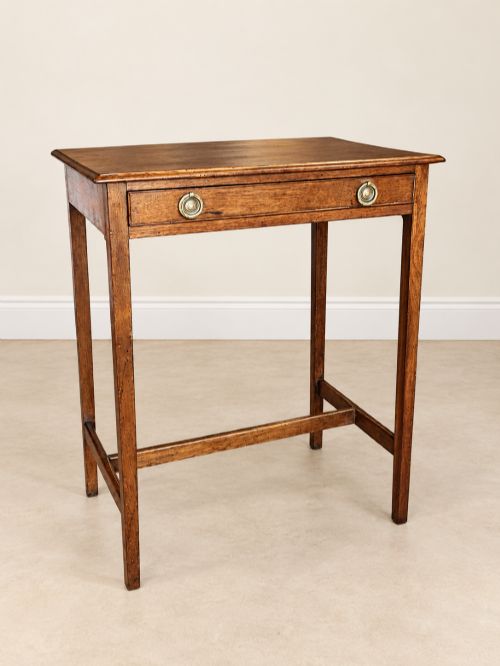
A buyer seeking one of these items usually wants a functional piece of antique furniture that brings rich timber grain and period proportion into a room. The presence of drawers or a sewing basket defines the subtype, separating them from plain occasional tables. You encounter them most often in smaller domestic proportions, suited for use beside a chair or sofa.
What varies in quality
The quality of a mahogany work table rests largely upon the selection and figure of the timber used across the top and drawer fronts. Superior examples display carefully matched grain patterns and fine inlay work, whereas simpler pieces rely on plain mahogany planks. The crispness of the joinery and the retention of original brass hardware also signal a higher grade of manufacture.
Proportion and design ambition separate standard utility tables from exceptional ones. Pieces featuring lyre ends, intricate drop-leaf mechanisms or well-fitted internal compartments demonstrate superior craftsmanship from the workshop. The survival of original sewing bags, wool boxes and fitted interior trays adds significant character to the piece.
Mahogany Work Table Drawers Retail Price Guide 2026
Typical asking prices for mahogany work table drawers among the pieces listed under this phrase on Sellingantiques today, from the lower quarter to the upper quarter. They describe what is for sale here now, not the wider market.
Several Victorian work tables retain their original swinging wool boxes, ready to catch dropped yarn after a century or two of quiet repose.
The Mahogany Work Table Drawers Glossary
- Pembroke table
- A small occasional table with hinged drop leaves on two opposing sides. These leaves allow the surface area to expand when needed for writing or sewing.
- Work table
- A small freestanding table equipped with drawers and often an attached fabric bag or wool box for needlework. They served as versatile companions in nineteenth-century sitting rooms.
- Boxwood
- A dense, pale yellow wood utilised for stringing and decorative inlay on furniture. It provides sharp contrast against dark mahogany surfaces.
- Baize
- A coarse woollen material resembling felt, frequently used to line the writing surfaces and card tables of the period. It protected both the wood and the items placed upon it.
- Secretaire
- A piece of furniture containing a drawer or compartment that pulls out to form a writing desk. It often conceals smaller pigeonholes and stationery drawers inside.
Mahogany Work Table Drawers: Frequently Asked Questions
What were mahogany work table drawers used for?
These tables served domestic purposes such as needlework, sewing and informal correspondence in private rooms. The drawers held threads, needles and papers while the integrated boxes stored textiles.
They provided a portable surface that could be moved near a light source or fireside seat as needed throughout the day.
How do I distinguish a work table from a side table?
A work table typically includes internal fittings, a deeper drawer or an underslung fabric wool bag for sewing supplies. Side tables are simpler and lack these specialised textile storage compartments.
Many work tables also incorporate drop leaves to save space when not in active use.
Can I use an antique work table as a desk?
Certain variations incorporating drop leaves or pull-out writing surfaces function well for light correspondence and laptop use. However, the kneehole clearance and drawer depth are usually smaller than standard desks.
Checking the interior height and width ensures the table accommodates comfortable seating.
How do I care for mahogany and leather surfaces?
Mahogany benefits from occasional waxing with traditional beeswax to maintain its deep lustre and prevent the timber from drying out. Avoid placing the table in direct sunlight or near heat sources.
Leather and baize surfaces require dry dusting and protection from moisture, spills and sharp objects.