

Mahogany Wood Tray
A mahogany wood tray brings practical utility and rich grain to a room, offering a durable surface suited for serving or display.
Mahogany Wood Tray
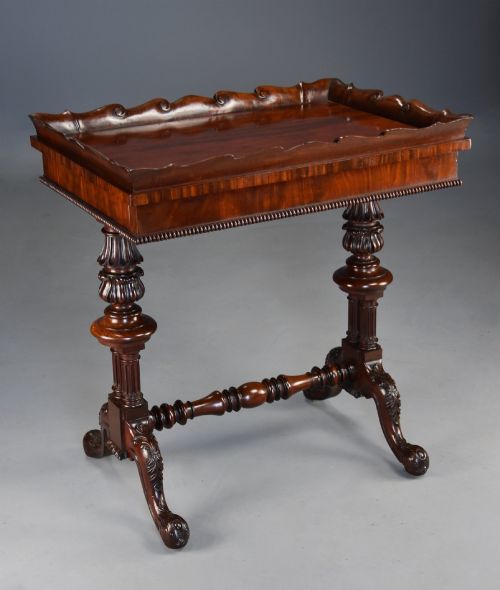
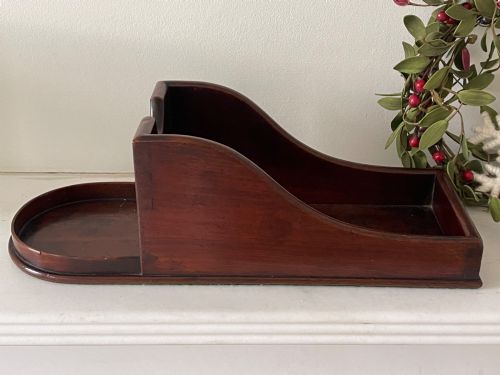
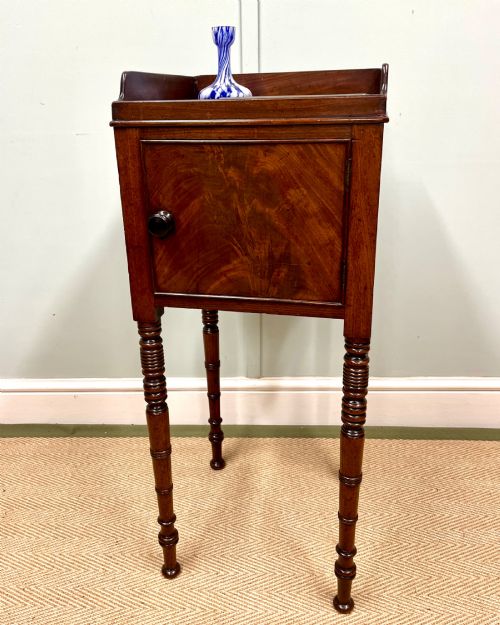
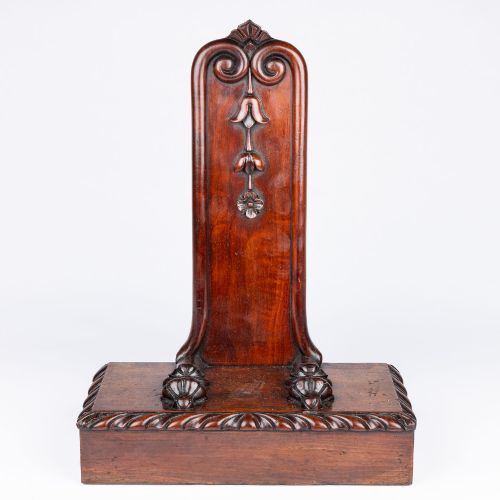
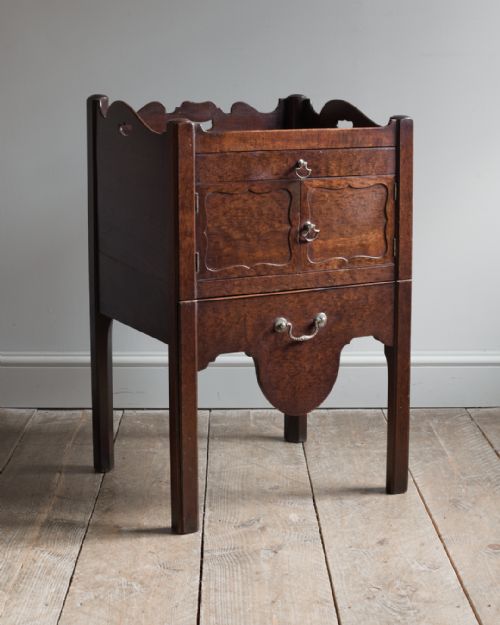
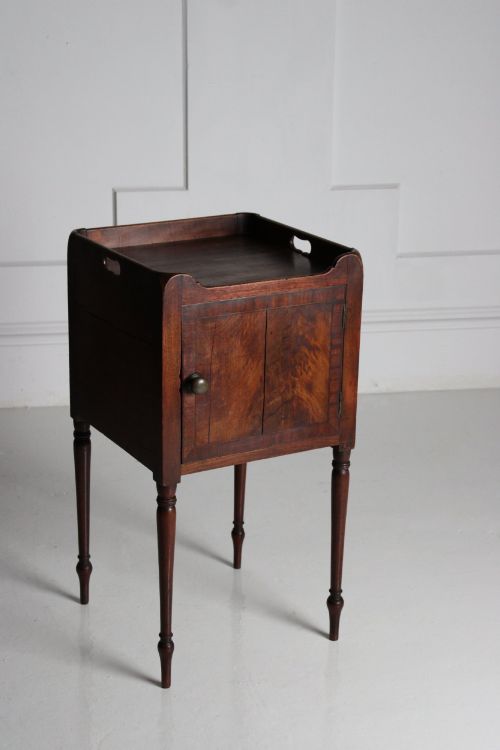
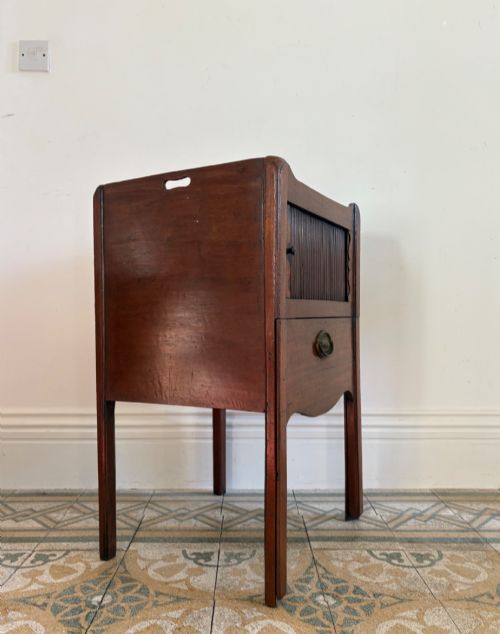
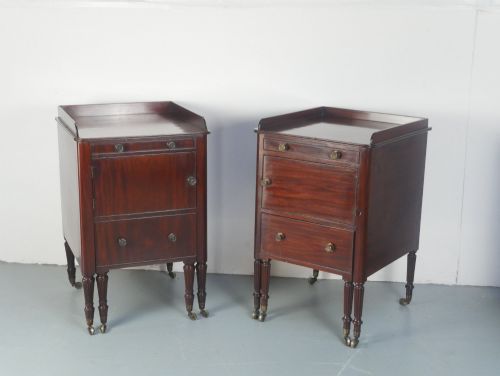
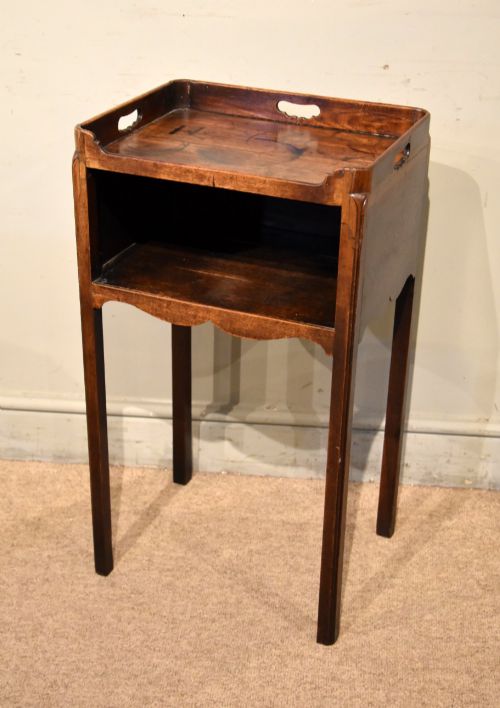
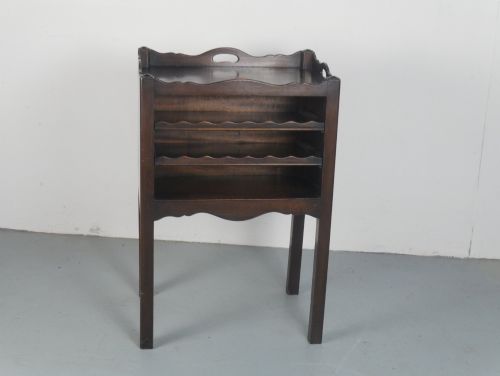
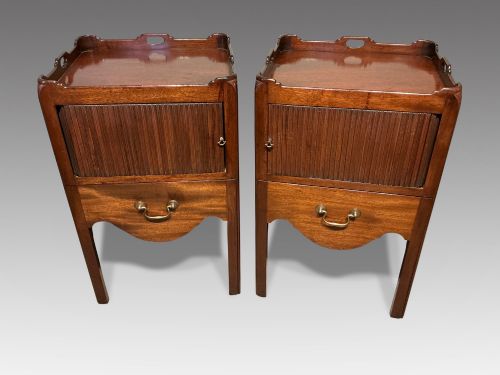
A mahogany wood tray serves multiple domestic purposes, appearing both as standalone serving pieces and fitted to specialised stands like butler's tables and bedside commodes. The pieces span periods from the eighteenth century through the Georgian, Regency, Victorian, and Edwardian eras, alongside later interpretations from the early twentieth century.
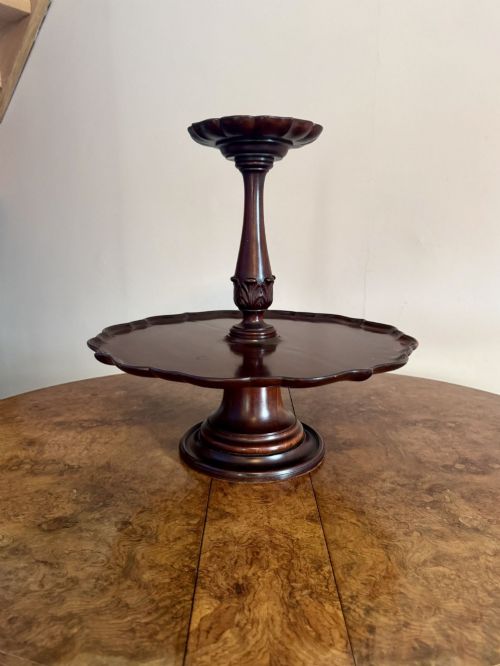
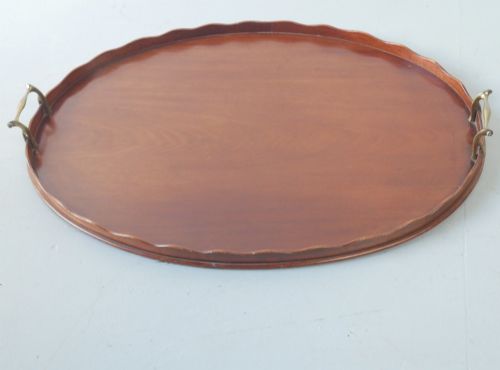
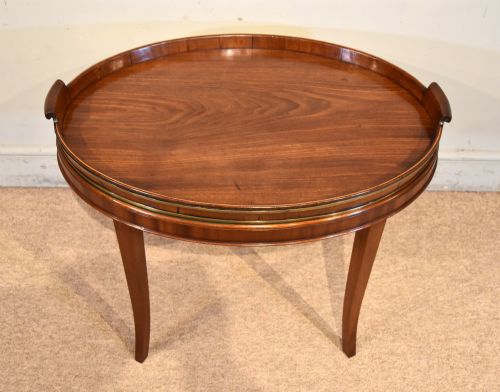
Buyers will encounter various forms on this page, including traditional serving trays, tray-top tables, silver tables, and occasional furniture featuring raised edges or removable carrying surfaces. Many examples incorporate intricate details such as handles, brass galleries, or coopered construction designed for daily use.
The material palette is anchored by solid mahogany and flame mahogany veneer, often enhanced with contrasting inlays of boxwood, ebony, and satinwood. These pieces reflect historical British cabinet-making traditions, ranging from utilitarian bedside cabinets to decorative serving accessories.
How they were made
Cabinet-makers relied heavily on solid mahogany and flame mahogany veneers, prized for rich figuring and durability, often applying them to structural carcases or framing them within raised gallery edges. The construction frequently incorporated fine joinery methods to ensure stability across serving surfaces and table tops.
Decorative embellishment involved precise wood inlay and marquetry, utilising contrasting timbers such as boxwood, ebony, and satinwood to create geometric or floral patterns. Metal elements, particularly brass handles and coopered bands, were integrated to reinforce joints and provide functional grips.
Mahogany Wood Tray Retail Price Guide 2026
Typical asking prices for mahogany wood tray among the pieces listed under this phrase on Sellingantiques today, from the lower quarter to the upper quarter. They describe what is for sale here now, not the wider market.
Materials appearing across these items include solid mahogany, flame veneer, brass hardware, and contrasting inlays of boxwood, ebony, and satinwood.
What varies in quality
The standard of a mahogany wood tray is defined by the selection of timber, particularly the choice of dense, deeply figured solid mahogany or well-matched flame veneer. Superior examples display crisp precision in their inlaid patterns and tight, enduring joinery around the gallery edges and handles.
Design sophistication further separates standard items from finer works, evidenced by integrated brass hardware, coopered construction, or refined proportions on tray-top stands. Pieces retaining original patination and uncompromised structural integrity represent the upper tier of craftsmanship.
The Mahogany Wood Tray Glossary
- Tray top
- A raised rim surrounding the edge of a table or cabinet surface designed to prevent items from sliding off. This feature is common on bedside commodes and silver tables.
- Marquetry
- Decorative patterns formed by fitting together small pieces of wood veneer of various colours and types. It is frequently seen on Edwardian and Georgian serving pieces.
- Coopered
- Constructed from vertical staves of wood bound together by metal or wooden bands, similar to barrel-making. This technique is often used for oval serving trays.
- Butler's tray
- A removable rectangular tray featuring hinged sides or handles, traditionally paired with a folding wooden stand. It allowed for convenient transport of dining items.
- Flame mahogany
- A veneer cut from the branch junction of the tree, displaying a distinctive feather-like flame pattern. Cabinet-makers used this to create highly decorative surfaces.
Mahogany Wood Tray: Frequently Asked Questions
How do I use a mahogany wood tray today?
These trays function well for serving drinks or organising items on a coffee table or sideboard. Removable versions on stands also serve as flexible side tables in living spaces.
Their sturdy construction allows for daily use while adding period character to contemporary interiors. Placing protective mats underneath hot items preserves the historic polish and timber surface.
What is the difference between a tray and a tray top table?
A tray is a portable object equipped with handles or raised edges designed for carrying items from room to room. A tray top table integrates this raised rim directly into a fixed or detachable furniture frame.
Both forms utilise similar mahogany timbers and inlay techniques, but tables provide permanent display space. Some Edwardian examples offer dual functionality with removable trays resting on folding stands.
How do I care for antique mahogany wood?
Maintain the finish by dusting regularly with a soft, dry cloth and avoiding modern silicone sprays. Occasional application of quality beeswax feeds the historic timber and enhances the grain.
Keep pieces away from direct sunlight and extreme temperature fluctuations to prevent the veneer from drying or cracking. Immediate blotting of liquid spills protects both solid wood and inlaid details.
How can I tell the Georgian period from the Edwardian revival?
Georgian pieces, dating from the eighteenth and early nineteenth centuries, typically feature heavier proportions and understated mahogany grain with minimal inlay. Edwardian items from the early twentieth century often showcase lighter satinwood banding and more ornate marquetry.
Examination of the secondary woods used on the undersides or interior framing provides further clues to age. Construction methods and tool marks also help distinguish original eighteenth-century work from later revival styles.