

Mahogany Wood Stand
A mahogany wood stand brings dependable timber and traditional joinery to a room, offering a practical surface or support.
Mahogany Wood Stand
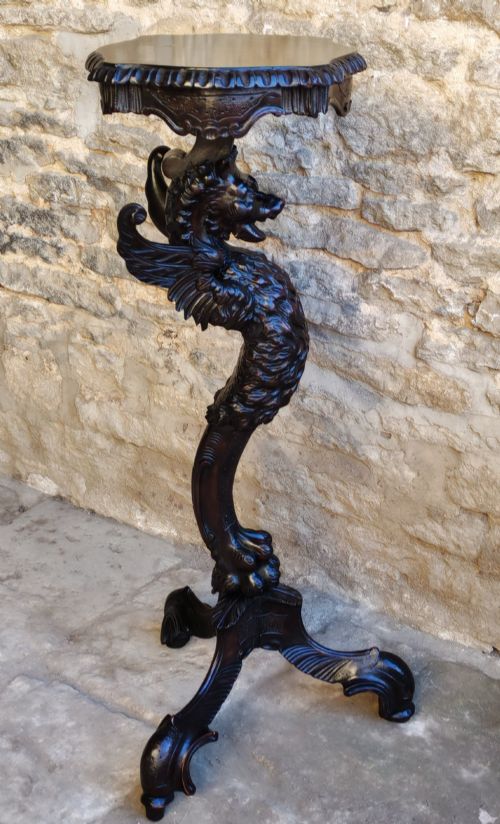
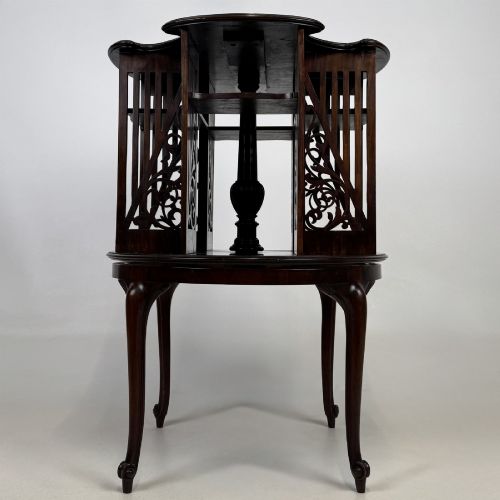
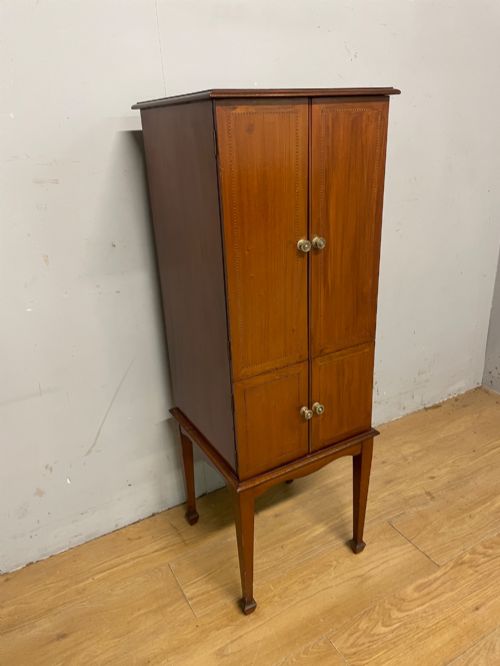
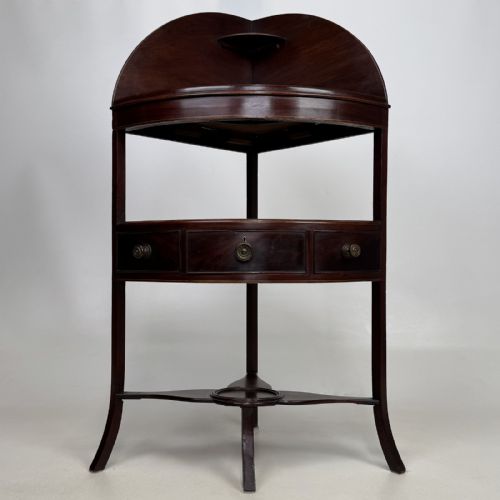
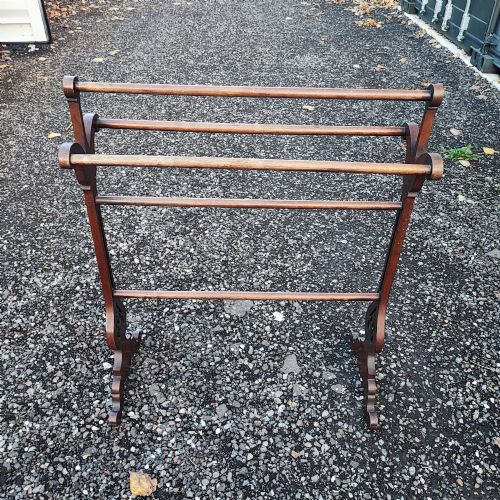
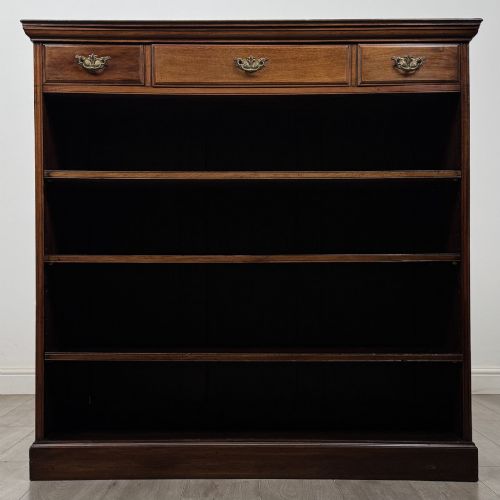
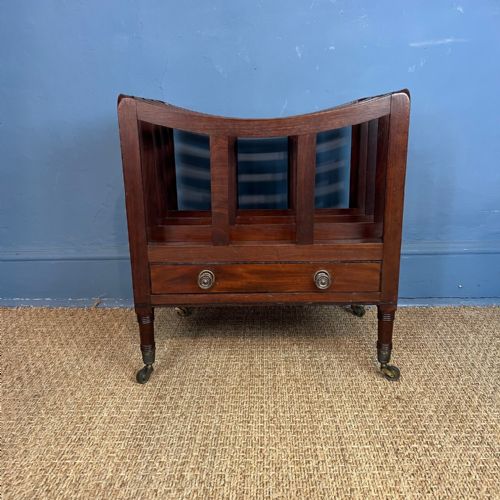
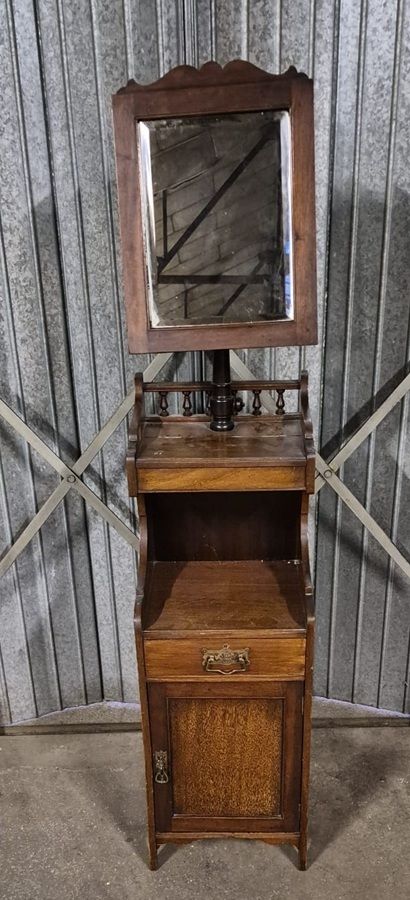
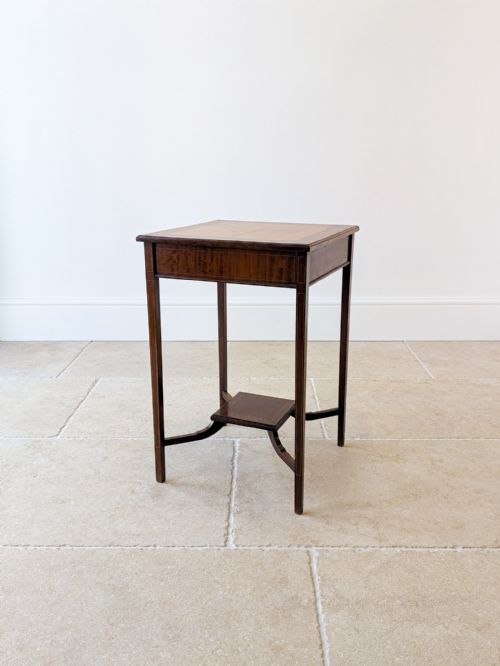
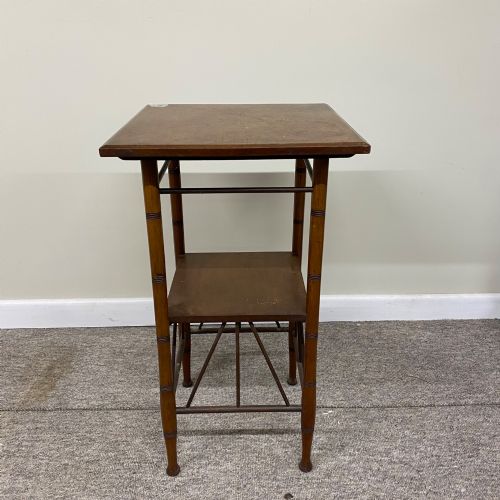
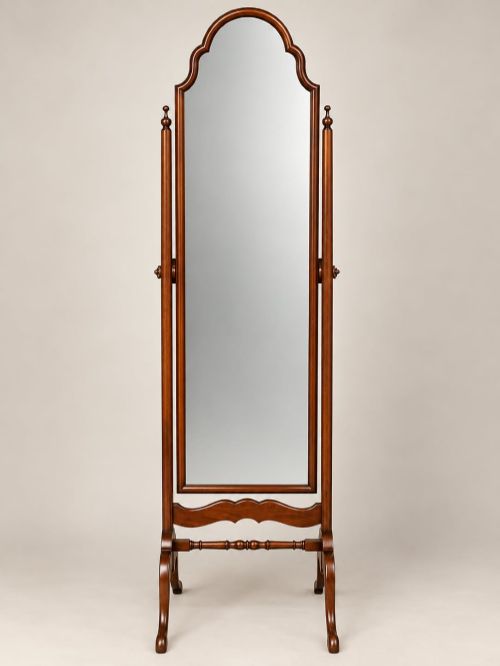
A mahogany wood stand encompasses various forms intended to elevate or support objects within a room, ranging from plant holders and kettle stands to nightstands and music cabinets. When searching for a mahogany wood stand, buyers encounter pieces spanning the Georgian, Victorian, and Edwardian periods.
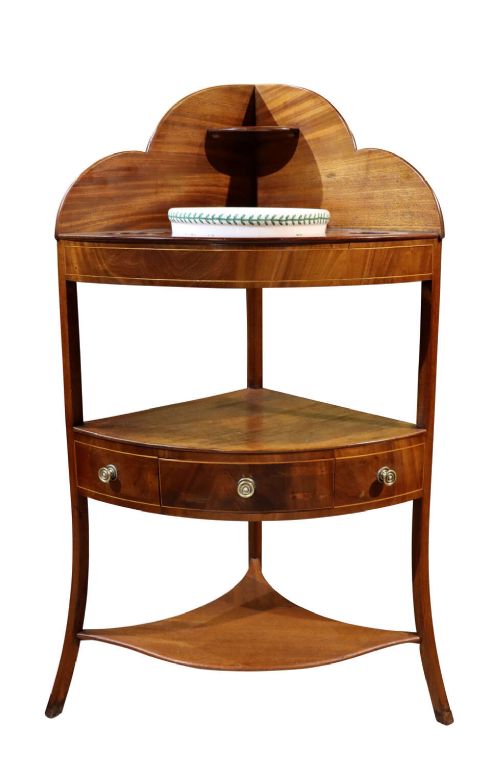
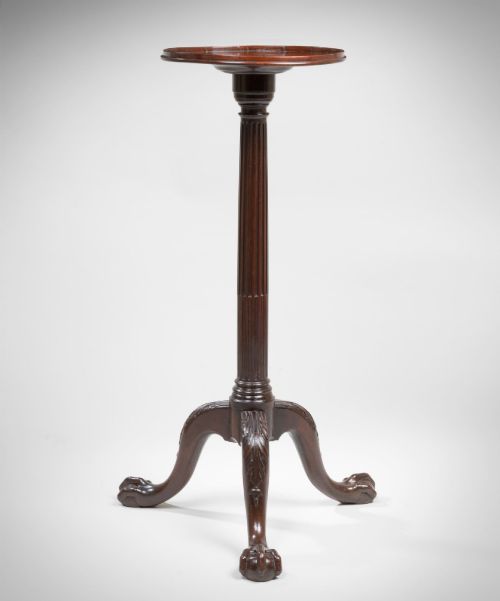
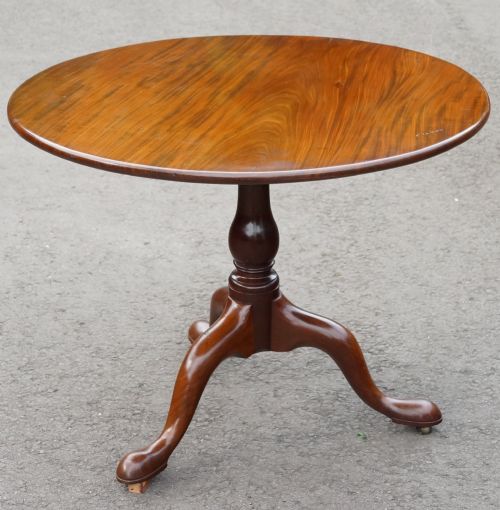
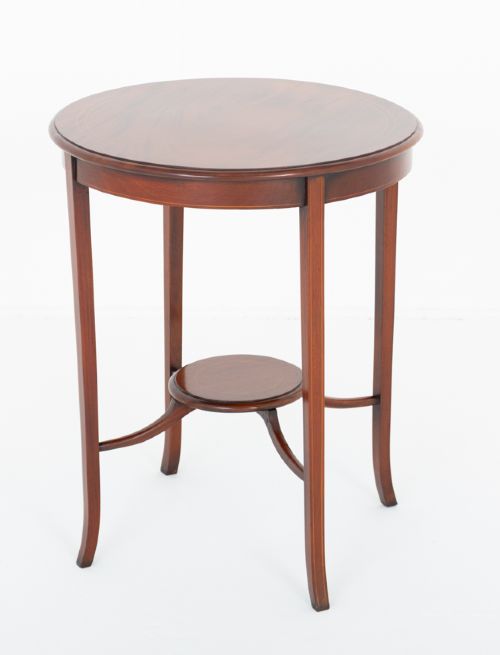
The most common examples on this page are occasional and lamp tables featuring tripod bases, alongside specialised items like corner washstands and display stands. These pieces reflect diverse stylistic developments from the eighteenth century through to the early twentieth century.
Makers utilised the dense grain of mahogany to construct sturdy furniture designed for specific domestic duties. Whether supporting a lamp or holding a kettle, each item balances utility with the aesthetic tastes of its respective era.
Materials and construction
Makers relied primarily on solid mahogany and mahogany veneers, sometimes incorporating Cuban mahogany for its rich grain and weight. Brass fixtures, glass panels, and delicate satinwood inlay frequently appear as secondary materials to enhance the visual appeal of the stand.
Traditional joinery techniques governed the assembly, utilising turned columns, cabriole legs, and tripod bases to ensure stability. Details such as fretwork galleries and carved feet demonstrate the high level of craftsmanship applied by period cabinet makers.
Mahogany Wood Stand Retail Price Guide 2026
Typical asking prices for mahogany wood stand among the pieces listed under this phrase on Sellingantiques today, from the lower quarter to the upper quarter. They describe what is for sale here now, not the wider market.
Listings feature mahogany stands spanning the eighteenth, nineteenth, and early twentieth centuries, incorporating brass galleries and satinwood inlay.
Distinguishing quality in mahogany stands
The distinction between standard items and superior examples lies in the selection of the timber and the crispness of the carving or inlay. Finely figured mahogany grain and precise brass galleries indicate a higher standard of workshop production.
Proportion and structural integrity dictate the overall merit of a piece. Well-balanced tripod legs, tight joints without excessive modern intervention, and balanced decorative details separate ordinary utility furniture from exceptional examples.
Waring and Gillow
The Mahogany Wood Stand Glossary
- Tripod table
- A small circular or oval table supported by a central pillar and three legs. These tables often feature tilt-top mechanisms for convenient storage.
- Satinwood inlay
- A contrasting decorative wood inserted into the mahogany surface in geometric or floral patterns. This technique brightened the darker timber during the Edwardian and Georgian periods.
- Gallery
- A raised ornamental border surrounding the edge of a tabletop or shelf. It often consists of pierced brass or fretted wood to prevent items from sliding off.
- Cabriole leg
- A furniture leg that curves outward and then tapers inward with a pad or carved foot. This style draws inspiration from animal limbs and frequently appears on Edwardian examples.
- Étagère
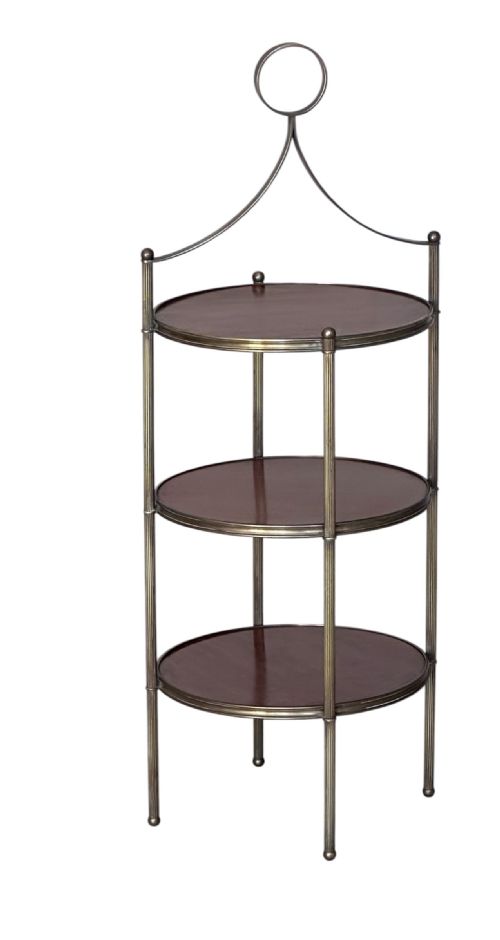
- An open piece of furniture with multiple tiers for displaying small objects. These tiered stands combine decorative elegance with practical surface area.
Mahogany Wood Stand: Frequently Asked Questions
What is a mahogany wood stand used for?
These versatile pieces serve various domestic functions, from holding lamps and plants to supporting kettles or displaying small decorative objects. Their compact footprints allow them to fit easily into corners or beside seating.
Historically, specific stands were designed for singular tasks, such as washing or holding sheet music. Today, they adapt readily to modern interiors as side tables or display surfaces.
How do I date a mahogany stand?
Dating relies on observing the changing styles of legs, feet, and decorative motifs across the eighteenth and nineteenth centuries. Georgian pieces often display restrained classical proportions, while Edwardian versions frequently incorporate lighter inlays and fretwork galleries.
Examining the construction methods underneath and inside the piece also provides clues. Hand-cut dovetails and the type of timber preparation point toward specific manufacturing eras.
Are these stands sturdy enough for daily use?
Most examples were built using durable hardwoods and traditional joinery designed to withstand everyday domestic demands. Tripod styles and four-legged lamp tables offer solid support for lamps, books, and plants.
Care should be taken with delicate inlaid surfaces or narrow antique legs. Placing them away from direct heat sources helps preserve the timber and joints over time.
How do I maintain a mahogany surface?
Regular dusting with a soft, dry cloth prevents the buildup of particles that might scratch the polish. Avoiding direct sunlight protects the rich reddish-brown tone of the timber from fading.
Occasional application of appropriate wax polish helps nourish the wood and maintain its natural lustre. Harsh chemical cleaners should be strictly avoided to preserve the historic finish.