


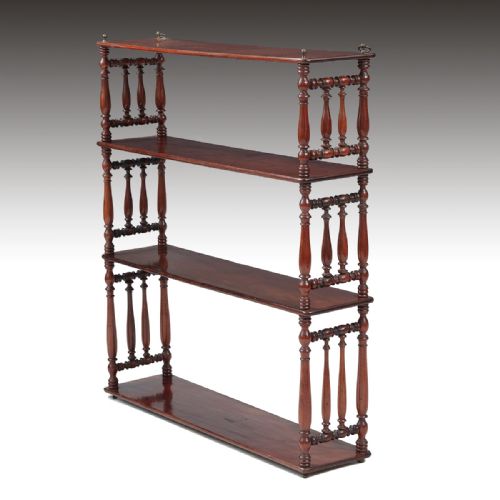

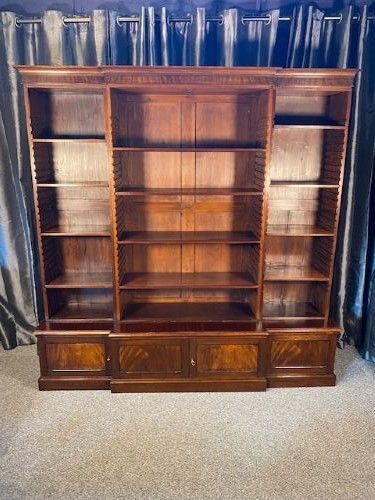
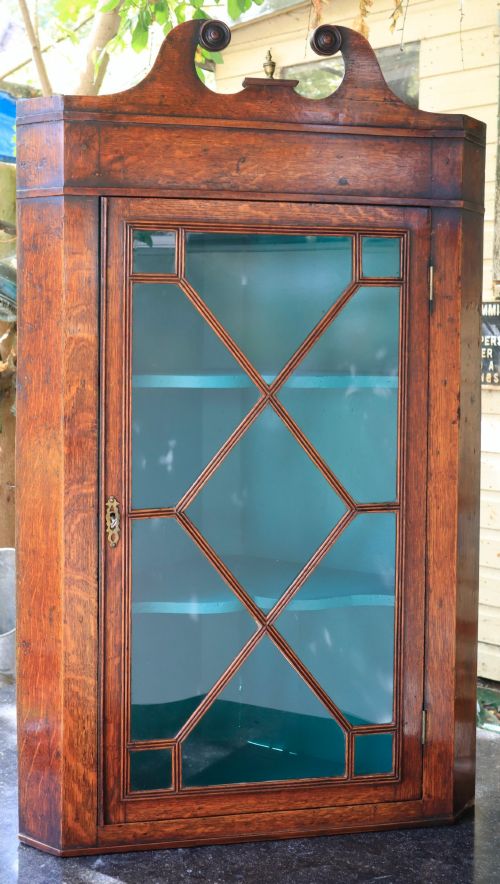
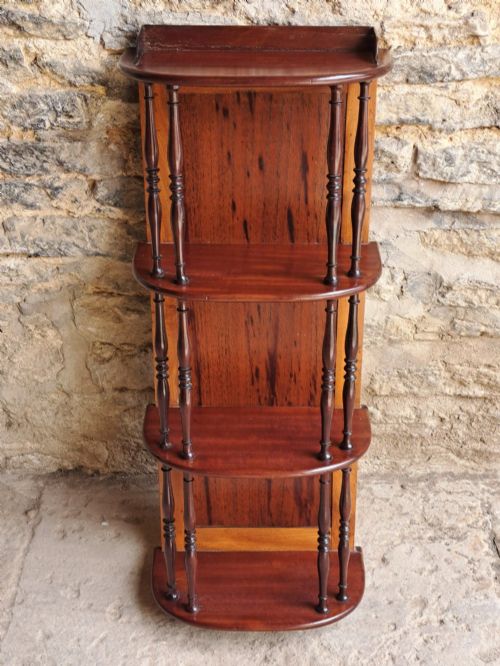


Mahogany Wall Display
Mahogany wall display pieces bring warmth and timber figure to domestic rooms, offering compact storage and showcasing prized objects.
Mahogany Wall Display
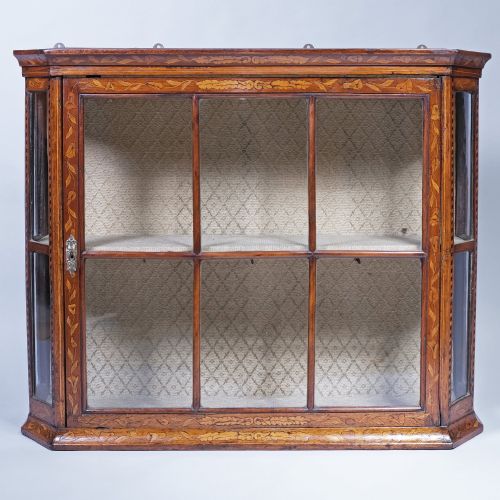
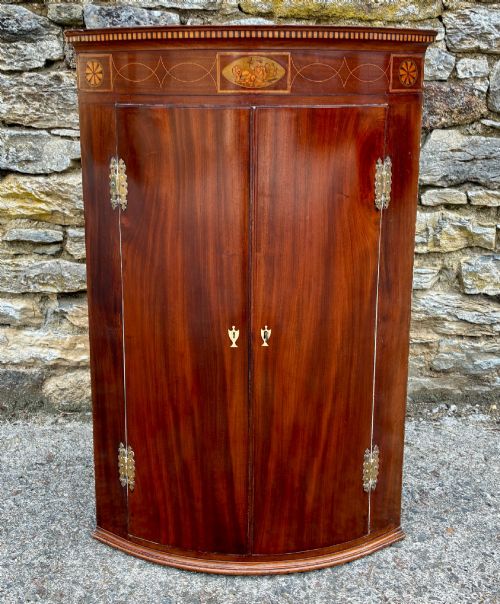
When searching for mahogany wall display, buyers encounter a diverse selection of wall-mounted storage and exhibition furniture. The listings on this page span several centuries, with particular emphasis on Georgian, Victorian, and Edwardian periods.
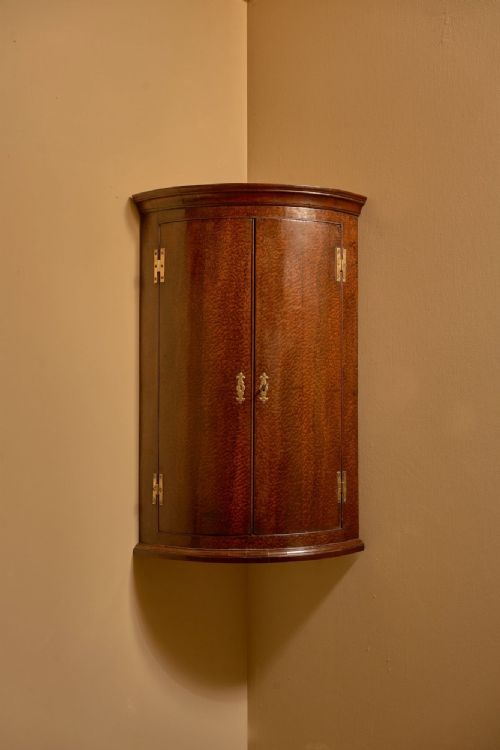
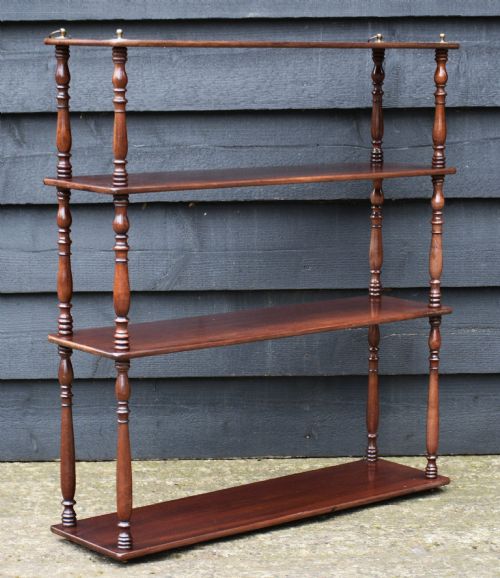
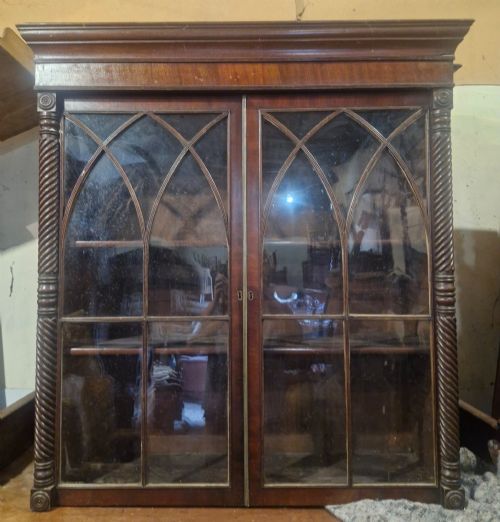
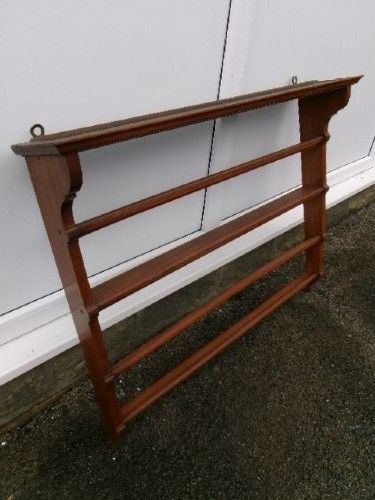
The objects take multiple forms, most commonly corner cabinets, hanging shelves, and glazed wall cabinets. These pieces range from simple open book shelves to sophisticated cupboards featuring locking doors and mirrored interiors.
Origins stretch from the eighteenth century through to the early twentieth century, including revival pieces. Corner units and hanging shelves dominate the selection, designed to utilise vertical wall space efficiently.
What varies in quality
Quality reveals itself in the selection of timber, particularly the grain and figure of the mahogany used for visible surfaces and veneers. Superior examples display refined proportions, such as balanced open tiers or well-executed cornices and pediments.
Joinery standards and the integration of decorative elements like crossbanding and inlay distinguish finer workshops from standard production pieces. Original brass fittings and functioning locks with keys add to the integrity of a piece.
Mahogany Wall Display Retail Price Guide 2026
Typical asking prices for mahogany wall display among the pieces listed under this phrase on Sellingantiques today, from the lower quarter to the upper quarter. They describe what is for sale here now, not the wider market.
Materials documented across the inventory include solid mahogany, flame mahogany veneer, satinwood, oak, brass, glass, and fabric.
The Mahogany Wall Display Glossary
- Bow front
- A convex curved cabinet front that projects outwards, frequently seen on Georgian corner cupboards.
- Crossbanding
- A strip of veneer applied perpendicularly to the grain of the main surface to create a decorative border, often in contrasting timber like satinwood.
- Broken arch pediment
- A decorative architectural gable structure above a cabinet door featuring an open centre space, sometimes housing a finial.
- Flame mahogany veneer
- A figured wood veneer cut from the branch junction of a mahogany tree, producing a distinctive flickering flame pattern.
- Escutcheon
- A protective brass plate surrounding a keyhole, serving both a functional and decorative purpose.
Mahogany Wall Display: Frequently Asked Questions
How do I hang a heavy mahogany wall cabinet?
Wall cabinets require secure anchoring into structural studs or masonry using appropriate fixings rated for the weight of hardwood and glass.
Professional installation ensures the piece remains stable and safe when loaded with books or ceramics.
What is the difference between a corner cabinet and a wall shelf?
Corner cabinets enclose contents behind panelled or glazed doors, whereas wall shelves provide open tiers for immediate display.
Cabinets offer dust protection and security with locks, while shelves suit items intended for frequent access.
How do I date an antique mahogany wall display?
Dating relies on architectural styling, construction methods, and timber characteristics observed across different centuries.
Georgian pieces display formal classical proportions, while Edwardian examples often incorporate lighter inlaid decoration and simpler lines.
Can I use a wall cabinet for storing glassware?
Glazed wall cabinets and mirrored display units suit glassware by providing visibility and protection from dust.
Ensure shelf depths and weight capacities accommodate your specific collection before loading.