

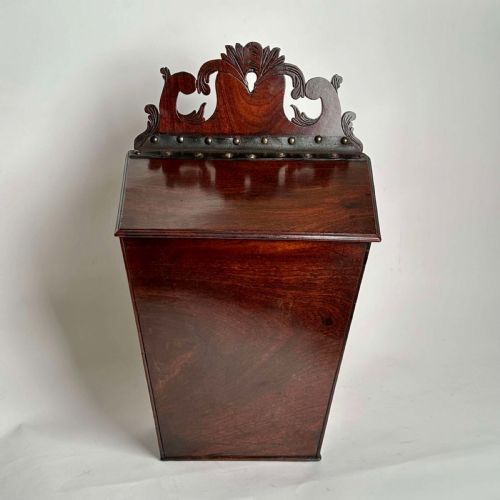


Mahogany Wall Box
A mahogany wall box is a hanging wooden receptacle for domestic storage, prized for its dense grain and period craftsmanship.
Mahogany Wall Box
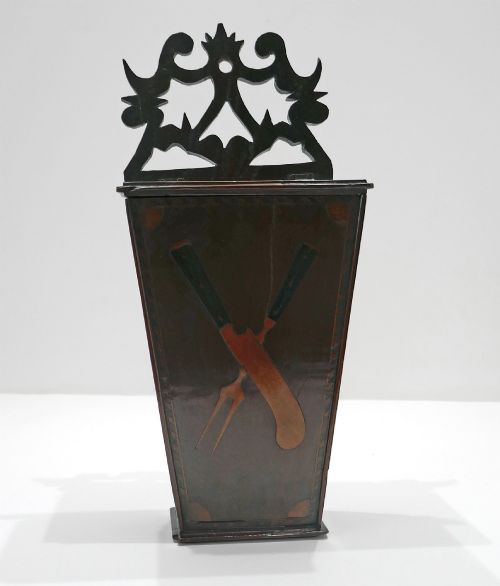
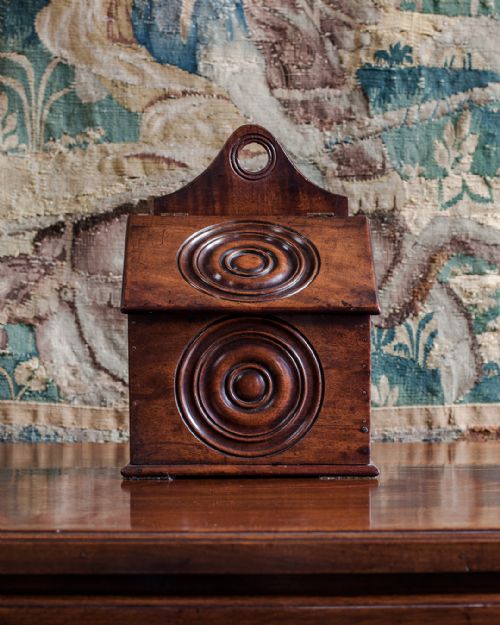
A mahogany wall box is a hanging wooden receptacle designed to organise domestic items such as candles, salt, letters, and cutlery off tabletops. These wall-mounted pieces take various forms across the inventory, ranging from simple slanted-lid salt and candle boxes to glazed wall cabinets, letter boxes, and small cupboards.
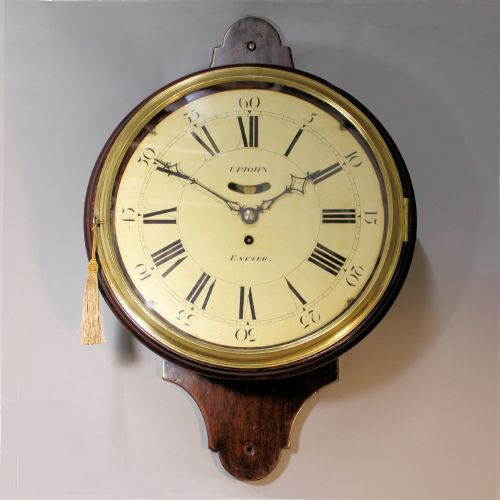
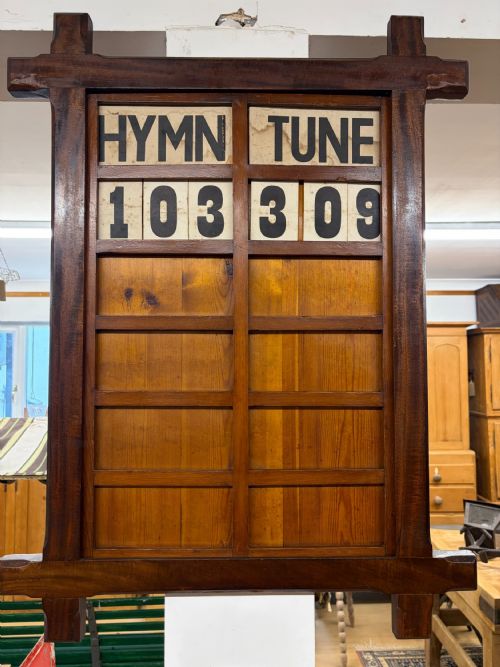
The versions most commonly met on this page span the Georgian, Victorian, and Edwardian periods, utilising the rich dark timbers typical of those eras. Alongside dedicated wall boxes, the selection includes related wooden items like maritime dioramas, drop-dial fusee wall clocks, hymn boards, and hanging mirrors fitted with glove compartments.
Origins stretch from the seventeenth century through to the early twentieth century, reflecting shifting domestic needs in British households. Whether intended for the scullery, hallway, or parlour, each piece combines utility with the warm sheen of mahogany.
How they were made
Makers built these pieces primarily from solid mahogany, often pairing the dense primary timber with secondary woods like pine for internal partitions or backboards. Structural joints relied on traditional woodworking techniques such as dovetailing to withstand the strain of hanging on a wall over centuries.
Surface enrichment frequently involved contrasting veneers and stringing, utilising boxwood, ebony, and satinwood to create geometric or floral inlay patterns. Brass fittings, including hinges, key escutscheons, and hanging loops, provided functional durability alongside polished glass and painted paper elements found on specific wall cabinets and dioramas.
Mahogany Wall Box Retail Price Guide 2026
Typical asking prices for mahogany wall box among the pieces listed under this phrase on Sellingantiques today, from the lower quarter to the upper quarter. They describe what is for sale here now, not the wider market.
Listed forms extend beyond standard storage to include maritime dioramas, drop-dial fusee wall clocks, hymn boards, and hanging mirrors.
What varies in quality
Quality in a mahogany wall box rests upon the selection of timber, particularly the depth of the grain and whether the maker chose figured or flame mahogany for the front facade. Superior examples display restrained, precise inlay work using contrasting woods like satinwood or ebony, executed with clean lines that enhance rather than crowd the primary material.
Proportion and original brass hardware also define the upper tier of pieces, where hinges, escutscheons, and hanging loops remain intact and contemporary to the object. Lesser examples show simpler construction with plain timber grains, heavier secondary woods, or replaced hardware that alters the original profile.
John Thwaites
The Mahogany Wall Box Glossary
- Flame mahogany
- A veneer cut from the fork of the tree where the branch meets the trunk, producing a distinctive flickering flame pattern. This decorative grain was favoured for the primary facades of finer Georgian and Victorian wall boxes.
- Escutcheon
- A protective brass plate surrounding a keyhole, designed to prevent the surrounding wood from wearing away. On wall boxes and cabinets, these plates often serve as a subtle indicator of period style and quality.
- Dovetail
- A joinery technique formed by interlocking wedge-shaped fingers, prized for its exceptional tensile strength. It is commonly found at the corners of drawer boxes and wall receptacles from the eighteenth and nineteenth centuries.
- Fusee clock
- A clock movement driven by a spring acting through a fusiform pulley and a chain or cord, designed to equalise the drive force as the mainspring unwinds. This mechanism appears in the wall clocks listed alongside the box forms.
- Inlay
- A decorative technique where contrasting materials such as satinwood, boxwood, or ebony are set into recessed pockets within the mahogany surface. This creates flush geometric borders, stringing, or floral motifs.
Mahogany Wall Box: Frequently Asked Questions
What were mahogany wall boxes used for?
These boxes provided secure, space-saving storage in domestic rooms for household essentials like tallow candles, coarse salt, and daily correspondence. Hanging them on the wall kept contents dry, clean, and out of the reach of household pests.
Over time, specific forms evolved for specific rooms, leading to dedicated letter boxes, cutlery trays, and small smoke cabinets designed to keep personal items organised in hallways and parlours.
How do I hang a wall box safely?
Most antique wall boxes feature original brass suspension loops or reinforced backboards designed to take the weight of the timber and its contents. Ensure your fixing goes directly into a wall stud or utilises appropriate heavy-duty wall anchors suited to the plaster.
Because these pieces are constructed from dense timbers like mahogany, taking weight distribution into account protects both the antique structure and the wall surface.
How do I tell Georgian from Victorian pieces?
Georgian pieces, spanning the eighteenth and early nineteenth centuries, generally favour clean architectural lines, minimal ornament, and deeply patinated solid mahogany surfaces. Their proportions tend to be utilitarian yet elegant, focusing on the quality of the timber grain.
Victorian and later pieces often incorporate bolder decorative elements, such as satinwood stringing, applied mouldings, glazed doors, or more complex brass hardware reflecting industrial production methods.
How should I clean a mahogany box?
Dust the timber regularly with a soft, dry, lint-free cloth to prevent particulate build-up in the grain and carved details. Avoid modern silicone sprays or household polishes that leave a synthetic film and attract further dust.
Applying a pure beeswax paste sparingly once or twice a year helps nourish the antique mahogany and preserves its natural lustre without harming the original finish.