


Mahogany Storage Shelf
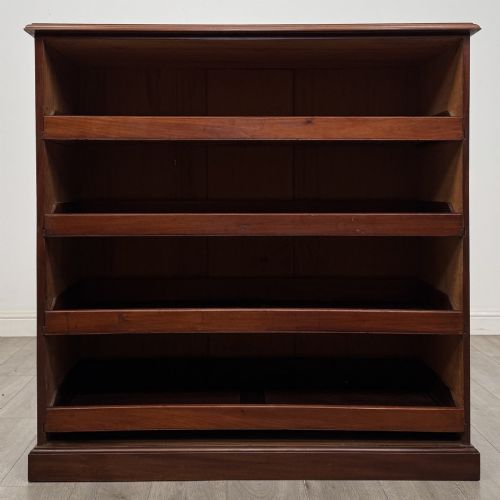
A mahogany storage shelf brings warmth and utility to a room, offering tiered space for books and display.
Mahogany Storage Shelf
When you search for a mahogany storage shelf, you encounter a varied selection of antique furniture designed to hold books, display items, and household goods. These pieces span the nineteenth and twentieth centuries, encompassing Victorian, Edwardian, and Regency periods.
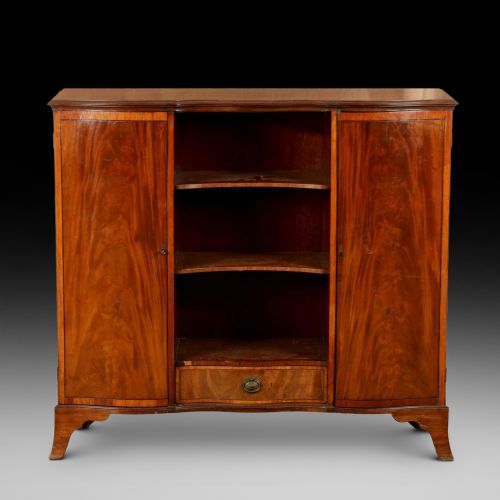
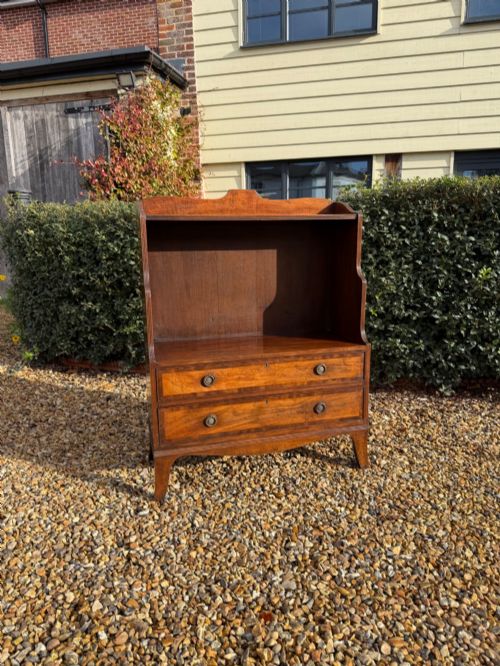
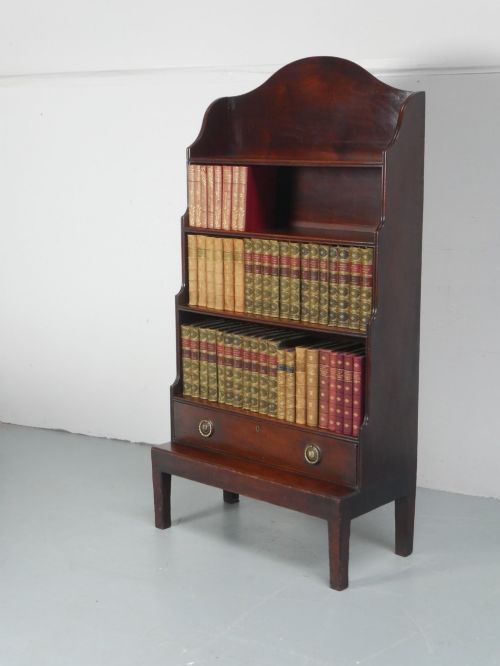
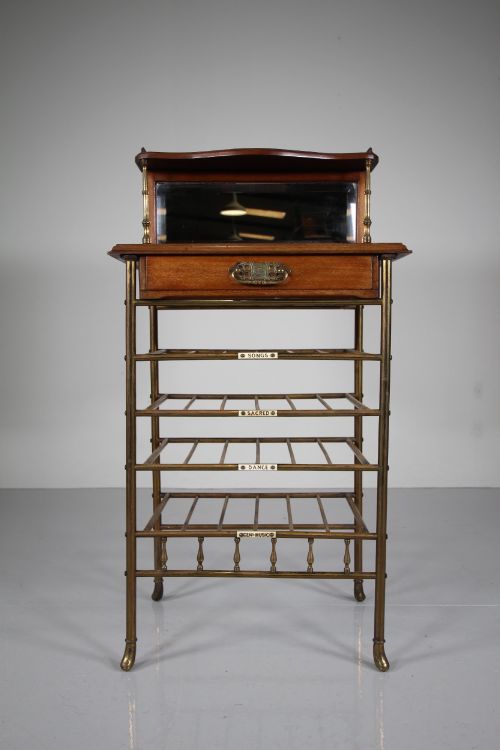
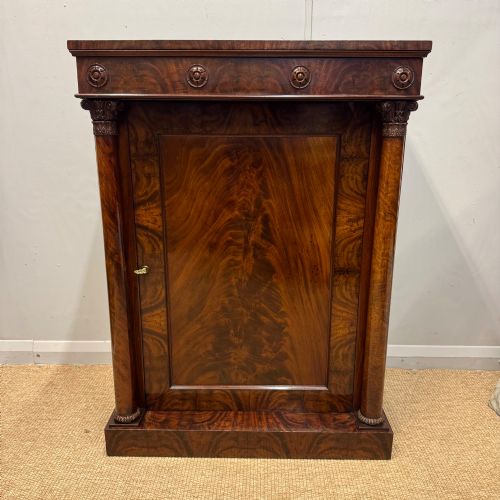
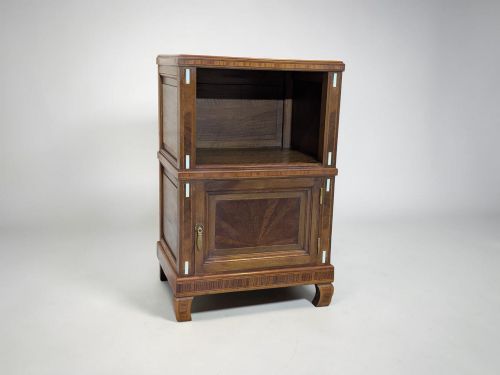
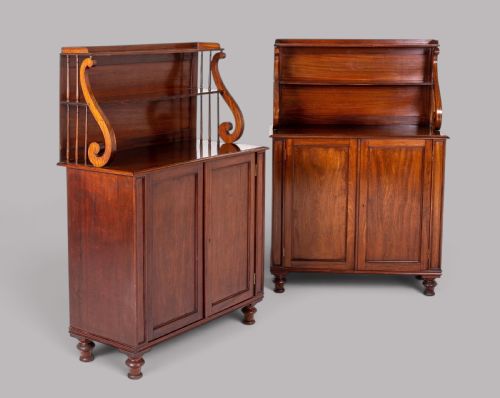
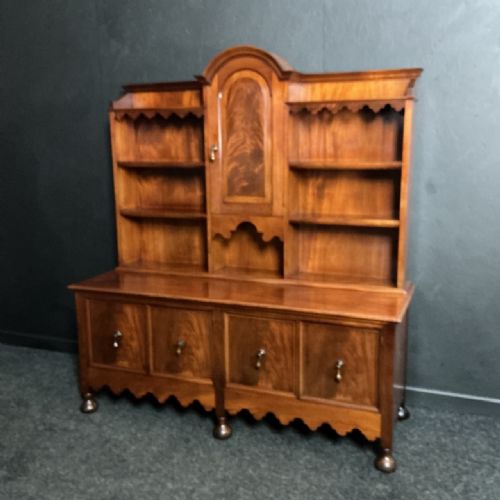
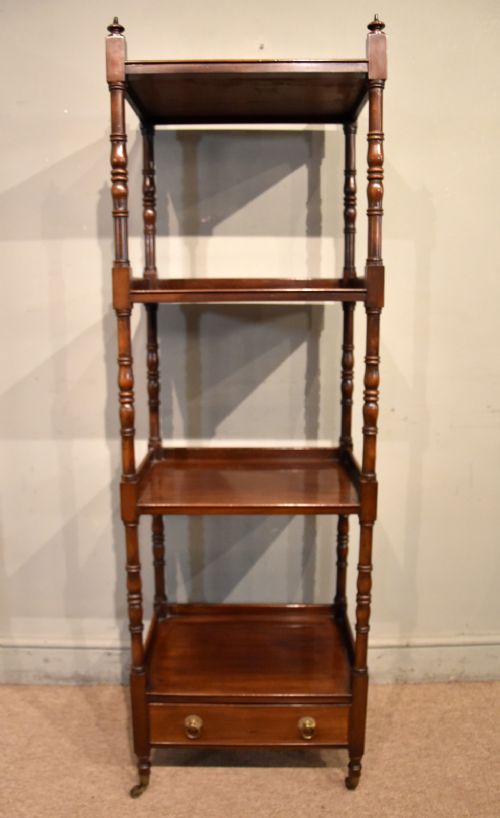
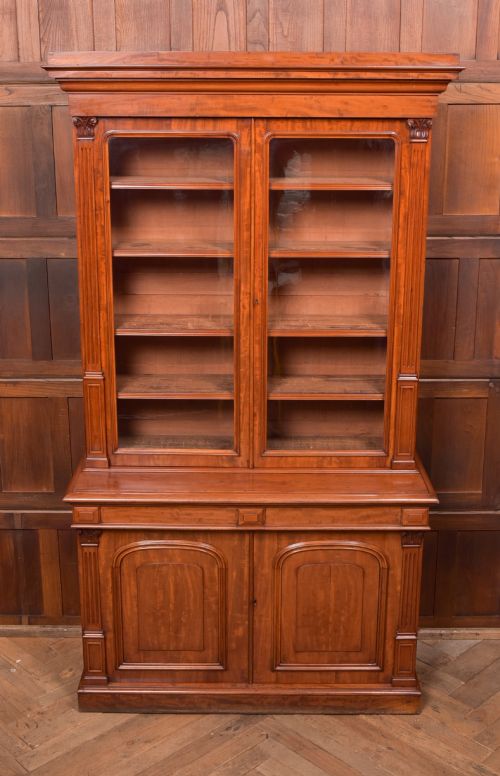
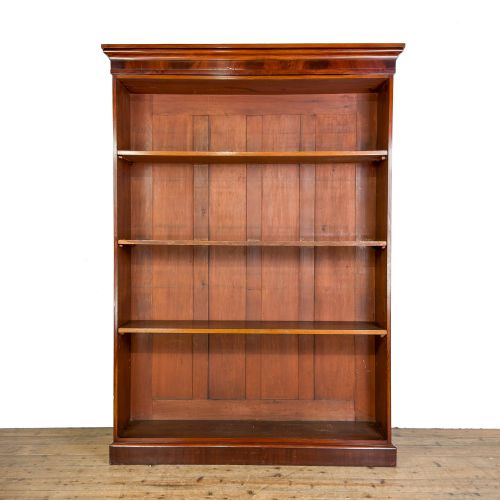
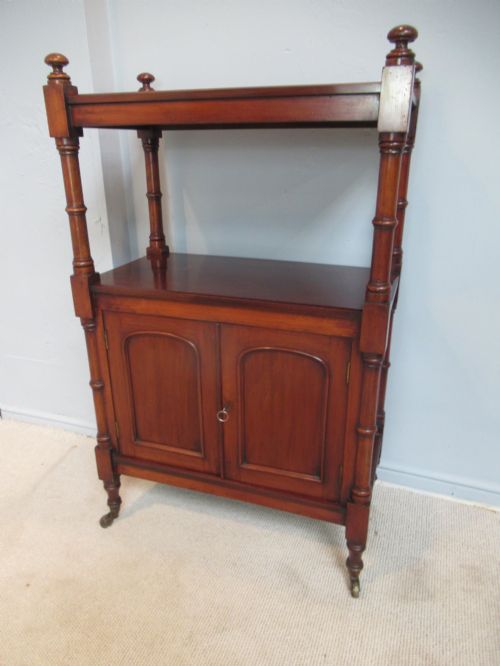
The inventory on this page includes open bookcases, chiffoniers, whatnots, side cabinets, and wall shelves. You are most likely to meet practical open bookcases and tiered whatnots from the Victorian and Edwardian eras, alongside refined Regency side cabinets.
Makers and craftsmen utilised dense timber to construct items ranging from compact wall-hanging shelves to large, freestanding display units with adjustable shelves and glazed doors. Each form serves a distinct organizational purpose within domestic interiors.
How they were made
Cabinet makers constructed these storage pieces primarily using solid mahogany and mahogany veneer, frequently highlighting flame mahogany figures on prominent surfaces. Workshops selected timber for its rich grain patterns and durability.
Construction techniques incorporated brass hardware, glass panels for display doors, and internal metal components for adjustable shelving mechanisms. Structural integrity relied on traditional joinery applied to robust wood frames.
Mahogany Storage Shelf Retail Price Guide 2026
Typical asking prices for mahogany storage shelf among the pieces listed under this phrase on Sellingantiques today, from the lower quarter to the upper quarter. They describe what is for sale here now, not the wider market.
Listings feature mahogany storage shelf forms from the 19th Century, Victorian, Edwardian, and Regency periods, utilising brass, glass, and flame veneer.
What varies in quality
The standard of a piece depends heavily on the selection of timber veneers and the crispness of the secondary wood construction. Uniformity in the grain and the depth of the polish distinguish superior examples from simpler utilitarian items.
Refinement in architectural details, such as raised galleries, bracket feet, and properly functioning adjustable shelving, separates standard production furniture from master workshops. The integrity of the glass and brass fittings also indicates the original tier of manufacture.
The Mahogany Storage Shelf Glossary
- Whatnot
- A set of open shelves standing on pillars, used for displaying ornaments or books. These multi-tiered items date frequently to the nineteenth century.
- Chiffonier
- A low sideboard, often featuring a shelf or enclosed cupboard space beneath the main surface. Regency and Victorian versions frequently incorporate open book shelving above.
- Flame mahogany
- A veneer showing a distinctive flickering flame pattern derived from specific cuts of wood. Cabinet makers reserved this highly decorative surface for prominent display areas.
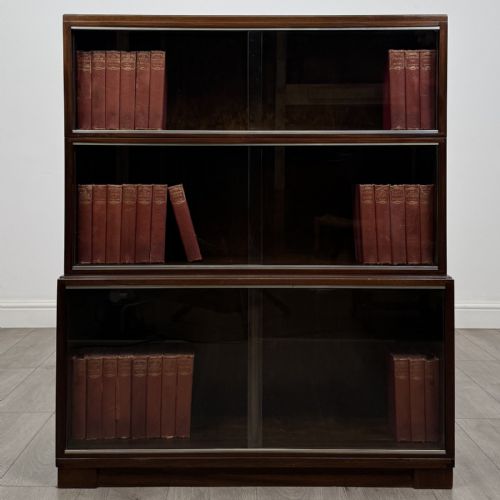
- Barristers stacking bookcase
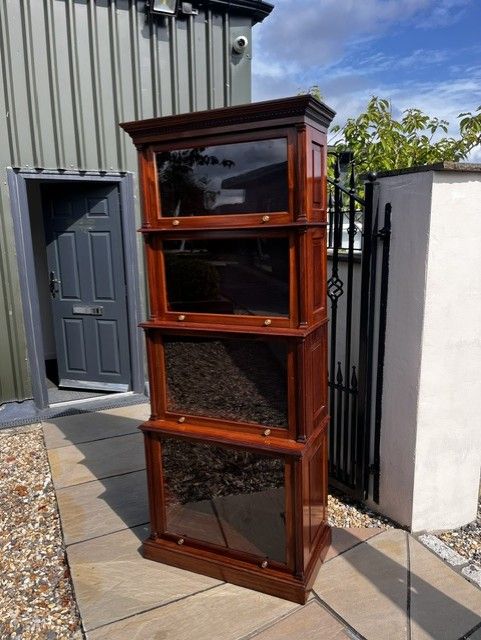
- A modular bookcase featuring glass-fronted sections that lift and slide inward. These specialised units allow individual shelf levels to stack together.
Mahogany Storage Shelf: Frequently Asked Questions
Where should I place a mahogany storage shelf?
These pieces suit living rooms, studies, and hallways where books and decorative items require organisation. Freestanding models anchor against walls, while compact wall shelves utilise vertical space.
Consider the scale of the room and the natural light levels when positioning polished timber furniture to protect the wood finish.
How do I adjust wooden shelving?
Many period bookcases and cabinets utilise traditional wooden ratchets or metal pins to support adjustable shelves. You simply lift the shelf slightly to disengage it from the supports and relocate it to the desired height slot.
Take care when moving older timber shelves to avoid scraping the interior lining or straining the original support brackets.
Can I store heavy books on antique shelves?
Solid mahogany construction generally provides robust support for standard volumes. However, older shelves may show slight bowing over long spans if subjected to excessive weight.
Distribute heavier volumes across lower tiers or shorter shelf sections to maintain the structural stability of period bookcases.
How do I identify a Victorian bookcase?
Victorian pieces often display darker, richer mahogany tones and heavier proportions compared to lighter Edwardian or Regency designs. Look for decorative elements like glazed doors, arched pediments, and carved corbels.
Examining the construction methods on the backboards and interior drawer linings helps confirm nineteenth-century origin.