






Mahogany Storage Case
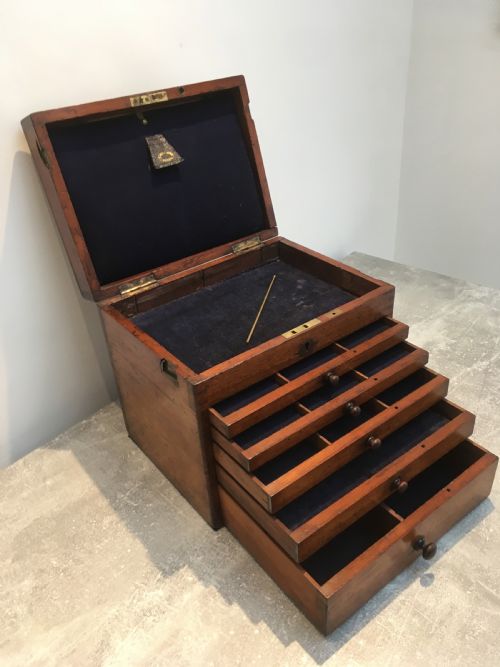
A mahogany storage case spans everything from Georgian apothecary chests to Edwardian display cabinets, built for holding valuables safely out of sight.
Mahogany Storage Case
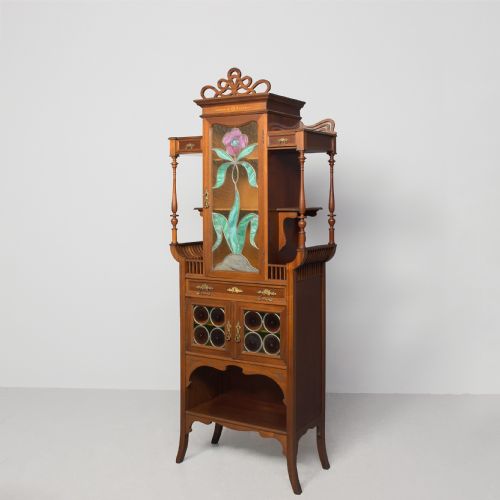
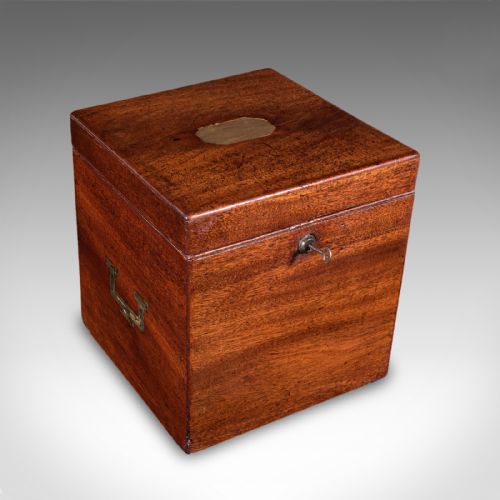
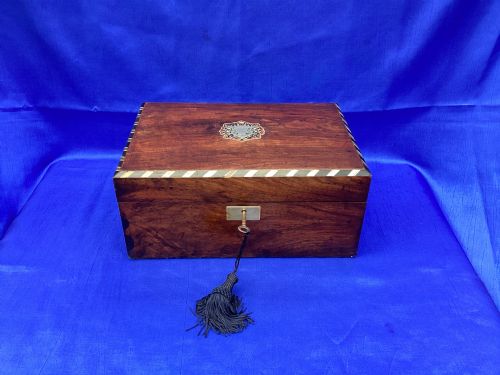
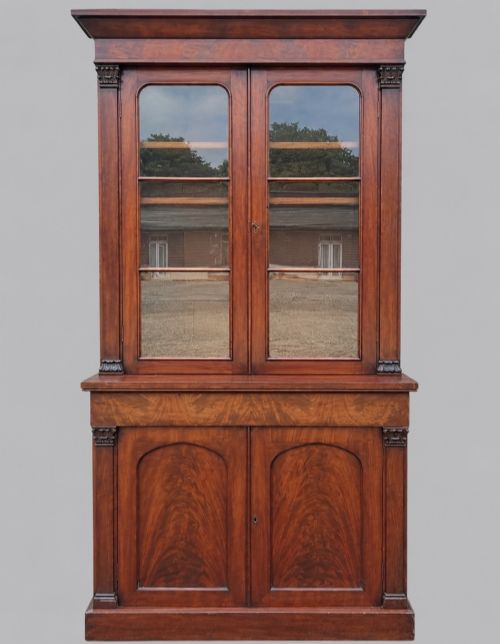
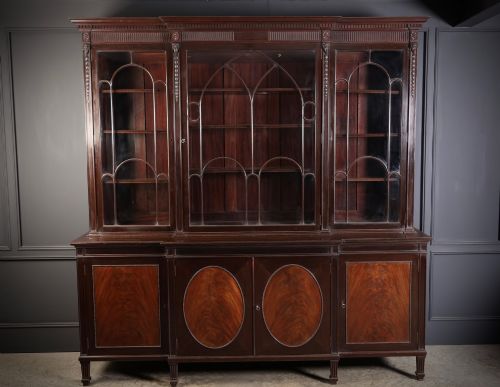
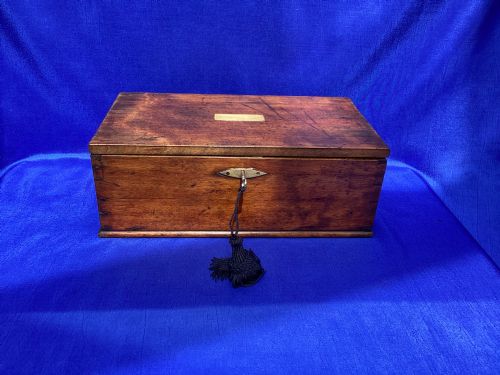
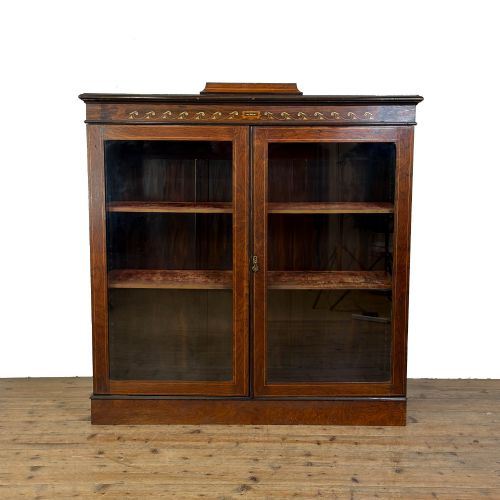
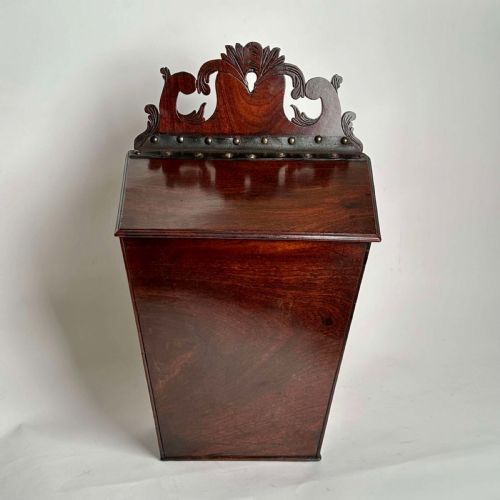
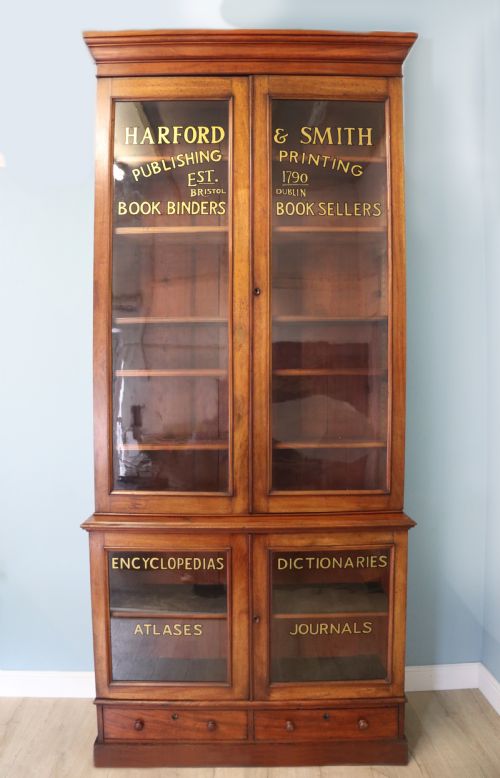
A mahogany storage case brings together a broad family of domestic and professional receptacles, ranging from small desktop specimen chests and jewellery boxes to large breakfront bookcases and vitrines. When you search for a mahogany storage case, you encounter functional objects designed to protect specific items, such as bottles, instruments, tea, or books.
The pieces on this page lean heavily towards nineteenth-century production, with Victorian and Georgian examples dominating alongside Edwardian and later interpretations. Smaller tabletop boxes sit beside tall standing cupboards and cellarettes, reflecting a tradition where fine timber houses precious possessions.
Materials and construction
Makers relied primarily on solid mahogany and mahogany veneers laid over secondary timbers like pine, often enriching surfaces with satinwood inlay or brass hardware. Glass panels appear on the larger bookcases and display cabinets, while interiors frequently utilise velvet linings to cushion delicate contents.
Joinery techniques matched the intended use of each case, from sturdy dovetail joints on heavy toolboxes and cellarettes to precise framing on glazed library cabinets. Brass locks by makers such as Bramah and fitted internal compartments demonstrated the meticulous attention given to security and organisation.
Mahogany Storage Case Retail Price Guide 2026
Typical asking prices for mahogany storage case among the pieces listed under this phrase on Sellingantiques today, from the lower quarter to the upper quarter. They describe what is for sale here now, not the wider market.
Assessing quality and execution
Quality rests on the selection of the timber grain, the crispness of any inlay work, and the integrity of the original hardware. Superior pieces display rich, undisturbed patination on the mahogany surface alongside heavy, well-cast brass handles and hinges.
Internal engineering separates standard utility boxes from exceptional commissions, seen in secret drawers, perfectly fitted bottle partitions, and functioning branded locks. The balance of proportions and the refinement of edge mouldings further distinguish workshop output from mass production.
Holtzapffel and Co·C Hindley and Sons·W E Hill
The Mahogany Storage Case Glossary
- Cellarette
- A lockable storage case designed to hold wine bottles, often kept in the dining room during the Georgian and Victorian periods. These units frequently take a sarcophagus or octagonal form.
- Apothecary case
- A specialised medical chest fitted with internal partitions to secure glass medicine bottles and small drawers for powders and scales. They are valued for their compact, ingenious internal layout.
- Vitrine
- A glass-fronted display cabinet used for showing porcelain, curiosities, or books. The term derives from the French word for glass.
- Tea caddy
- A small storage box intended for keeping loose tea leaves secure and dry, often featuring dual internal compartments with lids. Tea was a costly commodity requiring physical protection.
- Specimen case
- A miniature set of drawers or a cabinet built for housing natural history collections, such as fossils, insects, or minerals. These feature shallow drawers designed for organisation.
Mahogany Storage Case: Frequently Asked Questions
How do I date a mahogany storage case?
Dating relies on examining construction methods, timber thickness, and secondary woods like pine or oak used in carcass linings. Hardware styles, such as lock mechanisms and brass carrying handles, also shift noticeably between the Georgian and Edwardian eras.
Cabinet aesthetics provide further clues, moving from heavy classical proportions in the eighteenth century to lighter inlaid surfaces during the Sheraton Revival and Edwardian periods.
Were these cases used in homes or offices?
Mahogany storage cases served both domestic spaces and professional environments, depending entirely on their internal configuration. Large bookcases and jewellery boxes belonged in drawing rooms and libraries, while apothecary chests and instrument cases travelled with professionals.
Commercial examples, such as haberdashery display cases and pencil dispensers, originated in shops before entering the collector market.
What is a cellarette used for?
A cellarette stored wine bottles safely in the dining room before the widespread use of fitted architectural cellars. They kept bottles cool and secure under lock and key.
Inside, lead linings often accommodated ice to chill the wine, while wooden dividers kept the glass separated.
How should I clean a mahogany storage case?
Maintenance requires gentle dusting with a soft, dry cloth to protect the aged polish and patination of the wood. Avoid modern chemical sprays and silicone polishes, which can build up and soften historical finishes.
Feed the dry timber occasionally with a traditional beeswax polish applied sparingly and buffed out thoroughly by hand.