

Mahogany Sheet Holder
A mahogany sheet holder organises the folios of your study or parlour while bringing the rich grain of native hardwoods to hand.
Mahogany Sheet Holder
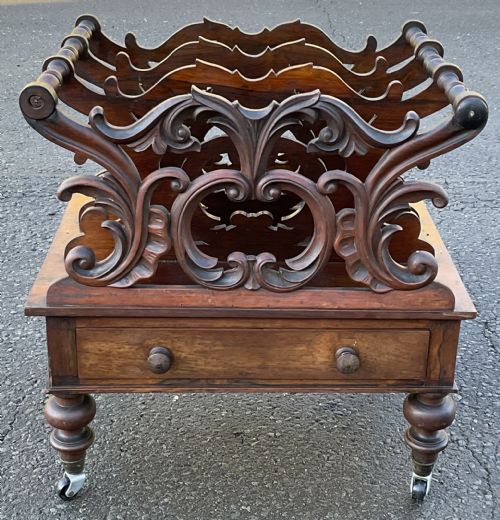
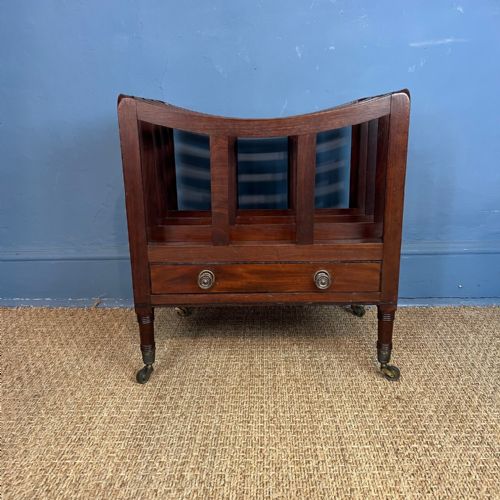
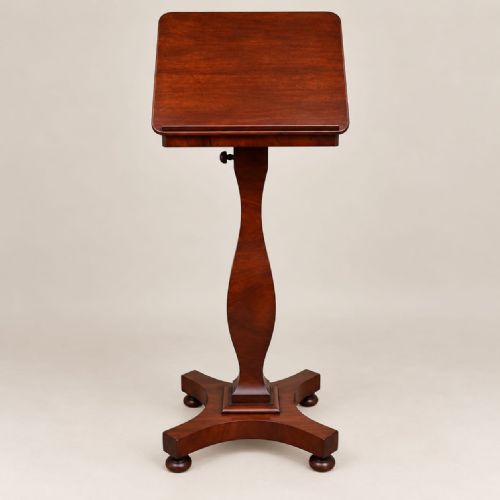
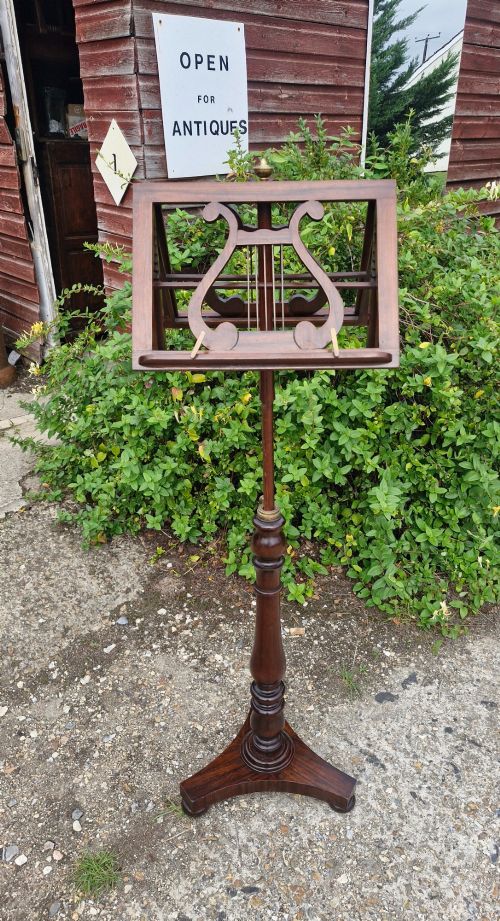
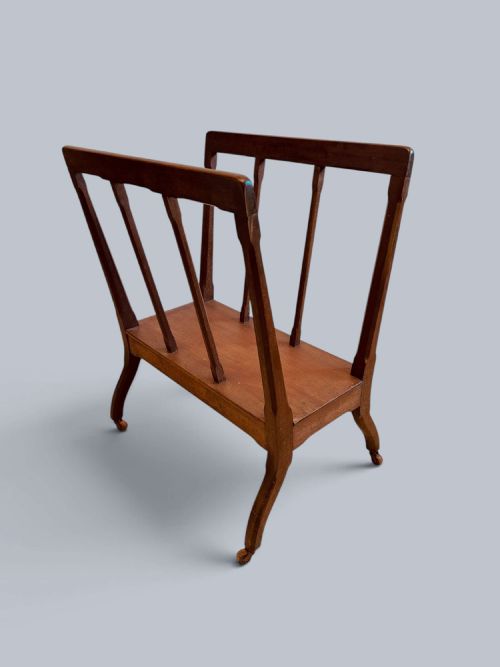
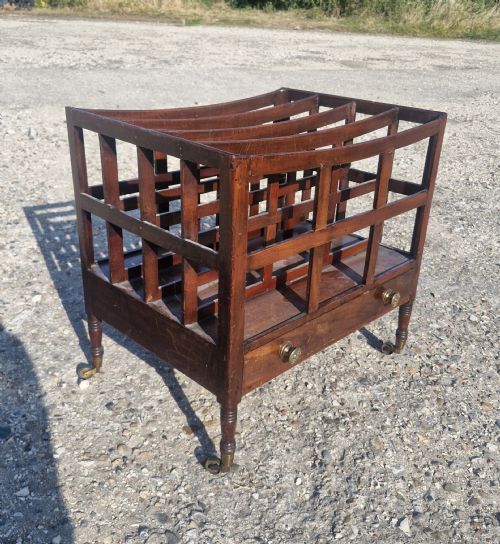
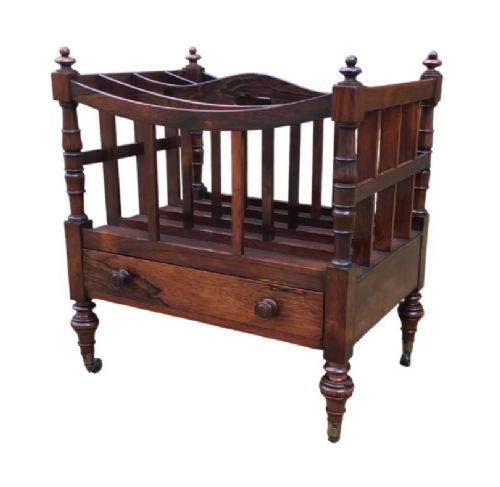
When you search for a mahogany sheet holder, you encounter forms that served musicians and readers in the parlour and study, most frequently appearing as canterburys and music stands. These pieces span the eighteenth, nineteenth, and early twentieth centuries, encompassing Georgian, Regency, William IV, Victorian, and Edwardian periods.
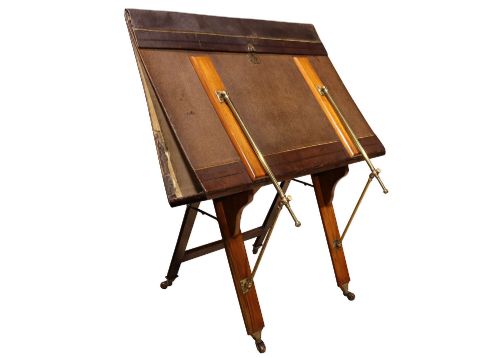
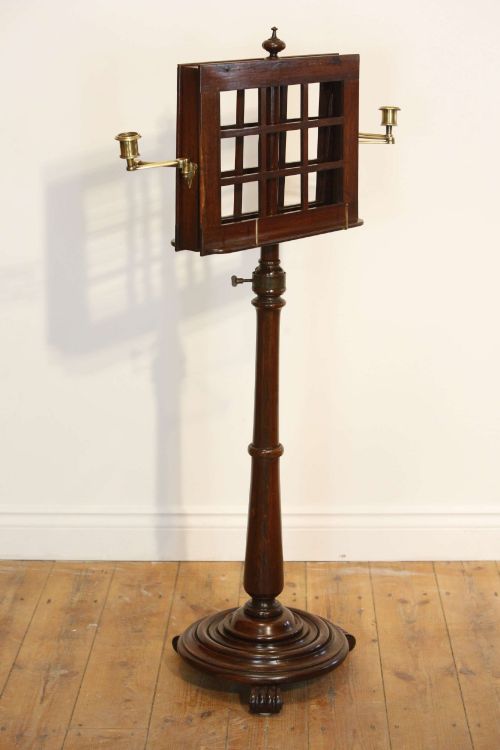
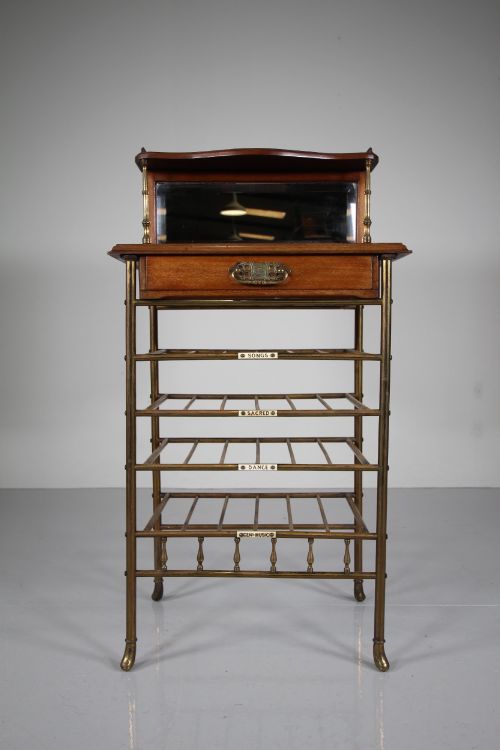
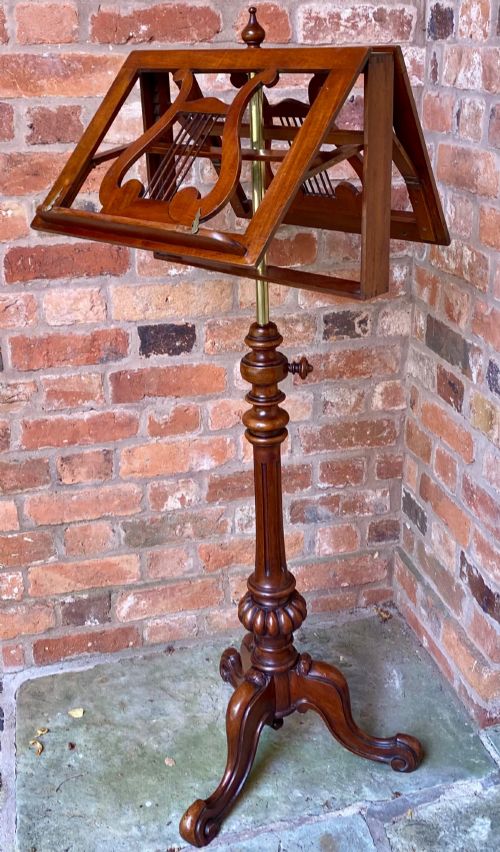
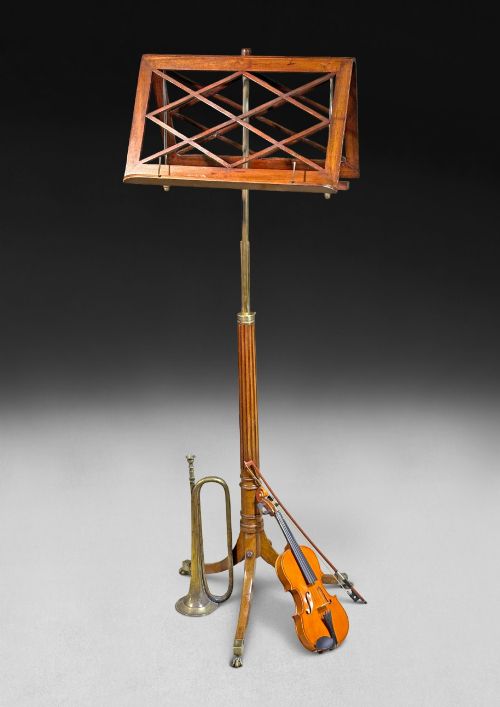
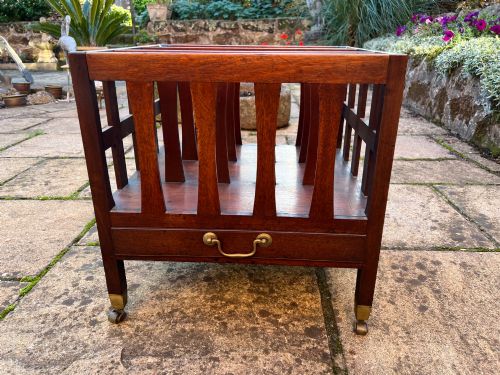
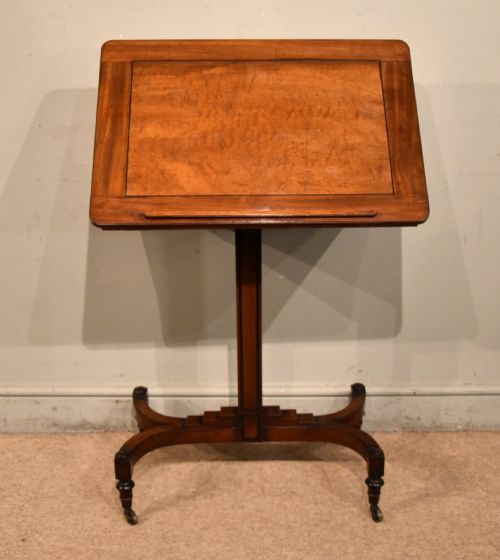
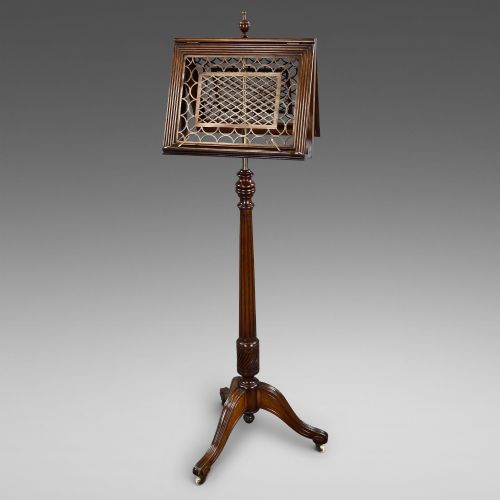
The selection on this page consists primarily of canterburys with divisions for folios and sheet music, alongside adjustable duet music stands and reading tables. Many of these pieces incorporate drawers beneath the rack or stand upon turned legs with castors for ease of movement across the room.
What varies in quality
The distinction between standard and superior pieces lies in the selection of timber and the crispness of the joinery. Figured Cuban mahogany and fine boxwood inlay elevate a piece above simpler variants.
Proportion and hardware also define the better examples, where turned legs, brass castors, and integrated drawers demonstrate considered craftsmanship rather than basic utility.
Mahogany Sheet Holder Retail Price Guide 2026
Typical asking prices for mahogany sheet holder among the pieces listed under this phrase on Sellingantiques today, from the lower quarter to the upper quarter. They describe what is for sale here now, not the wider market.
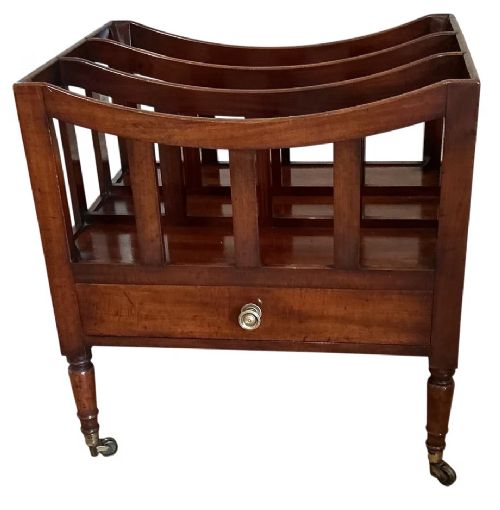
Some canterburys feature boat-shaped frames that look ready to set sail across the drawing room carpet.
Gillow of Lancaster
The Mahogany Sheet Holder Glossary
- Canterbury
- A low stand with vertical divisions used for holding sheet music, folios, or magazines, often fitted with a drawer at the base.
- Duet music stand
- A double-sided music stand designed to hold scores for two performers simultaneously, frequently featuring adjustable height or angle mechanisms.
- Lyre-form
- A decorative motif shaped like an ancient lyre, frequently utilised in the central supports of music stands and reading tables.
- Boat-shaped
- A descriptor for canterburys featuring curved, swelling side rails reminiscent of a vessel's hull.
- Castor
- A small wheel fitted to the legs of furniture to allow smooth repositioning across carpets and floors.
Mahogany Sheet Holder: Frequently Asked Questions
What is a mahogany sheet holder used for?
These pieces were designed to hold sheet music, folios, and reading materials close to a piano or armchair in the parlour.
Today, they serve equally well for organising current magazines and documents while adding period character to a room.
How do I tell a Regency canterbury apart from a Victorian one?
Regency pieces often display restrained classical lines, boat-shaped frames, and elegant turned legs with brass castors.
Victorian examples tend towards heavier proportions, darker finishes, and occasionally more elaborate fretted woodwork.
Are music stands adjustable?
Many of the duet music stands from the Regency and Georgian periods feature mechanisms to alter the height and angle of the desk.
These adjustments allowed musicians to read comfortably while either sitting or standing.
Where should I place a canterbury in my home?
A canterbury sits well beside a desk, reading chair, or piano where folios and magazines need to be kept tidy yet accessible.
Because many examples feature castors, they can be moved easily across the floor as required.