



Mahogany Purdonium
These mahogany purdonium pieces are proper fireside coal boxes designed to keep fuel tidy in the parlour.
Mahogany Purdonium
When you search for a mahogany purdonium, you find dedicated fireside containers designed to hold coal near the hearth. Most examples on this page date from the Victorian and Edwardian periods, stretching from the late nineteenth century into nineteen hundred.
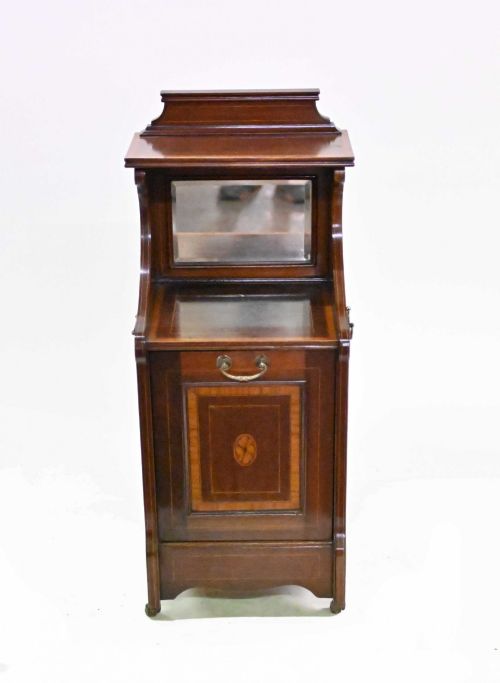
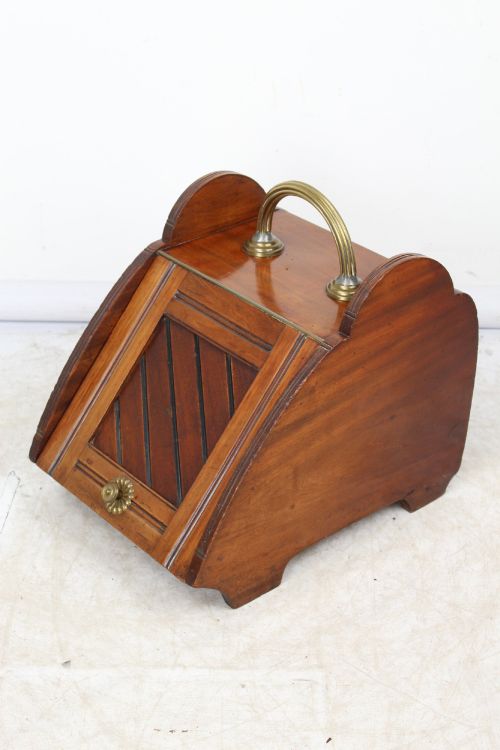
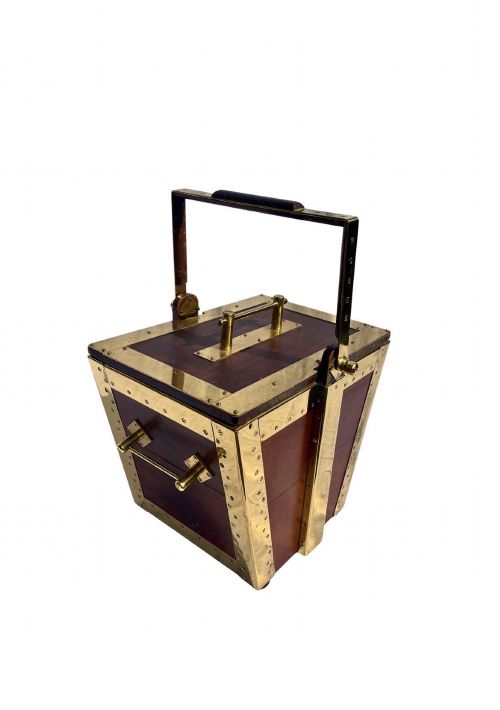
These pieces take various forms, appearing as side cabinets, lidded boxes, and scuttles alongside fireside accessories. They serve the practical purpose of storing coal while keeping domestic rooms tidy from dust and debris.
Origins span English workshops of the nineteenth century, utilising cabinet-making traditions of the era. You will encounter styles ranging from plain Victorian models to Edwardian inlaid pieces and revivals like Louis XV.
How they were made
Makers built these items primarily from solid mahogany timber, frequently incorporating satinwood inlay and brass mounts for decorative effect. Internal functionality relied on zinc, iron, or metal liners designed to contain coal cleanly.
Construction techniques combined traditional cabinet joinery with metalworking for hinges, handles, and accompanying shovels or scoops. Many examples feature carved details or ormolu mounts, reflecting the stylistic preferences of Victorian and Edwardian craftsmen.
Mahogany Purdonium Retail Price Guide 2026
Typical asking prices for mahogany purdonium among the pieces listed under this phrase on Sellingantiques today, from the lower quarter to the upper quarter. They describe what is for sale here now, not the wider market.
Listings span Victorian and Edwardian periods, utilising mahogany, brass, zinc, and satinwood inlay.
What varies in quality
The standard of a mahogany purdonium depends on the crispness of the timber carving and the sophistication of any satinwood inlay. Finer cabinets display better proportion and more substantial brass furniture.
Survival of original metal liners and matching shovels elevates an example, as these components often suffered from heavy fireside use. The integration of brass figures, ormolu mounts, or stylistic nods to Liberty distinguishes simpler boxes from elaborate parlour cabinets.
The Mahogany Purdonium Glossary
- Zinc liner
- The internal removable metal container placed inside a coal box. This protected the wooden structure from moisture and dirt.
- Satinwood inlay
- Contrasting blonde timber inserted into the mahogany surface in geometric or floral patterns. It is characteristic of Edwardian pieces.
- Ormolu
- Gilt-metal mounts applied to furniture for decoration. It appears on select refined coal bins.
- Fireside companion
- An accompanying tool such as a shovel or scoop designed for use with the coal box. These often match the metal accents of the main cabinet.
Mahogany Purdonium: Frequently Asked Questions
What is a mahogany purdonium?
A mahogany purdonium is a specialised fireside cabinet or box built to store coal neatly in a room. These pieces combine wooden cabinetry with a metal interior to manage fuel efficiently.
They emerged strongly during the Victorian and Edwardian eras as domestic comfort and interior presentation became increasingly refined.
How were they used?
These containers sat by the fireplace to hold coal supplies close at hand without scattering dust across the carpet. The drop-down front or sloping lid allowed easy access for replenishing the hearth.
Many included a matching shovel or scoop stored within or alongside the cabinet for daily tending of the fire.
Do they still have metal liners?
Many surviving examples retain their original metal or zinc liners, which were designed to lift out for emptying and cleaning. These liners protected the surrounding mahogany from moisture and coal dust.
Finding a piece with its original liner and matching shovel adds to the completeness of the item.
How do I date a purdonium?
Dating relies on observing the timber, hardware, and stylistic details present in the construction. Victorian examples often feature heavy carving or brass figures, while Edwardian pieces frequently showcase satinwood inlay.
Cabinet forms also shifted from robust Victorian side units toward lighter Edwardian inlaid box designs around nineteen hundred.