




Mahogany Picture Frame
Mahogany picture frame selections hold prints, watercolours and photographs securely within rich timber mouldings.
Mahogany Picture Frame
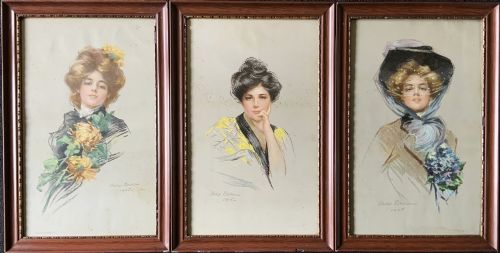
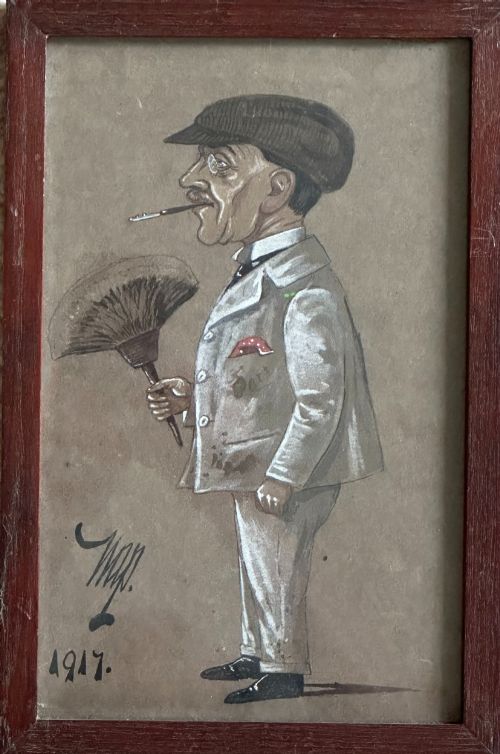
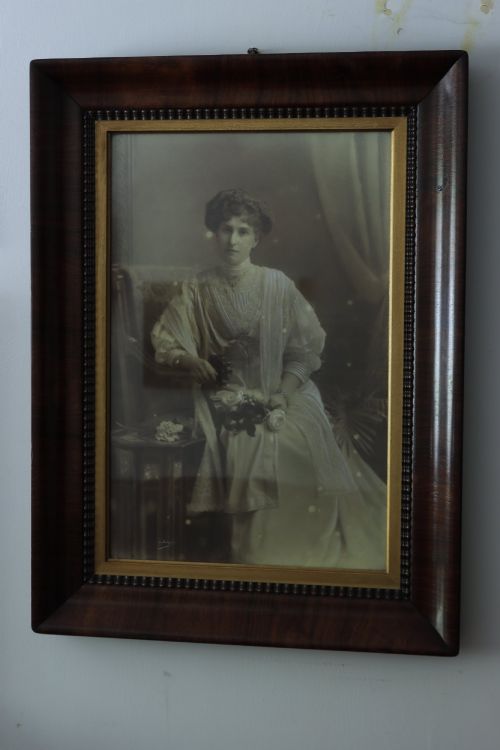
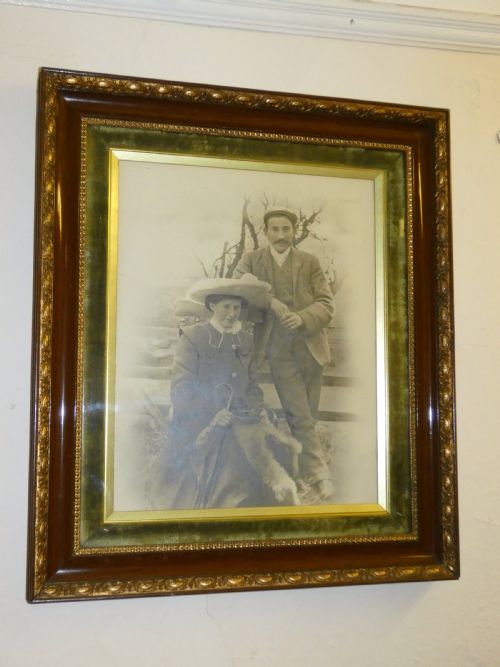
A mahogany picture frame encompasses wall art, portraits and watercolours enclosed in deep timber mouldings from the nineteenth and early twentieth centuries. These pieces house everything from Regency hand tinted prints and Victorian needlework to Edwardian lady portraits and early twentieth century caricatures.
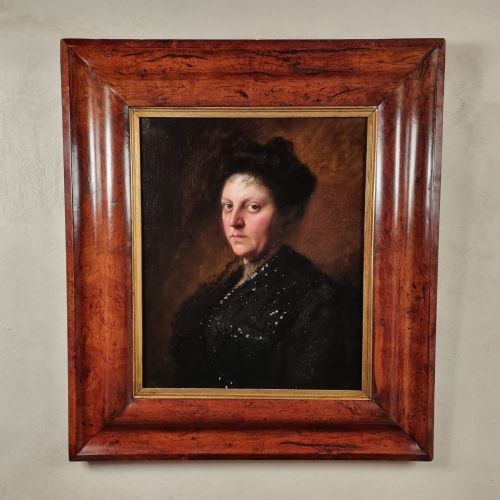
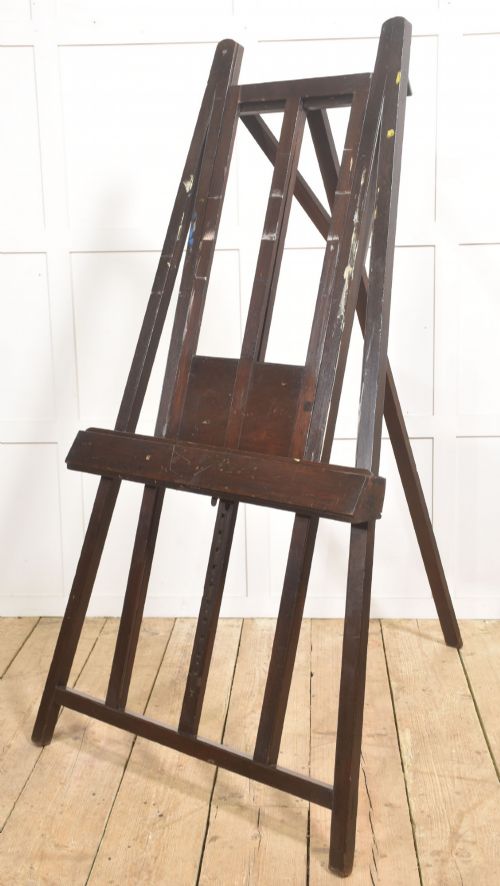
Most examples encountered on this page derive from the Victorian, Edwardian and Regency periods, utilising timber alongside glass, gold leaf and canvas. The listings display diverse forms including framed prints, oil paintings, wall mirrors and large studio easels constructed in mahogany.
What varies in quality
The standard of a piece rests upon the depth of the mahogany moulding, the crispness of any carved detail, and the harmony between the timber and the artwork it encloses. Finer examples display superior grain selection and robust structural joinery that withstands centuries of handling.
Context also defines distinction, where original glass, untouched backing papers and period mounting elevate an item beyond standard framing. The relationship between the timber enclosure and the watercolour, print or photograph dictates overall visual cohesion.
Mahogany Picture Frame Retail Price Guide 2026
Typical asking prices for mahogany picture frame among the pieces listed under this phrase on Sellingantiques today, from the lower quarter to the upper quarter. They describe what is for sale here now, not the wider market.
Listings span the nineteenth century through the early twentieth century, incorporating Victorian, Edwardian and Regency styles.
Philip Boileau·Emile Vernon·Eduard Veith·David Wilkie·Archibald Thorburn
The Mahogany Picture Frame Glossary
- Mahogany
- A durable tropical hardwood known for its rich reddish brown grain and stability. It provides a robust structure for framing works of art.
- Gilt
- A gold leaf or gold paint finish applied to wood surfaces. This technique adds reflective highlights to the timber moulding.
- Chrystoleum
- A Victorian method of applying a hand coloured print to glass and backing it with oil paint. These fragile works require protective frames.
- Needlework
- Stitched textile art created with wool or silk threads on canvas. Pieces such as needlework horses and portraits frequently appear in period frames.
- Etching
- An intaglio printmaking process where acid cuts lines into a metal plate. Impressions are then printed on paper and mounted behind glass.
Mahogany Picture Frame: Frequently Asked Questions
How do I date a mahogany frame?
Dating relies upon timber characteristics, joinery techniques and the style of the enclosed artwork. Earlier nineteenth century pieces often feature deeper profiles and hand finished surfaces.
Later Edwardian and twentieth century examples tend toward lighter mouldings and machine cut precision, aligning with the photographic prints or caricatures they hold.
Can I replace the glass safely?
Replacing glass requires careful attention to original rebates and historic backing materials. Retaining old window glass preserves the authenticity of the piece.
Modern glass should be cut to exact dimensions to fit snugly within the mahogany rebate without applying undue pressure to the artwork.
What artwork belongs in these frames?
Period watercolours, engravings, hand tinted prints and nineteenth century needlework suit these timber housings naturally. The warm reddish tones complement pastoral landscapes and formal portraits.
Matching the era of the frame to the date of the print or painting ensures a historically coherent display on the wall.
How do I care for the wood?
Maintenance involves dusting with a soft dry cloth and avoiding direct sunlight or excessive heat. Excessive moisture damages both the mahogany timber and the enclosed paper or textile.
Keeping the environment stable prevents the wood from shrinking and protects any gilt or gold leaf applied to the moulding.