



Mahogany Parlour Couch
A mahogany parlour couch offers a solid timber frame and traditional upholstery suited to formal reception rooms.
Mahogany Parlour Couch
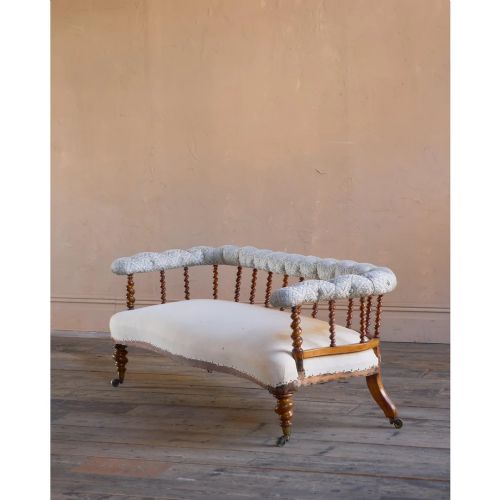
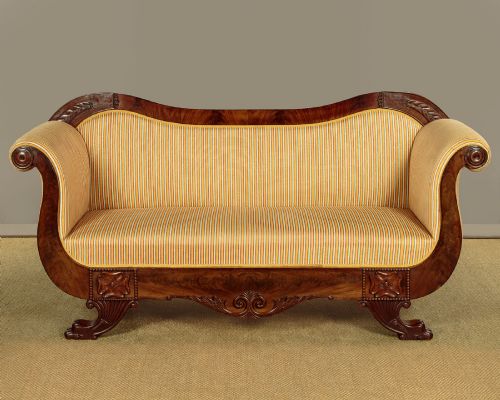
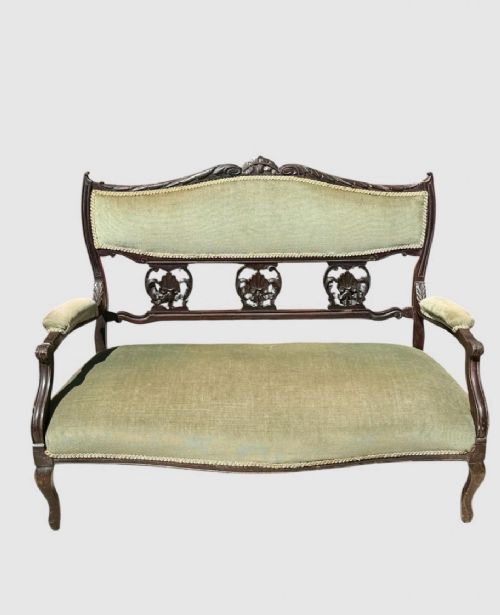
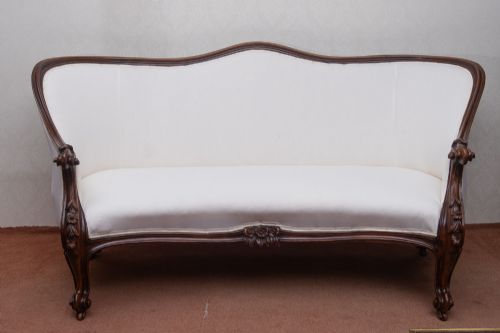
A mahogany parlour couch brings together sturdy hardwood framing and comfortable seating designed for nineteenth and early twentieth century sitting rooms. You encounter diverse formats under this description, ranging from double ended sofas and scroll end couches to salon settees and Chesterfield styles. These pieces span the Regency, William IV, Victorian, and Edwardian eras.
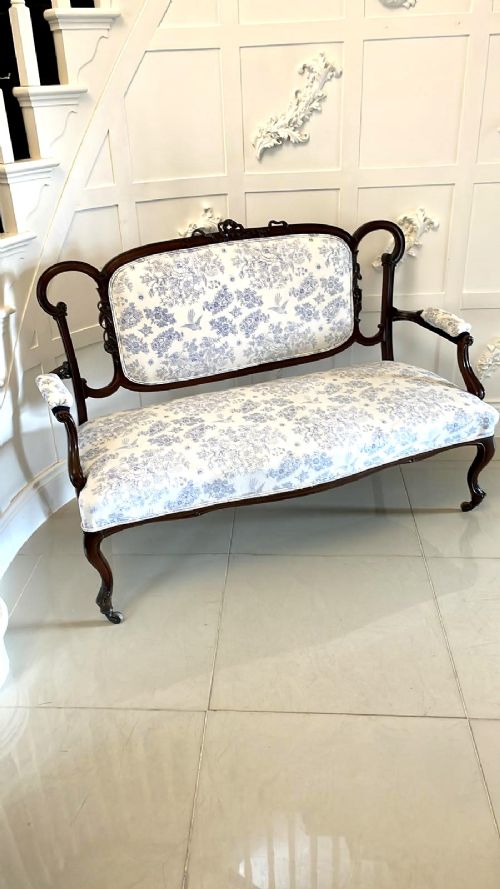
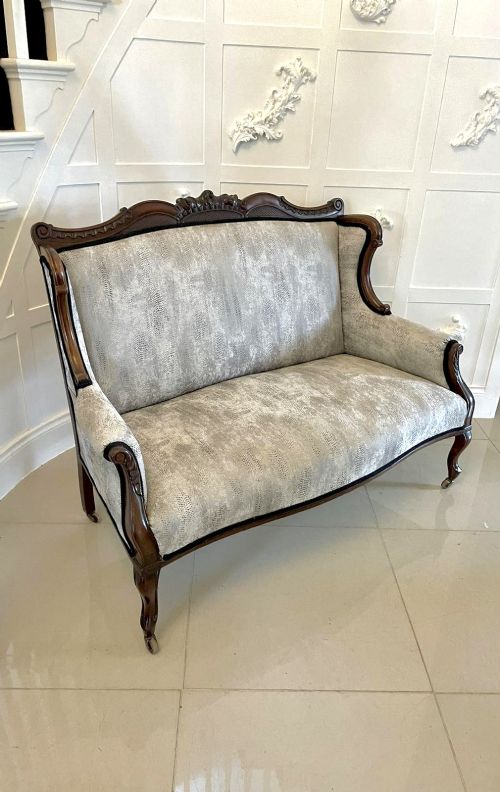
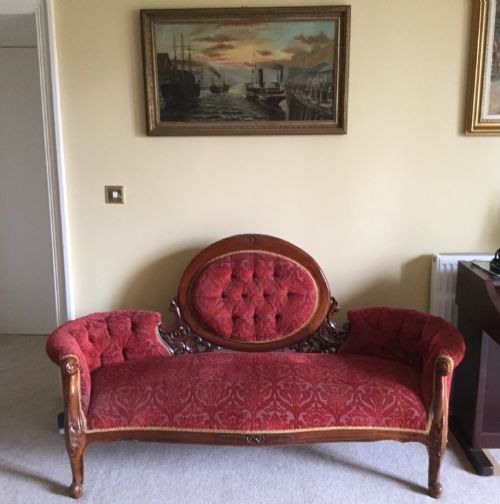
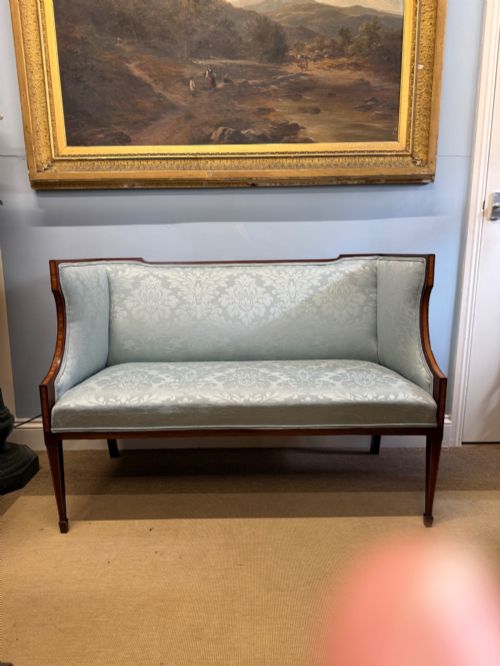
The selection on this page shows pieces originating across the nineteenth and early twentieth centuries, constructed primarily from mahogany frames. Many examples feature classic twin arm configurations, carved wooden supports, and turned legs. Others incorporate contrasting timbers or inlaid details that reflect later design preferences.
How they were made
Makers built these frames using dense mahogany timber, often selecting highly figured grains for prominent show woods. Structural elements relied on traditional joinery techniques, while decorative accents frequently included hand carving, spindle turning, or contrasting satinwood inlay.
Upholstery methods utilised heavy springs, webbing, and traditional stuffing materials beneath outer layers of fabric. Workshops finished these seats in various textiles, including damask, velvet, brocade, and patterned fabric.
The periods represented span from early nineteenth-century Regency and William IV pieces through to Edwardian salon furniture.
What varies in quality
The standard of timber selection and carving depth sets individual examples apart. Frames with crisp, detailed hand carving and rich natural grain patination represent higher tiers of craftsmanship.
Construction robustness and the integrity of the internal sprung base also influence the overall standard. Pieces retaining sophisticated inlaid detailing or well-preserved original framing demonstrate superior workshop output.
C. Hindley & Sons·Maple and Co
The Mahogany Parlour Couch Glossary
- Double Ended Sofa
- A seat featuring matching scroll ends or raised backs at both extremities, allowing a person to recline from either direction.
- Scroll End
- A sweeping, curved wooden armrest that rolls outward at the end of the couch, common in Regency and Victorian designs.
- Satinwood
- A pale, hard timber used for contrasting stringing and decorative inlay work on Edwardian and late nineteenth-century mahogany frames.
- Brocade
- A rich, heavy woven fabric often featuring raised floral or patterned motifs utilised in traditional upholstery.
Mahogany Parlour Couch: Frequently Asked Questions
How do I date a mahogany parlour couch?
Dating relies on observing stylistic markers within the wood carving, frame shape, and upholstery construction methods. Regency and William IV pieces tend to show bold scrollwork, whilst Edwardian examples often feature lighter inlaid decoration.
Examining the secondary timbers and joinery under the frame provides further clues to the manufacturing period. Cabinet-making techniques shifted over the decades from hand-cut joints to more standardised production methods.
Are these couches comfortable for daily sitting?
These seats were originally built for formal entertaining, offering firmer support than modern deep-seated sofas. Many examples utilise traditional sprung bases and firm padding suited to upright posture.
Comfort levels also depend on whether the piece retains its historic stuffing or has received modern re-upholstery. Buyers planning frequent daily use often consider the depth and angle of the backrest.
What is the difference between a couch and a settee?
The terms often overlap in historic descriptions, though a couch traditionally implies a piece with one raised end for reclining. Settees generally provide a symmetric double or triple-seater arrangement with a uniform backrest.
Nineteenth-century makers used both designations interchangeably depending on regional terminology and specific frame geometry.
How should I care for the mahogany frame?
Maintaining the wood involves keeping the piece away from direct heat sources and rapid humidity changes. Regular dusting with a soft cloth preserves the natural polish without building up excess residue.
Occasional application of suitable wax nourishment helps protect the historic patina of the timber against drying out.