

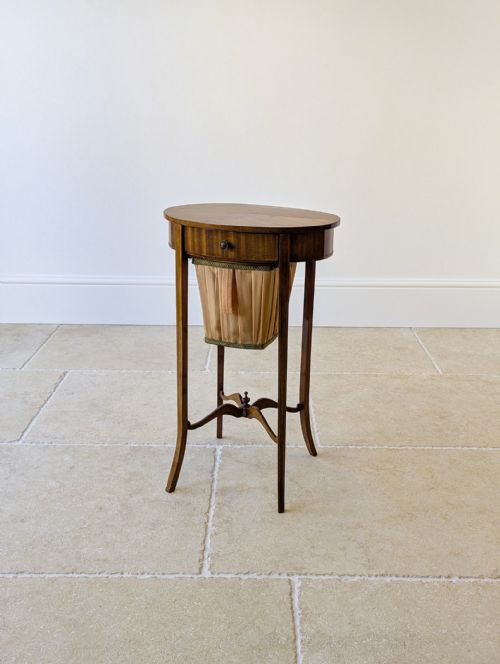
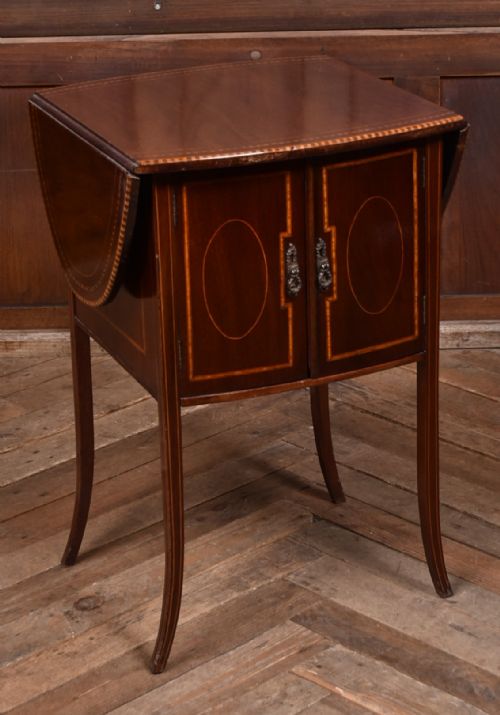


Mahogany Occasional Cabinet
A mahogany occasional cabinet brings warmth and practical surface space to a room, offering adaptable storage built with traditional timber.
Mahogany Occasional Cabinet
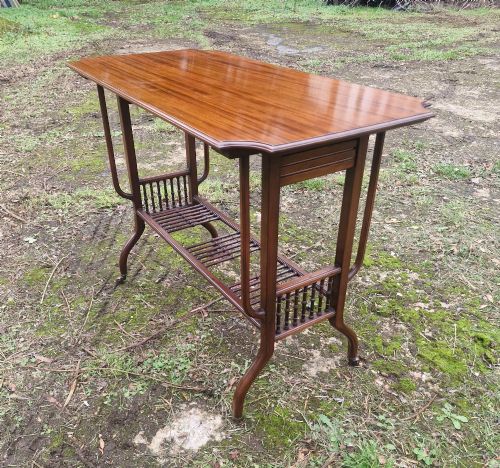
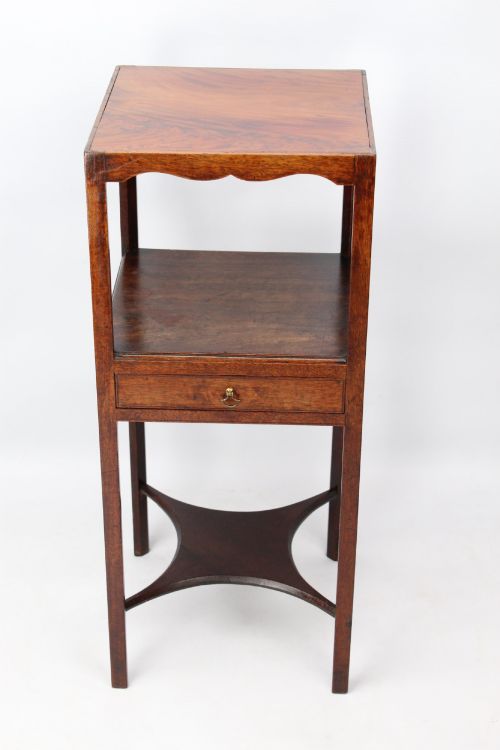
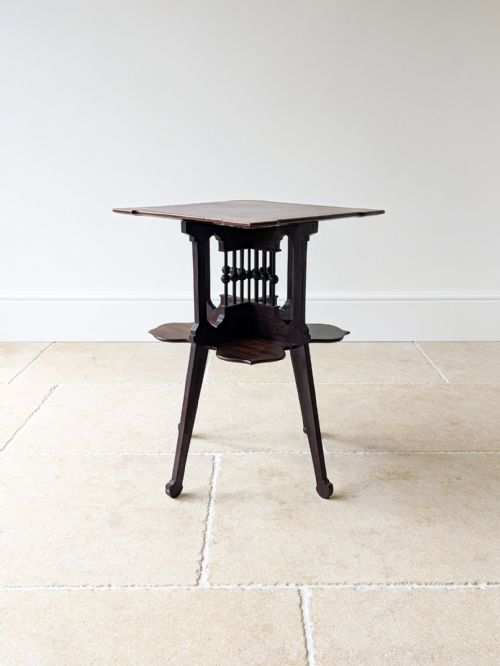
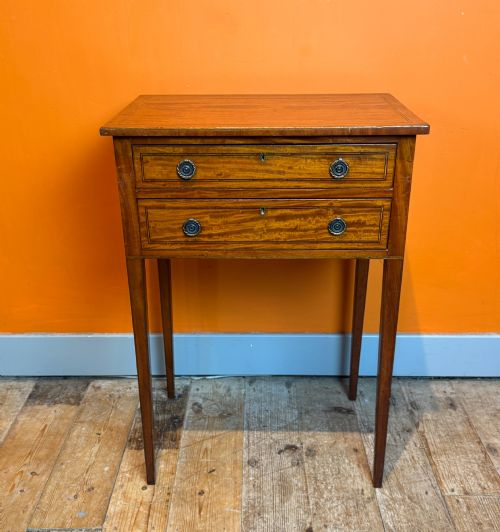
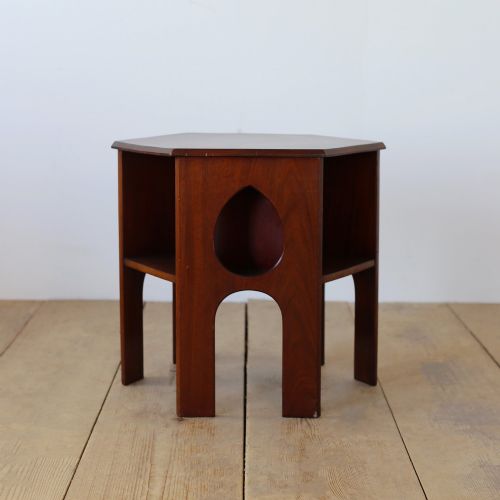
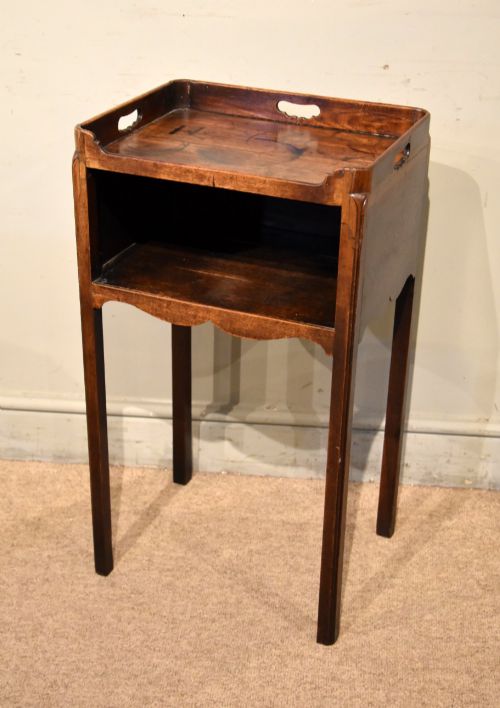
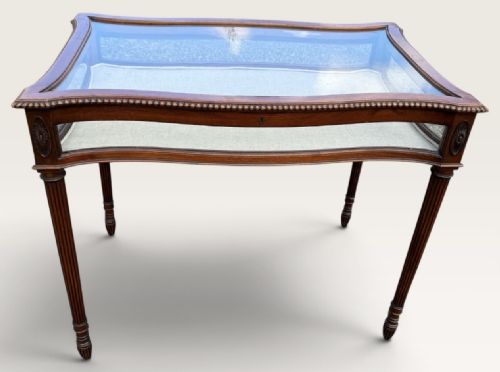
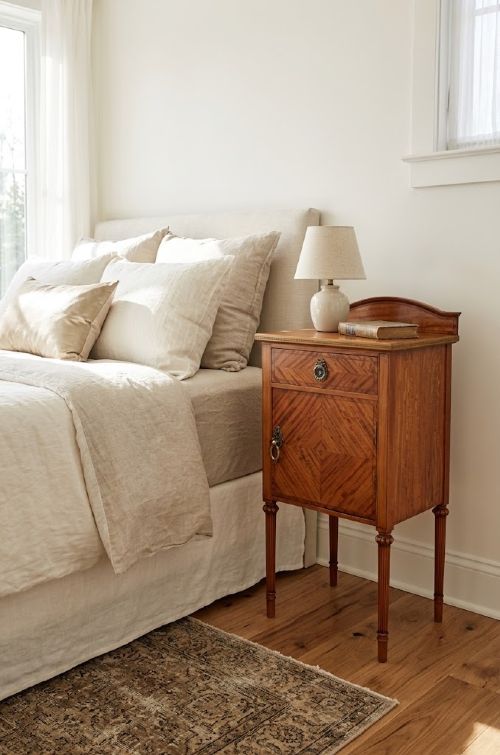
A mahogany occasional cabinet covers a diverse group of smaller freestanding furniture items designed for specific domestic tasks rather than heavy storage. Buyers seeking a mahogany occasional cabinet encounter forms spanning side tables, bedside cupboards, work tables, and display cabinets created across several distinct eras.
The pieces appearing on this page stretch from the Georgian period through the Victorian and Edwardian eras, capturing changing interior tastes. The most frequent examples incline towards Edwardian and Victorian designs, often incorporating useful drawers, drop-leaves, or glazed display sections.
Makers drew on established styles like Sheraton Revival, Gothic Revival, and Arts and Crafts, adapting them for everyday utility in sitting rooms and bedrooms. These items functioned as lowboys, music cabinets, nightstands, and bijouterie tables, reflecting the varied social habits of their original owners.
How they were made
Cabinetmakers relied primarily on solid mahogany and mahogany veneers, prized for their rich grain patterns and durability. Workshops frequently combined this dark timber with contrasting satinwood inlay, brass handles, and fabric linings to elevate the visual appeal of smaller tables and cabinets.
Higher specifications brought in specialist decorative elements such as ormolu mounts, marquetry, and delicate fretwork panels. Structural joinery varied from simple drop-leaf mechanisms to complex multi-tiered frames and glazed display cabinets supported on slender legs.
Mahogany Occasional Cabinet Retail Price Guide 2026
Typical asking prices for mahogany occasional cabinet among the pieces listed under this phrase on Sellingantiques today, from the lower quarter to the upper quarter. They describe what is for sale here now, not the wider market.
Listings span the Georgian, Victorian, and Edwardian periods, showcasing materials like satinwood, ormolu, and glass alongside solid mahogany.
What varies in quality
Distinctions in quality often rest on the precision of the timber selection and the execution of decorative details like stringing and marquetry. Pieces featuring hand-cut inlay and crisply moulded brass fittings generally represent more ambitious workshop output than plain utility furniture.
Structural integrity also separates standard items from finer examples, particularly in moving parts like drop-leaf hinges, drawer runners, and hinged display lids. The thickness and depth of the mahogany veneer, alongside the stability of the frame under daily use, mark the difference in grade.
Liberty and Co·E W Godwin
The Mahogany Occasional Cabinet Glossary
- Bijouterie table
- A glass-topped display table designed to exhibit small decorative objects, medals, or jewellery. These pieces often feature velvet or fabric linings inside the glazed compartment.
- Work table
- A small domestic table fitted with drawers or a fabric bag for sewing and needlework supplies. They frequently date from the Victorian and Edwardian periods.
- Whatnot
- An open set of tiered shelves used for displaying ornaments and books. They appear in mahogany across late nineteenth-century styles.
- Ormolu
- Gilded bronze mounts applied as decorative ornaments to French and English furniture. This technique adds metallic contrast to dark mahogany surfaces.
- Lowboy
- A small kneehole table with drawers, originating in the Georgian period and used as a dressing table or side table.
Mahogany Occasional Cabinet: Frequently Asked Questions
Where should I put an occasional cabinet?
These compact pieces fit easily beside seating in a sitting room, in a hallway, or as a bedside table in a bedroom. Their modest footprint allows them to occupy awkward corners while providing useful surface area.
Because many include drawers or cabinets, they also help corral small items like books, keys, or sewing supplies out of sight.
How do I date a mahogany cabinet?
Dating relies on observing a combination of timber characteristics, construction methods, and stylistic cues present in the design. Georgian pieces tend to show heavier proportions and simpler lines, whereas Edwardian examples often feature lighter frames with satinwood inlay.
Hardware styles, such as drop handles or brass mounts, also offer clues to the decade of manufacture.
Can I use a bijouterie table for storage?
Bijouterie tables are intended primarily for display rather than robust storage, featuring shallow glazed compartments designed for delicate items. Placing heavy objects inside can damage the internal fabric lining or strain the glass top.
They work best for exhibiting small collections where visibility is the main priority.
How do I care for antique mahogany furniture?
Maintain the wood by keeping it away from direct sunlight and sudden temperature shifts that can dry out the timber. Regular dusting with a soft, dry cloth prevents grime accumulation without harming the finish.
Avoid placing damp items directly onto the surface to protect the polish from water rings.