


Mahogany Mirror Chest
Mahogany mirror chests combine deep timber grain with functional glass, offering the practical storage and reflection that period bedrooms require.
Mahogany Mirror Chest
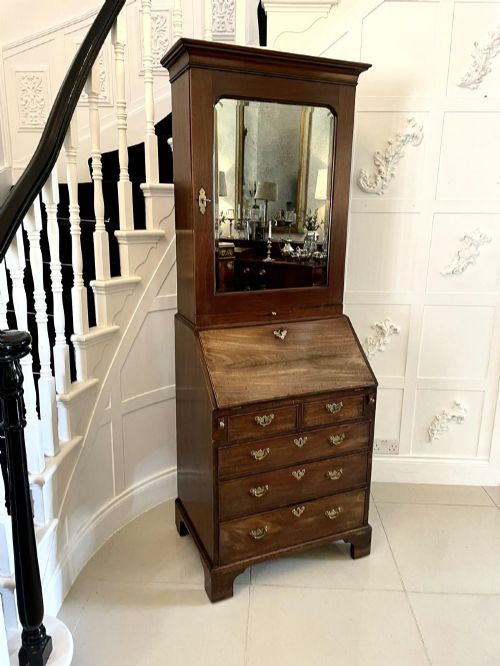
A mahogany mirror chest brings together a timber storage base and an attached glass looking plate, spanning Georgian, Victorian, and Edwardian periods.
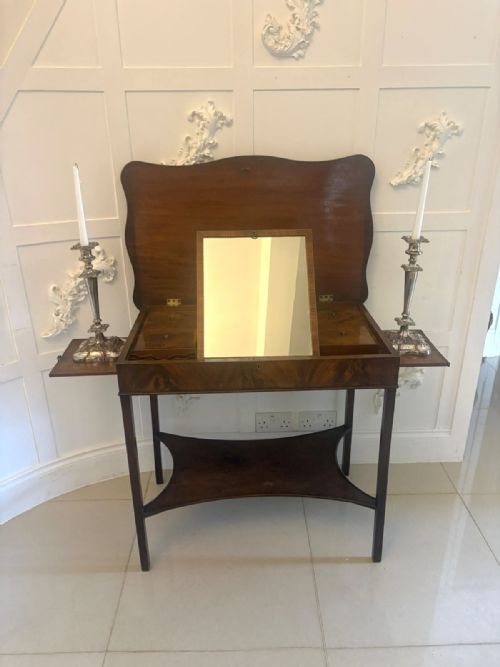
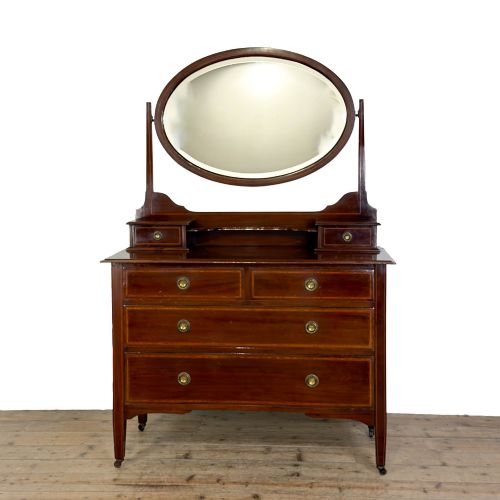
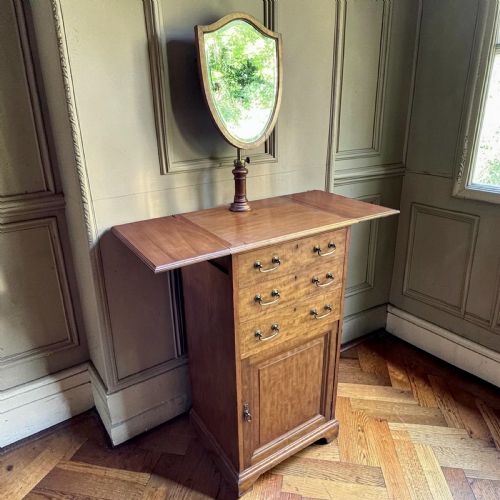
Buyers meet pedestal forms, serpentine fronts, and dressing chests featuring adjustable shield mirrors or tall swinging glass plates.
The evidence shows these pieces originating from British workshops as well as continental makers, utilising the rich figuring of mahogany.
Timber and glass construction
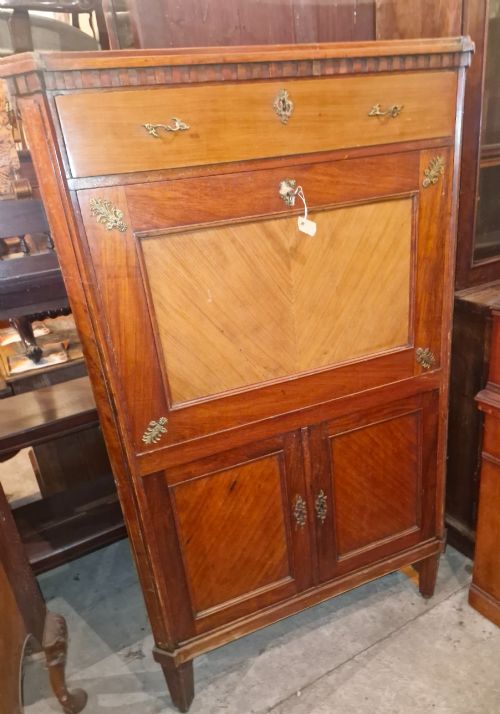
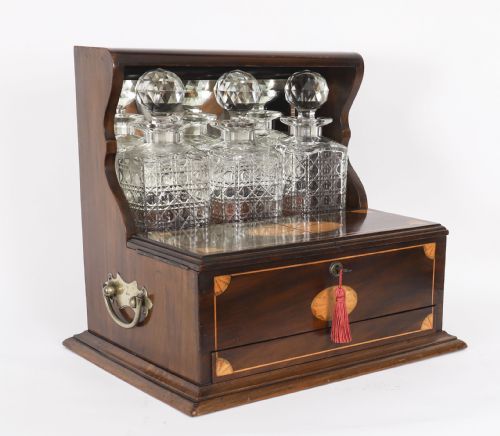
Cabinetmakers constructed the main carcases from solid mahogany, occasionally incorporating satinwood inlay and marquetry for decorative contrast.
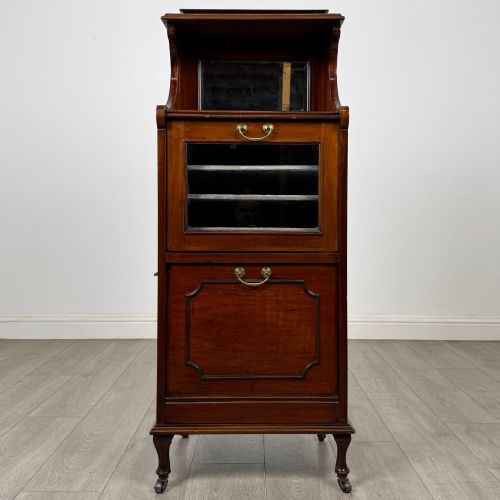
Mirrors utilise clear glass plates set within pivoting wooden frames, often supported by brass hardware or delicate upright arms.
Marble tops appear on specific washstands and dressing tables, paired with brass handles and locks to secure the drawers.
Some gentleman's chests hid their mirrors inside fold-away compartments, allowing a quick shave before anyone knew the glass was there.
Craftsmanship and proportion
The caliber of a piece rests on the selection of the mahogany timber, where well-figured grain and symmetrical drawer fronts distinguish finer examples.
Joinery execution defines the structure, seen in tight dovetailing on drawer boxes and the stability of the mirror supports.
Original brasses and intact mirror glass contribute to the integrity of the piece, separating standard production from exceptional examples.
Edwards & Roberts·Lamb of Manchester
The Mahogany Mirror Chest Glossary
- Shield mirror
- A looking glass shaped like a heraldic shield, typically mounted on pivoting pins atop a dressing chest.
- Marquetry
- Decorative patterns formed by fitting together thin veneers of different woods such as satinwood and mahogany.
- Campaign chest
- Portable furniture built in sections with recessed brass handles, designed for easy dismantling and transport.
- Pedestal dressing table
- A vanity unit featuring banks of drawers on either side of a central kneehole space.
- Serpentine front
- A cabinet facade curving outward in the centre and inward at the sides in a continuous flowing wave.
Mahogany Mirror Chest: Frequently Asked Questions
How do I date a mahogany mirror chest?
Examine the construction methods of the drawers and the style of the mirror supports. Georgian pieces often show hand-cut dovetails and simpler frames, whilst Victorian and Edwardian examples incorporate machine-sawn timber and more elaborate mouldings.
The type of brass hardware and the presence of satinwood inlay also help narrow down the decade of manufacture, aligning with the design preferences recorded in the period evidence.
Can the mirror be removed from the chest?
Most mirrors on these chests are detachable for transport and cleaning. They typically attach via side screws into two upright arms fixed to the main carcase.
Care should be taken when separating the glass assembly from the base to avoid damaging the original mahogany veneer on the mounting blocks.
How do I care for antique mahogany furniture?
Maintain the timber by keeping it away from direct sunlight and steady temperature fluctuations. Apply a traditional beeswax polish sparingly to nourish the grain without building up a sticky residue.
Clean the glass plate with a soft cloth and mild solution, ensuring moisture does not seep behind the silver backing or into the wooden frame.
Were these chests used in bedrooms?
These pieces served primarily as dressing furniture in private chambers, combining clothes storage with a surface and glass for personal grooming. The compartments held brushes, cosmetics, and small accessories.
Some variations incorporated washstand elements with marble tops, reflecting the specific daily routines of Victorian and Edwardian households.