



Mahogany Leg Chaise
These mahogany leg chaise pieces combine structural timber with soft upholstery, offering an inviting day bed for rest and formal display.
Mahogany Leg Chaise
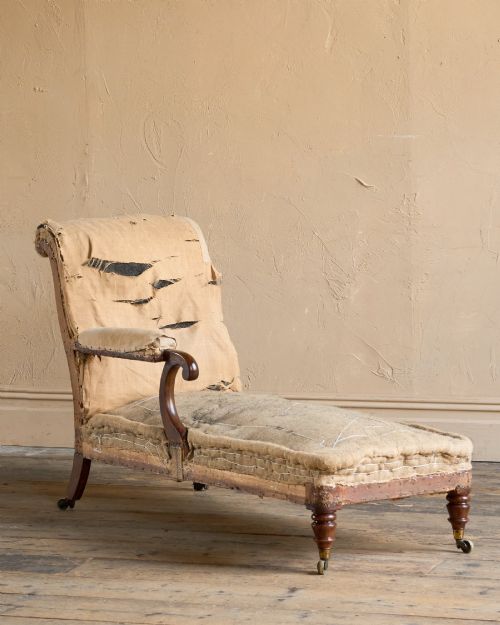
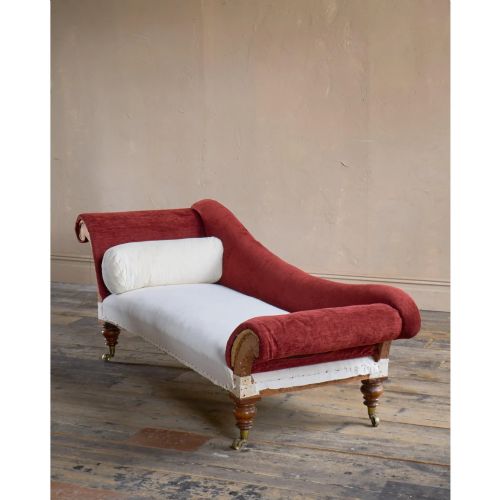
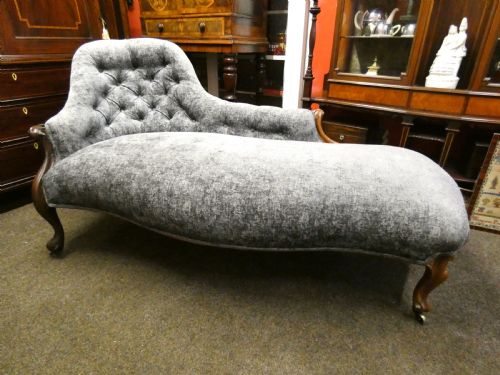
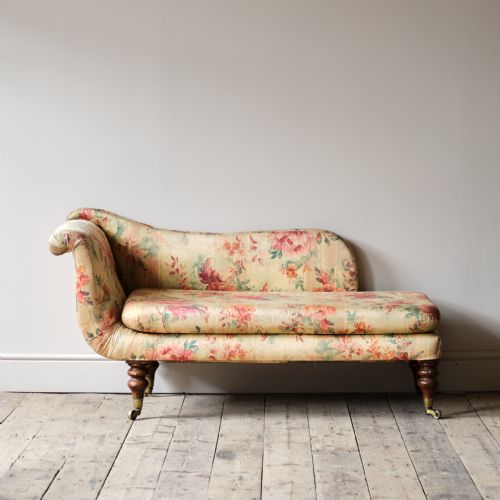
A mahogany leg chaise represents a long seating form designed for reclining, anchored by visible timber supports. When you search for a mahogany leg chaise, you encounter day beds and couches originating primarily from the Victorian and Regency periods.
The pieces on this page span the nineteenth century, including specific dates such as eighteen twenty-five, eighteen fifty, and eighteen sixty. They take the form of chaise longue sofas, twin high back sofas, and reclining day beds.
Most examples rely on a sturdy hardwood frame constructed from mahogany, paired with various upholstery textiles. You will find items attributed to notable nineteenth-century workshops alongside general nineteenth-century pieces.
How they were made
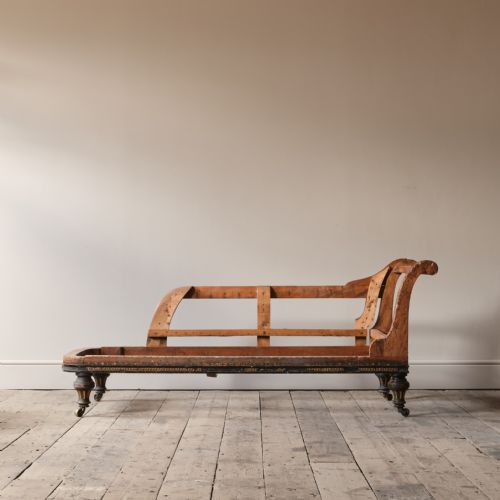
Makers utilised solid mahogany and hardwood for the structural frames, often shaping the timber into decorative showwood elements. Brass details and ebonised wood sometimes appear alongside the primary mahogany elements to accent the design.
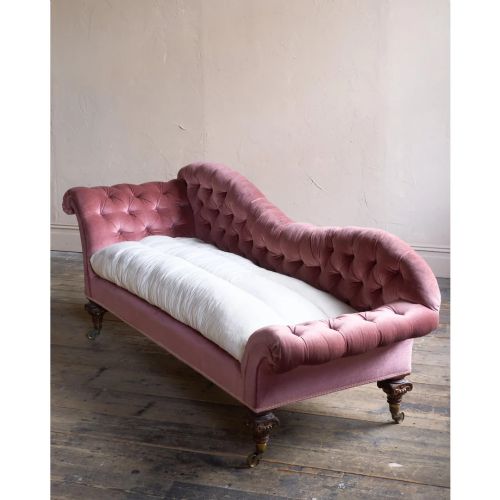
Upholstery techniques varied from traditional button back padding to leather and fabric coverings like velvet, calico, and satin. Structural supports ranged from plain turned legs to carved Ionic column forms.
Mahogany Leg Chaise Retail Price Guide 2026
Typical asking prices for mahogany leg chaise among the pieces listed under this phrase on Sellingantiques today, from the lower quarter to the upper quarter. They describe what is for sale here now, not the wider market.
Listings span the nineteenth century, featuring Victorian and Regency styles built from mahogany, hardwood, brass, velvet, leather, and satin.
What varies in quality
The distinction between standard production and top-tier pieces rests in the crispness of the mahogany carving and the joinery of the frame. Attribution to prominent cabinet makers elevates an example significantly above anonymous workshop output.
The sophistication of the upholstery finish, from simple calico to detailed button-backed leather or velvet, shapes the overall visual authority of the day bed.
Holland & Sons·Gillows·Miles & Edwards·Hampton & Sons
The Mahogany Leg Chaise Glossary
- Mahogany
- A durable reddish-brown tropical hardwood prized for furniture framing and visible showwood surfaces. It takes a fine polish and holds intricate carving well.
- Chaise Longue
- A long seated piece of furniture allowing the occupant to recline with legs supported. The name translates from French as long chair.
- Regency
- A British design period spanning the early nineteenth century. It draws inspiration from classical Greek, Roman, and Egyptian motifs.
- Showwood
- Exposed timber portions of a furniture frame left uncovered by upholstery. It highlights the grain and colour of the underlying hardwood.
- Button Back
- An upholstery method where depressions are created across the padded surface using tightly secured buttons. This technique adds both texture and structural tension to the fabric.
Mahogany Leg Chaise: Frequently Asked Questions
How do I identify a Regency chaise?
Regency examples typically date from the early nineteenth century, around eighteen twenty-five. They often incorporate classical design influences such as Ionic column legs.
Makers of this period focused on clean architectural lines and rich mahogany grain patterns.
What materials are used for upholstery?
Upholstery materials seen across these pieces include velvet, calico, satin, fabric, and brown leather. Many Victorian variations feature traditional button back padding.
The choice of covering ranges from simple foundational calico to finished display textiles.
Where should I place a day bed?
These pieces suit principal reception rooms, studies, or large bedrooms where their length can be accommodated. They function well as statement furniture placed against a wall or within an open floor plan.
Their reclined form invites daytime resting while maintaining a formal nineteenth-century aesthetic.