
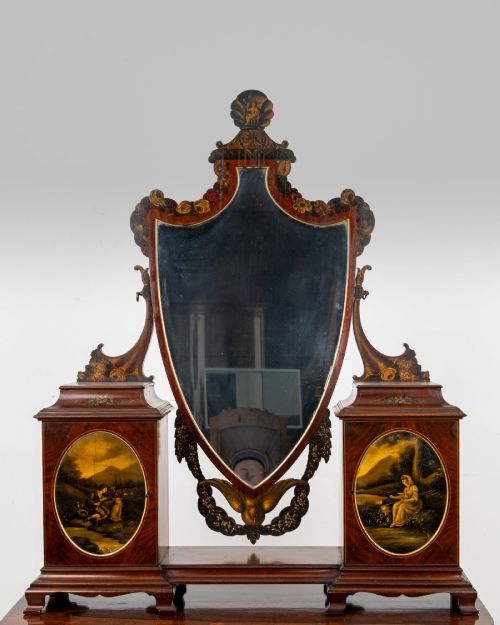
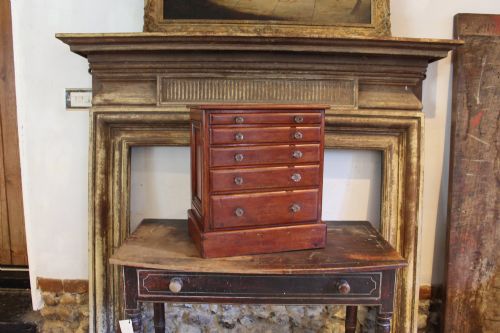


Mahogany Jewellery Cabinet
A mahogany jewellery cabinet offers a practical solution for storing precious items while adding period character to a tabletop or surface.
Mahogany Jewellery Cabinet
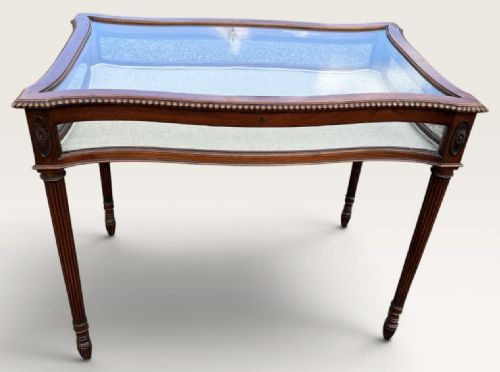
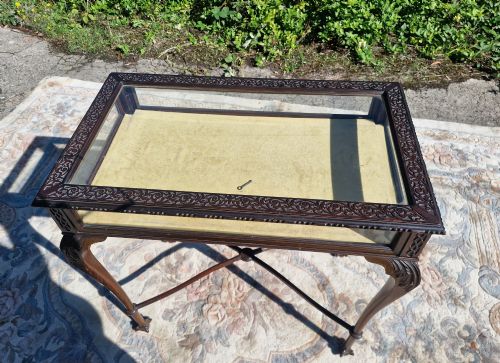
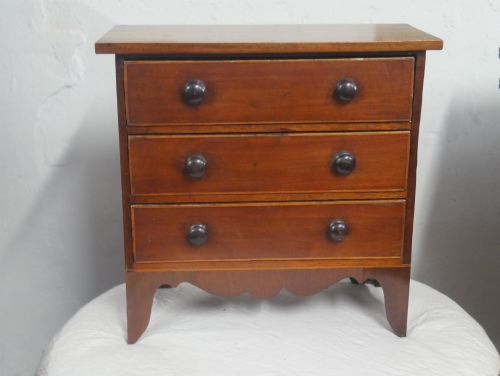
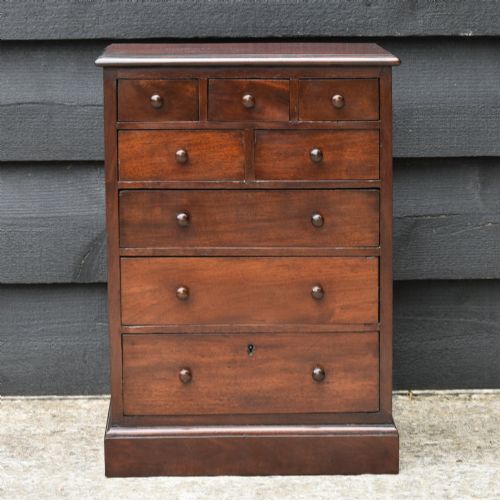
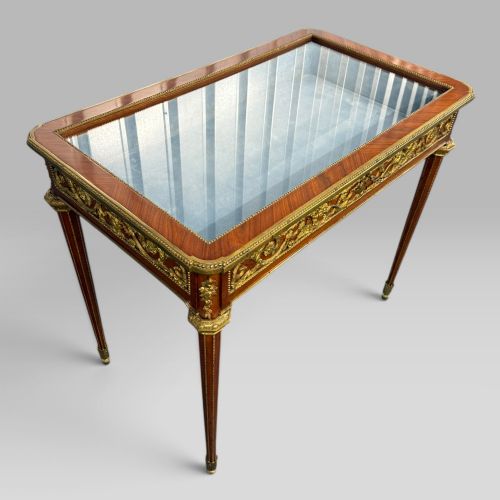
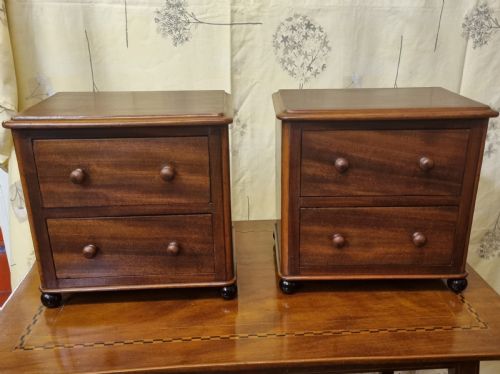
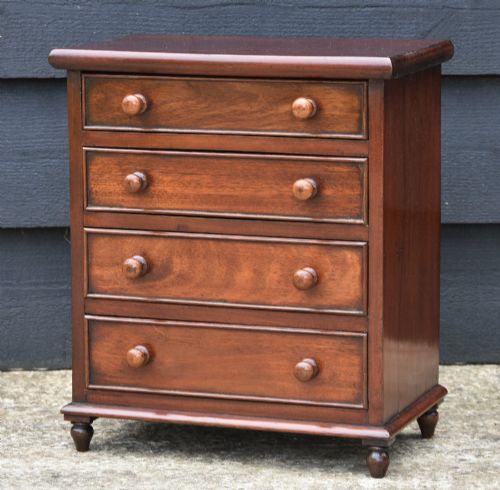
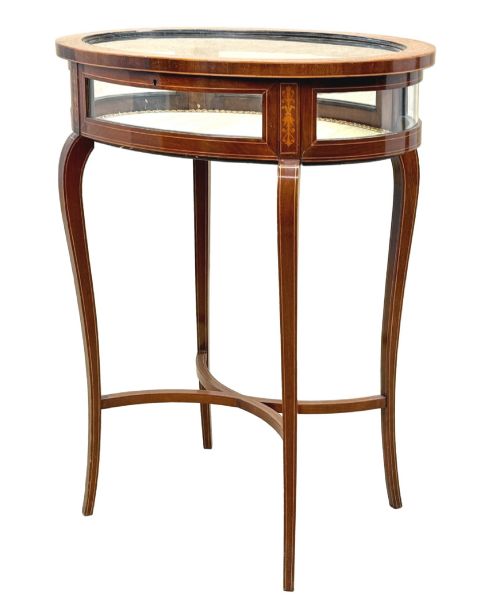
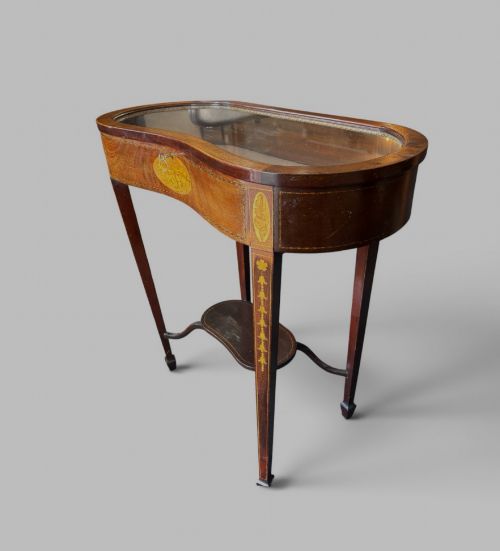
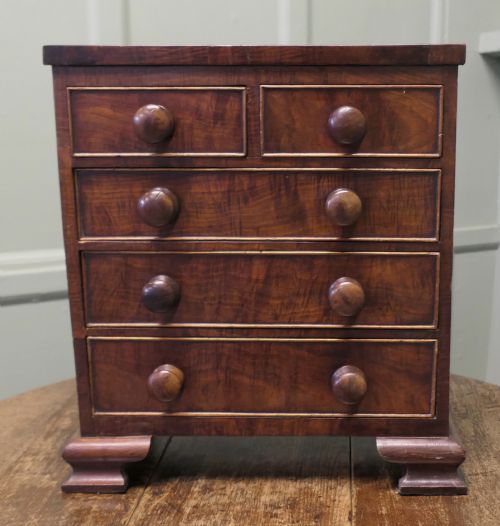
A mahogany jewellery cabinet encompasses miniature chests of drawers, apprentice pieces, and tabletop display cases designed for valuables. These pieces span the Georgian, Victorian, and Edwardian periods, stretching from the late eighteenth century into the twentieth century.
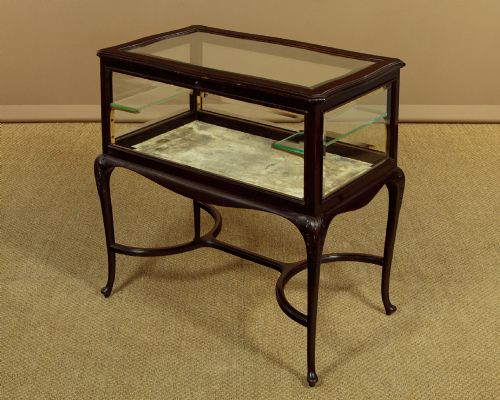
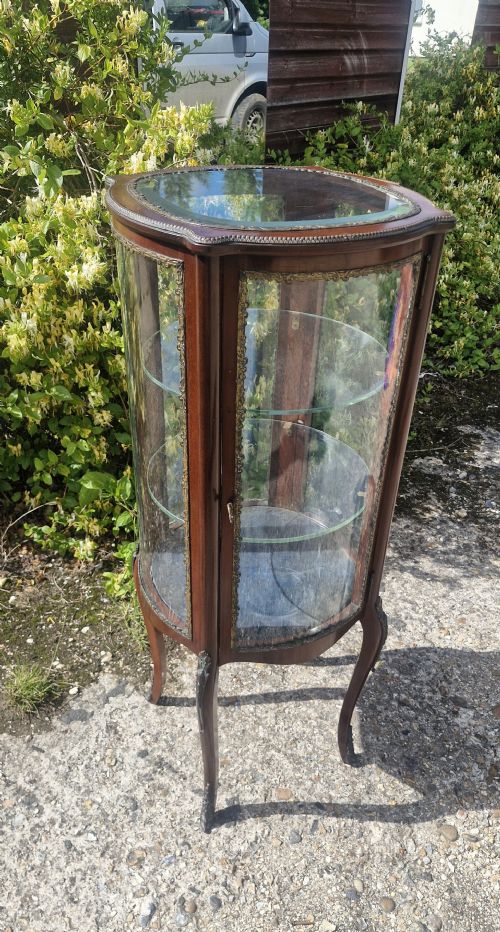
The most common formats met on this page include glass-topped bijouterie tables, multi-drawer collectors chests, and small table cabinets. Makers utilised rich timber and glass panels to protect contents while keeping them visible for selection.
Materials and construction
Makers constructed these cabinets primarily from solid mahogany and mahogany veneers, occasionally incorporating contrasting satinwood inlay. Glass panes formed the tops and doors of display versions, allowing light to enter.
Interiors were typically lined with velvet or fabric to cushion small items. Brass hardware, gilt metal mounts, and ormolu details completed the decoration on refined examples.
Several miniature chests were built small enough to sit on a desk yet possess fully functioning drawers for tiny secrets.
Evaluating craftsmanship
Quality rests in the precision of the drawer joinery, the choice of figured mahogany timber, and the subtlety of any inlay. Superior pieces exhibit balanced proportions and well-fitted glass without distortion.
The refinement of brass mounts and the preservation of original fabric or velvet linings also separate standard utility items from finer cabinetmaker productions.
Edwards and Roberts·François Linke·Gillows
The Mahogany Jewellery Cabinet Glossary
- Bijouterie table
- A glass-topped display table specifically designed for small ornaments, jewels, and curiosities. These pieces often feature hinged lids.
- Apprentice piece
- A small-scale item demonstrating the advanced woodworking skills required for a craftsman to complete their training. They mirror full-sized furniture in detail.
- Vitrine
- A glass display cabinet used for protecting and exhibiting small collections. They appear in tabletop formats and pedestal variants.
- Bowfront
- A convex curved cabinet front popular in Georgian and Victorian chest designs. This contour softens the rectangular outline of the furniture.
Mahogany Jewellery Cabinet: Frequently Asked Questions
What are mahogany jewellery cabinets used for?
These cabinets serve to store and display rings, brooches, medals, and small trinkets safely on tables or counters.
Collectors historically used multi-drawer variants to organise coins and watches away from dust and handling.
How do I date a mahogany jewellery cabinet?
Dating relies on architectural styles, construction methods, and prevailing decorative motifs found across different decades.
Georgian and Regency items display restrained classical lines, whereas Edwardian pieces frequently feature satinwood inlay and gilt metal mounts.
What is an apprentice piece?
An apprentice piece is a miniature furniture model created by a woodworker learning their trade.
These small chests and cabinets prove the maker mastered complex joinery before attempting full-scale household furniture.
Where should I place a table cabinet?
Table cabinets suit placement on dressers, sideboards, or dedicated display surfaces where lighting can reach glass panels.
Keeping them out of direct sunlight prevents the mahogany timber and interior velvet linings from fading over time.